ONE WORK OF ART: Jean-Pierre Jouffroy

Jean-Pierre Jouffroy- Untitled Modernist Landscape- Matthews Gallery Blog
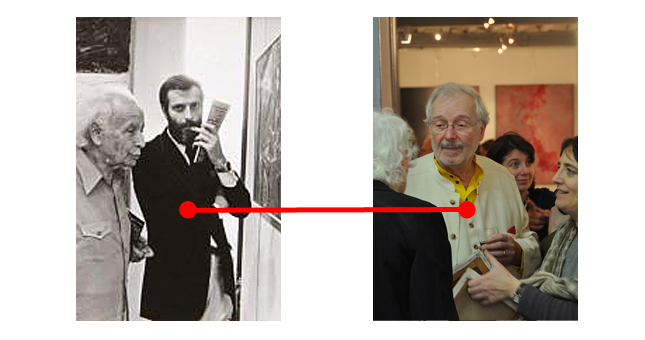
Two photographs.

Jean-Pierre Jouffroy - Matthews Gallery BlogOne shows a young artist with a determined look in his eyes, and the other an older gentleman at the opening of an 80-year retrospective of his artwork. What happened in the span between the shots?

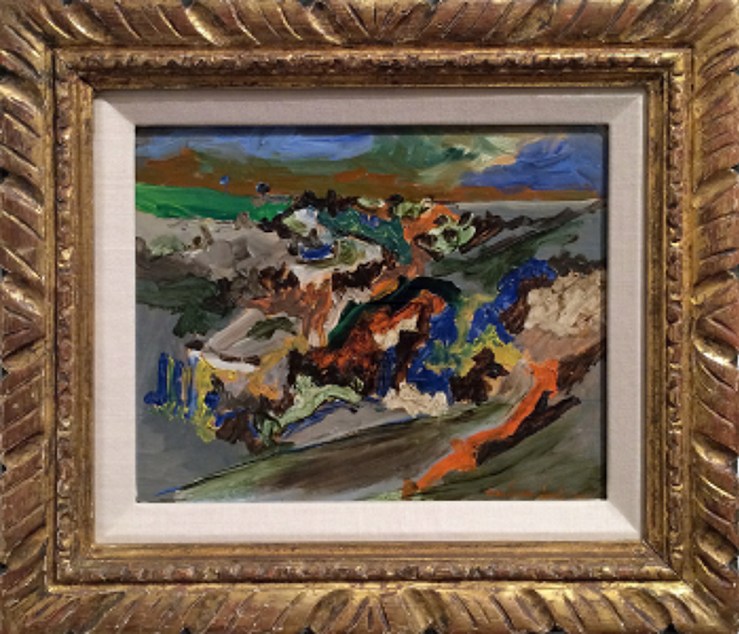
Sometimes art by Picasso or Gauguin finds its way to our gallery, but other times we get our hands on an exquisite work that bears a name we’ve never heard before. Such was the case with this lovely 1940’s painting by a man named Jean-Pierre Jouffroy, which reminded us of the artwork of James Brooks and other lyrical abstractionists.

Thank goodness for Google. An image search of the artist’s name brought up these two photos, and some French-to-English translating revealed the fascinating story behind them.

Jean-Pierre Jouffroy was born in Paris in 1933. When he was 11 years old, he saw the work of Wassily Kandinsky and Nicolas de Staël in a gallery and fell in love with modernism. “As a young boy, I dreamed of covering the surface of the earth in paint,” Jouffroy recalls.

Early in his career, the artist created purely abstract work that was heavily influenced by Staël. Then, in the late 1950’s, Jouffroy had an artistic epiphany.

“An abstract painting always shows something, like it or not,” he explains. “The painting is the image of an internal battle. This fight is itself a metaphor for our relationships in the social sphere.” Based on this realization, Jouffroy decided to incorporate the visual vocabulary of abstraction into representational work.

The shift sent the artist on a journey that traced the innovations of modernists like Picasso and Cezanne in reverse. Just like those artists, Jouffroy was experimenting with abstracted figures and landscapes, but he was coming from a wholly nonrepresentational world that his predecessors never explored. In tributes to Cezanne, Gauguin, Manet and Braque, he brought great artists of the past into harmony with a movement they all, in one way or another, helped to inspire.

Jouffroy’s new explorations caught the eye of the art world, and he exhibited at Paris’ Museum of Modern Art, the Art Institute of Chicago and other renowned institutions. Though he was focused on figurative work, he was often associated with lyrical abstraction (as we suspected) because of his background, his loose brushwork and his inventive use of color.

Our Jouffroy painting represents an interesting phase in the artist’s evolution. Though it predates his representational work, it has undeniable elements of landscape. Perhaps it’s the first sign of the transformation that would send Jouffroy’s career in a spectacular new direction. You can see echoes of the work’s palette and brushwork throughout the artist’s retrospective at the Place du Colonel Fabien that opened in November.

Check out Jean-Pierre Jouffroy’s “Untitled (Modernist Landscape)” on our website, and connect with us on Facebook and Twitter for more gallery news.
Top 10 Art Books of 2012, Part 2

When the art and publishing worlds work in harmony, imagery merges with typography and innovative formats give us unexpected views of famous works. Through images and prose, our final five picks for 2012’s best art books gave us new eyes: 

slide_268476_1854924_free

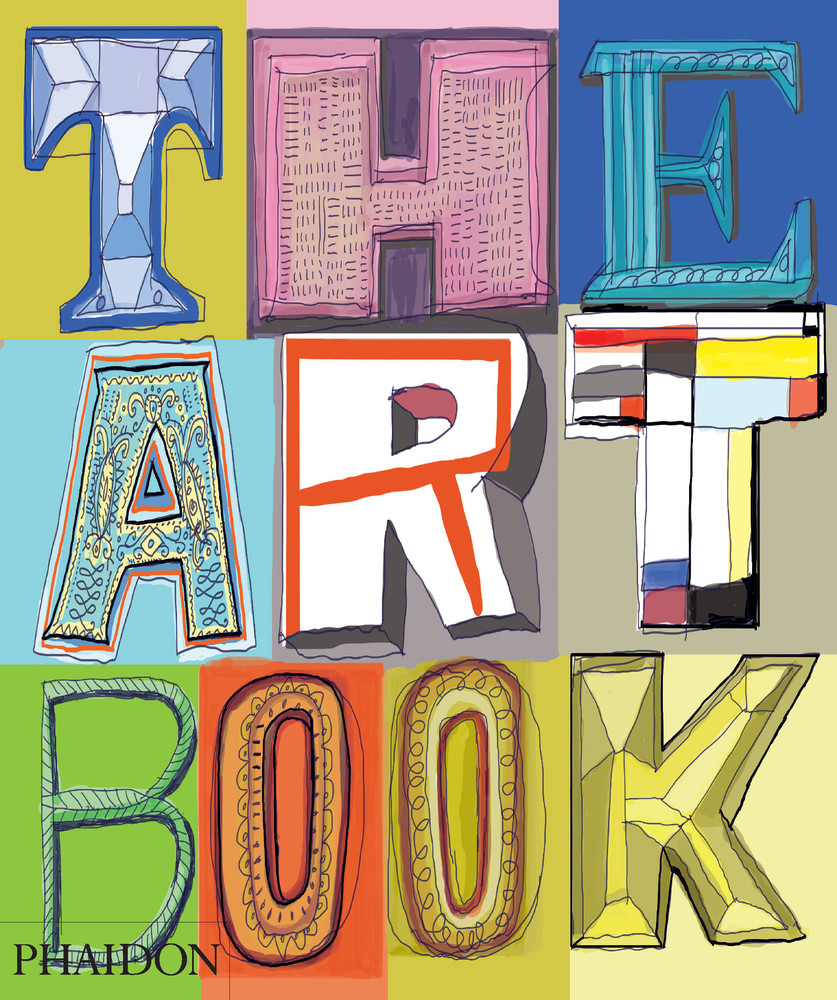
The Art Book, Phaidon- First published by Phaidon in 1994, The Art Book is as intriguingly tangled as ever in its 2012 edition. It’s an art history book made for creatives, its artists presented in alphabetical rather than chronological order. Seventy new artists join the pantheon, encouraging the crackling connections that only The Art Book could provoke. Where else would you find Duccio next to Duchamp or Manet in dialogue with Mangold?

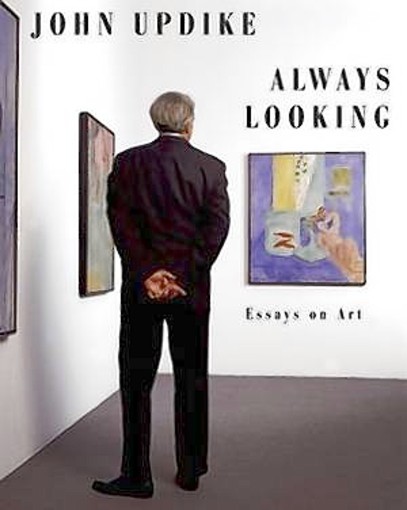
cover of "always looking"

Always Looking: Essays on Art, John Updike- John Updike wasn’t an art critic, but the third, posthumous volume in his Looking series guides us through the crowds at notable exhibitions and along the arc of art history with signature elegance. The collection starts with Updike’s 2008 lecture on American art “The Clarity of Things” and includes 14 essays Updike wrote for The New York Review of Books and other publications.

9780375424601_p0_v1_s260x420

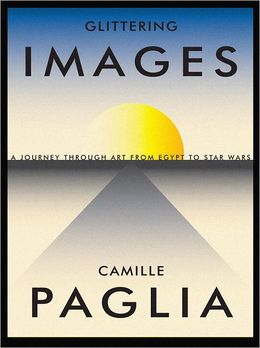
Glittering Images: A Journey Through Art from Egypt to Star Wars, Camille Paglia- Paglia kicks off Glittering Images by declaring her intent to help the masses, hypnotized by technology and riddled daily with thousands of disconnected images, understand and appreciate art’s compelling historical sweep. You can’t trust the inflammatory culture warrior for a minute, but that’s what makes the proceedings so fun. Paglia picks 29 of her favorite artworks, from Egyptian funerary imagery to George Lucas’ “Revenge of the Sith”, and presents them as pinnacles of humanity’s artistic legacy. Her selections are mostly confined to the West and heavily weighted to the 20th century, but her arguments are entertaining whether you agree with them or not.

Screen Shot 2013-01-16 at 3.00.40 PM

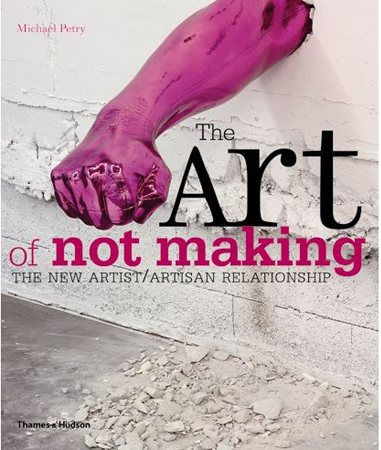
The Art of Not Making: The New Artist/Artisan Relationship, Michael Petry- Jeff Koons, Damien Hirst, Murakami Takashi, Ai WeiWei. They’re some of the biggest names in contemporary art, but could you call them artists? Petry examines the Renaissance-old dependence between art and craft—and the questions of authorship that it raises—with images from 115 contemporary artists who don’t always have a hand in creating their work. The book’s five chapters are intriguingly organized by material, a nod to the industries that brought these objects into existence.

100-ideas-that-changed-art

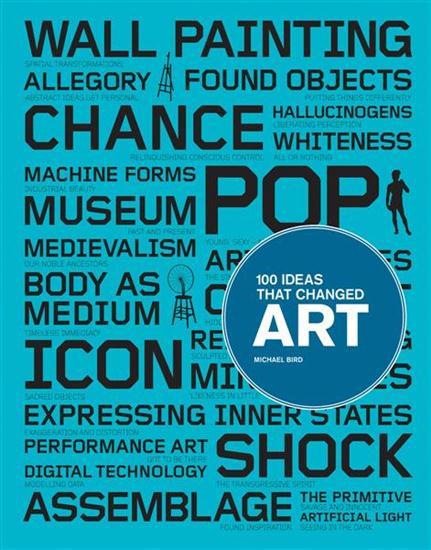
100 Ideas that Changed Art, Michael Bird- Art historian and broadcaster Bird is quick to caution that his numbered list of artistic turning points, from “narrative” (#7) to “street art” (#94), is anything but concrete in its essential properties. “No sooner has an idea changed art that art reformulates that idea, allowing it to recognize itself,” he writes. This collection of 500-word essays is particularly fascinating for the playful lines it draws between modern and contemporary art and works of old. Bird doesn’t shy away from party tricks like comparing Byzantine icons with Andy Warhol’s Marilyn Monroe images, and the results are charming for dilettantes and art experts alike.

Browse our first five selections here, and check out our Twitter and Facebook feeds for more insight.