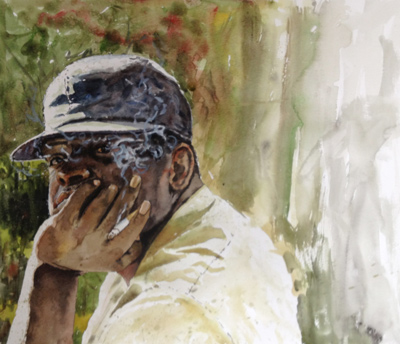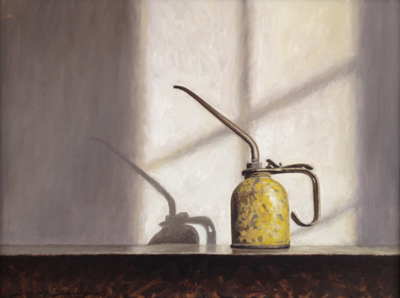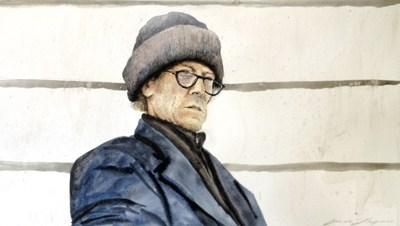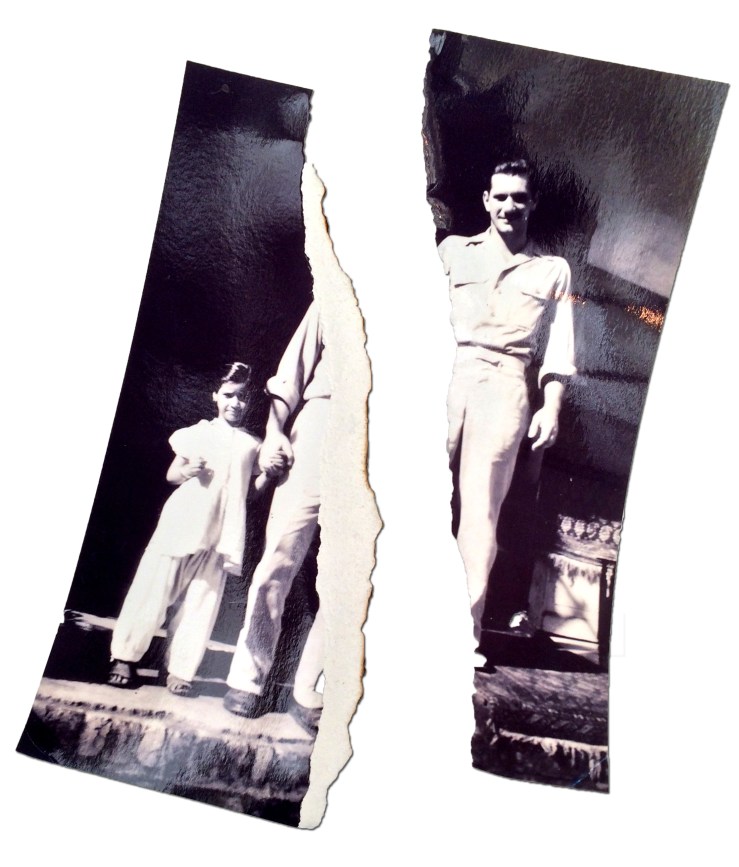
FAMILIAR STRANGERS: Almost Lost

Familiar Strangers Found Photography Show- Matthews Gallery Blog

Editor’s Note: No original photographs were harmed in the making of this blog

The messages were all the same. “Why do found photographs hold allure for you?” we wrote to members of Flickr’s robust vernacular photography community. “What is it about anonymous photographers and their subjects that makes collecting these artworks special or important?” 

As we explained in our last blog post, we’ve been wearing many different hats as we prepare for the May 16 opening of FAMILIAR STRANGERS: Vernacular Photography. Judging by the diverse answers we received from this query, it seems longtime found photography fans follow a similar process.

“At the time they were taken, they meant something to the photographer,” writes Gary Moyer, who runs a Flickr Group called Found Photos. “It’s a shame to think they can’t live on in this digital age.” But although part of Moyer’s mission is to bring this ephemera to the virtual realm, he’s also charmed by the objects themselves. “The photos are real, something to hold in your hand,” he concludes. 

For John Van Noate, administrator of several vernacular photography groups, it’s more about the immediacy of the image. “They provide a slice of life unfiltered, unmediated,” he writes. “Life in the raw, so to speak.”

Dave Bass‘ interest in vernacular photography started with a childhood fascination for taking snapshots. “I still recall the anxiety felt when retrieving a processed roll from the drugstore and opening the package to discover my treasures,” he recalls. Hunting down “orphan” photos seemed like a natural extension of his passion, and over years of collecting he’s learned a lot about human nature from the pictures he’s found.

I truly believe that such photographs are authentic cultural artifacts that portray who we as humans were, who we have become, and where we will likely go,” Bass writes. He uses Flickr group Vernacular Photo to connect with like-minded folks across the world. 

All of these intrepid collectors’ answers did have one thing in common: a sense of loss, and a desire to subvert it. As Moyer puts it, “Each [photograph] represents a moment that is gone forever.” In a way, these collections preserve memories that would otherwise have vanished long ago. 

On that hopeful note, we leave you with an excerpt from Paul Jackson‘s correspondence. The UK resident runs the Flickr group Found Photographs, and has a lot to say about vernacular photos and the power of the online community to uncover their secrets. It’s enough to make you believe that nothing is lost forever. Attend our FAMILIAR STRANGERS exhibition, opening May 16 from 5-7 pm, to untangle more mysteries!

Familiar Strangers Found Photography Show- Matthews Gallery Blog

From Paul Jackson:

I went to art school here in the UK in the 1970s and my interest in vernacular photographs stems from then. In those days you could often buy old postcards and snapshots in charity shops for virtually nothing. Often just arranged in old shoe boxes. You can rarely do that now as these things have become very collectable.

I think it is a shame when dealers break up old photograph albums as all the clues that would help place these images in context get wiped away. You may be interested in some subsidiary groups we run on Flickr. One is called “What’s That Picture” where we invite people to post pre-1945 images that they want help identifying. Sometimes this is a tall order but the Flickr community acts a bit like a hive mind and we have had some astonishing successes. A lot of these can be found in another group “The Astonishing Power of Flickr“. Here many images that have been successfully identified have been posted and some other extraordinary events such as people recognising themselves or other serendipitous events have occurred. 

You ask what the allure is for me. Well, there is something awfully poignant about old snap shots/vernacular photographs. The lives of strangers’ births deaths marriages, love, hearth and home..all life is there and with the knowledge that all that life has probably by now slipped away. These things end up in sales almost always through a death and the death of someone who either has no remaining family, or a family that cannot or will not preserve these fragile family histories. It is a very sobering thought.

I am at a period in my life when I am beginning to realise that even my own family photographs and the ones of my parents and grandparents are going to be vulnerable to be “lost” when I die and it does make you dwell on the ephemeral nature of life, the impermanence of the structures we build around ourselves and how easily it can fade away.

One of my favourite quotes is the famous one in Blade Runner when Roy Batty the replicant is dying:

“I’ve… seen things you people wouldn’t believe… Attack ships on fire off the shoulder of Orion. I watched c-beams glitter in the dark near the Tannhäuser Gate. All those. moments will be lost in time, like tears in rain. Time… to die…”

Looking at so many old and found photographs I often think that “I’ve seen things you people wouldn’t believe” the person behind the camera has seen these things, lived that life..you know, we can sometimes almost taste it.
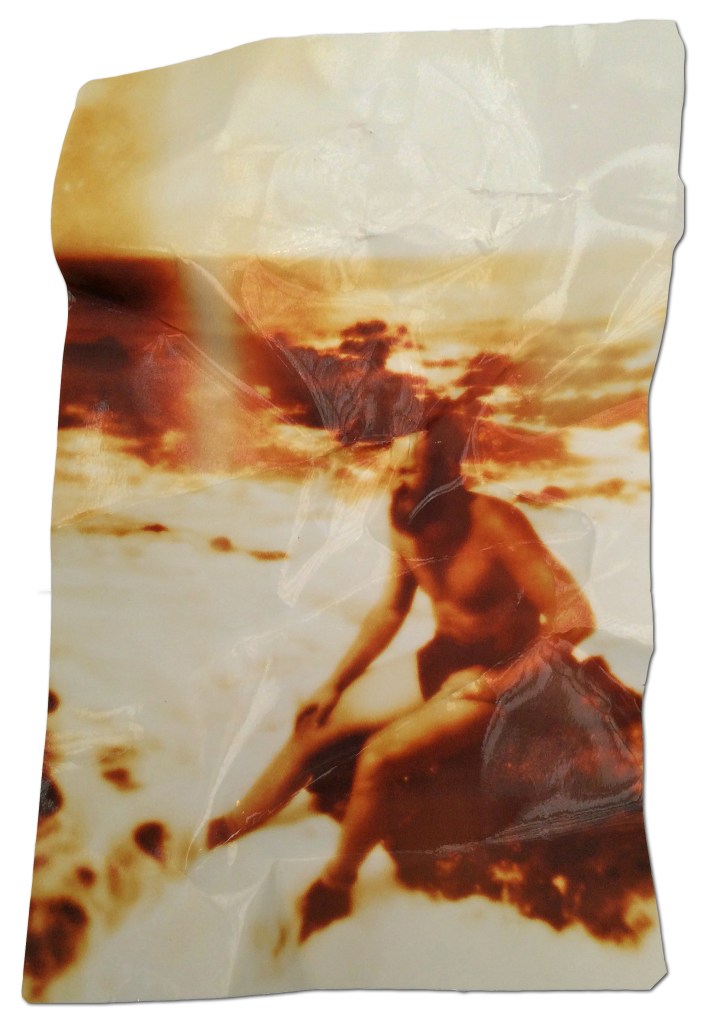
 

Familiar Strangers Found Photography Show- Matthews Gallery Show

FAMILIAR STRANGERS: Be a Voyeur, Detective, Surrealist, Humanist!

Found Photograph- Familiar Strangers Show- Matthews Gallery

  Untitled, Unknown

“A photograph is usually looked at—seldom looked into,” said Ansel Adams. When it comes to the pictures in our upcoming show, there’s no other option but to dig a little deeper.

FAMILIAR STRANGERS: Vernacular Photography, opening Friday, May 16, is not your typical Matthews Gallery show. The artists who created our collection of found photographs never got the recognition that Picasso, Toulouse-Lautrec or Renoir did, but there’s no denying their aesthetic sensibilities.

That’s what has kept us digging through estate sales, thrift shops, antique stores and attics for years. We’ve amassed quite the collection of vernacular photographs, also known as “found” or “orphan” photos, and we’re not alone in our scavenging habits. Our friends on social media understand the great allure of the hunt.

Looking at so many old and found photographs I often think that, ‘I’ve seen things you people wouldn’t believe,'” writes Paul Jackson, who maintains the Flickr group Found Photographs.  “The person behind the camera has seen these things, lived that life..you know, we can sometimes almost taste it.” We asked several other photo finders what they love about the pursuit, and they all had equally passionate answers.

Vernacular photography presents unique challenges to the viewer, asking us to shift between different roles to grasp what we’re seeing. Our first impulse is often voyeuristic. We can’t resist a peek at someone’s intimate moment, and we swiftly draw conclusions about what’s going on. In the image above a baton girl gawks open-mouthed at a band boy, but he looks resolutely away. Is this a tale of unrequited love?

Society often slaps us on the wrist for our voyeuristic tendencies. In his brilliant essay on found photography Dr. Barry Mauer of the University of Central Florida says this instinct is something we should indulge.

“At first sight, most of these pictures are hilarious or tragic or both,” writes Mauer. “Voyeurism allows me to experience these reactions from a comfortable distance.” However, Mauer cautions against stopping there. Voyeurism often comes hand-in-hand with judgment and categorization. Stereotyping these mysterious individuals cuts us off from a rich world of visual mysteries. Time to pull out the magnifying glass.

Found Photograph- Familiar Strangers Show- Matthews Gallery


Untitled, Unknown

If we act as detectives, this simple portrait holds a lot of hints about the bicyclist and her photographer. Did you notice the bandages on her knee and arm? If those are recent wounds, perhaps she’s just learning how to ride. It’s difficult to tie a forearm bandage on your own. Maybe the person behind the camera is her teacher and medic? On the other hand, the bags on the handlebars hint at a different adventure. One of them looks like a canteen. Could the other hold snacks for a picnic?

Teasing out these details is invigorating. To take it one step further, note the composition of the photograph. The front wheel is cut off and part of the path is visible behind the girl. This perspective, when combined with the subject’s bent posture and excited face, lends the photo a sense of forward movement. Our mysterious photographer has imbued a picture of a static bike with surprising dynamism. Was that his or her intention?

Found Photograph- Familiar Strangers Show- Matthews Gallery

Untitled, Unknown

Of course, in the end we’ll probably never know if our inferences are correct. Who better to help us surmount our fear of the unknown than the surrealists? André Breton and his friends were inspired rather than daunted by impenetrable mysteries. They sought out fragments of culture, watching films from between their fingers to try to catch discreet details and writing stories based on dreams they had about real experiences.

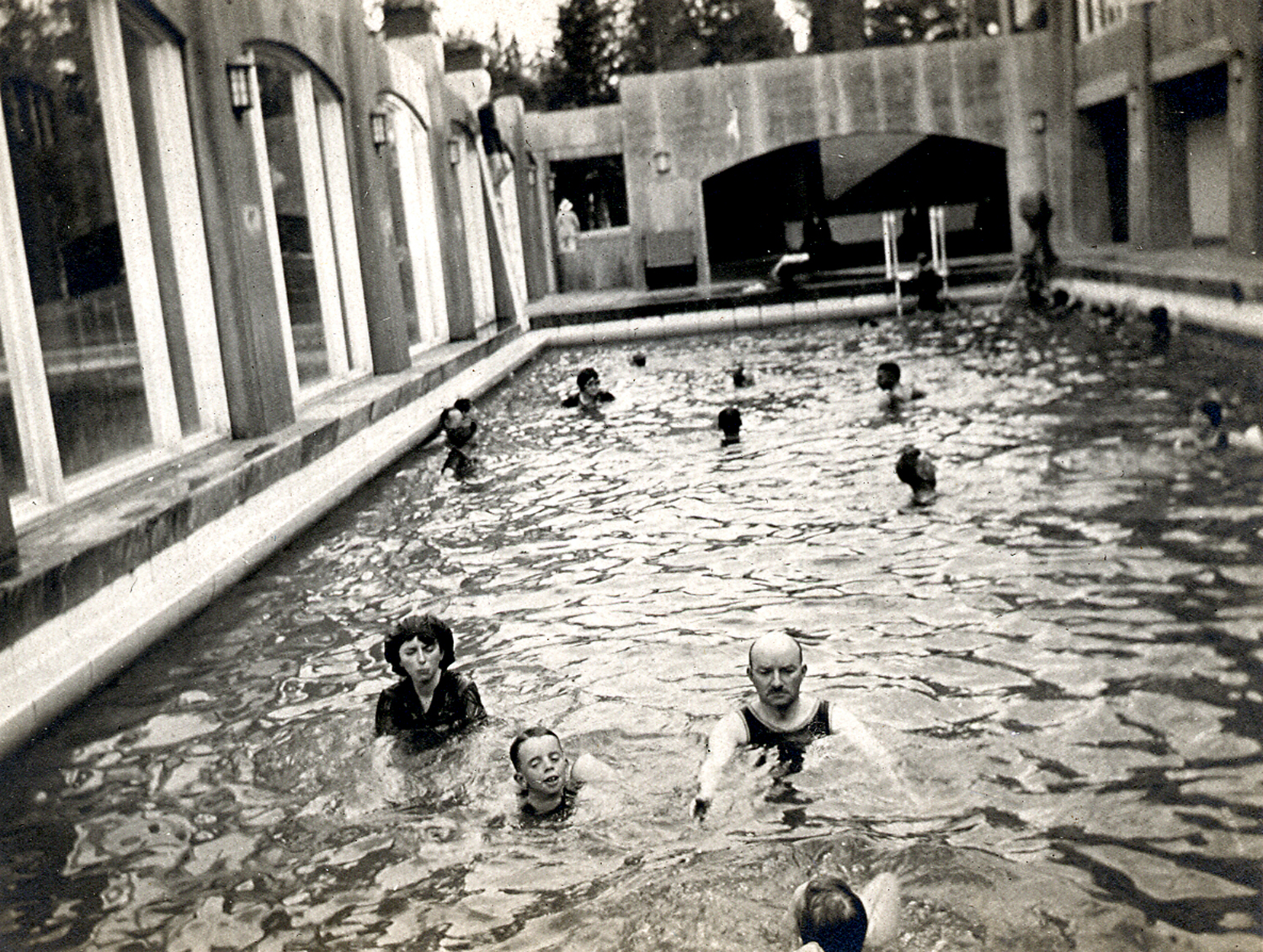
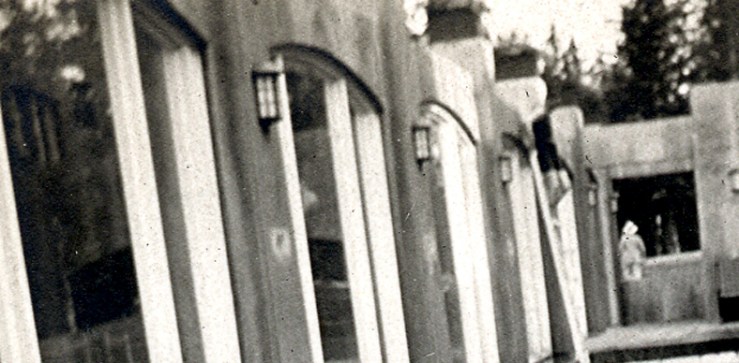
Both techniques allowed them to focus on details they otherwise would’ve ignored. In the photo above, our interest in the group in the foreground distracts from the odd figure standing in the far background. Cropping the photo brings up a whole array of new questions.

Found Photograph Detail- Familiar Strangers Show- Matthews Gallery

Detail of previous photo

In a broader context the entire photo is a fragment. The man in the foreground’s stern expression stands alone, isolated from what happened before or after. Perhaps he cracked a smile a moment later, but this short glimpse of his day at the pool has a foreboding air to it.

“The surrealists used fragmentation as a means to knowledge, discovering significance in the fragment that had been concealed in the contextualized whole,” Mauer writes. It’s not hard to trace the progression of this thinking to Marcel Duchamp’s use of found objects, or to the Dada artists’ repurposing of vernacular photos in collages (more on all of that in an upcoming blog post).

In the end analyzing and relating to the “characters” in these photographs helps develop our skills in another field: humanism. It’s amazing how connected we can feel to a person we’ll never meet, and how powerful our feelings of empathy and sympathy can be when we exercise them. Look long enough, and you’ll start to imagine that these familiar strangers are looking right back.

Step into the shoes of a voyeur, detective, surrealist and humanist at FAMILIAR STRANGERS: Vernacular Photography, opening Friday, May 16. Also, make sure to check out our fascinating interview with four found photography collectors and connect with us on Facebook, Twitter and Tumblr for more gallery news!

CURATE THIS, CURATE THAT: Place your votes!

Collectors-Choice-Social1

The selection process for our social media-curated show COLLECTOR’S CHOICE is underway, and fans on Facebook, Instagram, TwitterTumblr and other networks have placed their votes. It’s time for some tie breakers on WordPress! Check out the match-ups below and vote for your favorites in the comments section. From January 31 to February 5, we’ll unveil your selections in the gallery and online.

JAMIE CHASE

Jamie Chase- Collector's Choice- Matthews Gallery blog

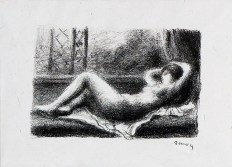
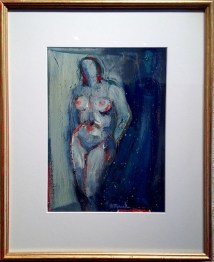
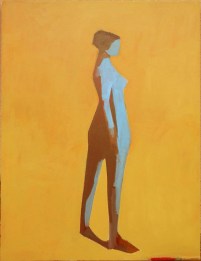
ROUND 1! Jamie Chase is known for his figurative work like image #1, and also his abstracted landscapes like #2. Which one should appear in the show? Take the curatorial reins!

WILLIAM LUMPKINS

William Lumpkins- Collector's Choice Show- Matthews Gallery Blog

Do you prefer William Lumpkins‘ careful watercolor brushstrokes (#1) or experimental wild felt-tip pen marks (#2)? Read more about the influential Santa Fe modernist here before you decide…

KATE RIVERS

Kate Rivers- Collector's Choice Show- Matthews Gallery

Curate this! Should we feature a Kate Rivers book collage in the show, or one of her nests? Read about her mixed media work in this blog post, and vote for #1 or #2 in the comments.

HANNAH HOLLIDAY STEWART

Hannah Holliday Stewart- Collector's Choice- Matthews Gallery Blog

These tall, spindly bronzes might be very different, but they’re both by powerhouse feminist sculptor Hannah Holliday Stewart. Figurative or abstract? Curate that!

PAUL GAUGUIN

Paul-Gauguin-Collectors-Choice

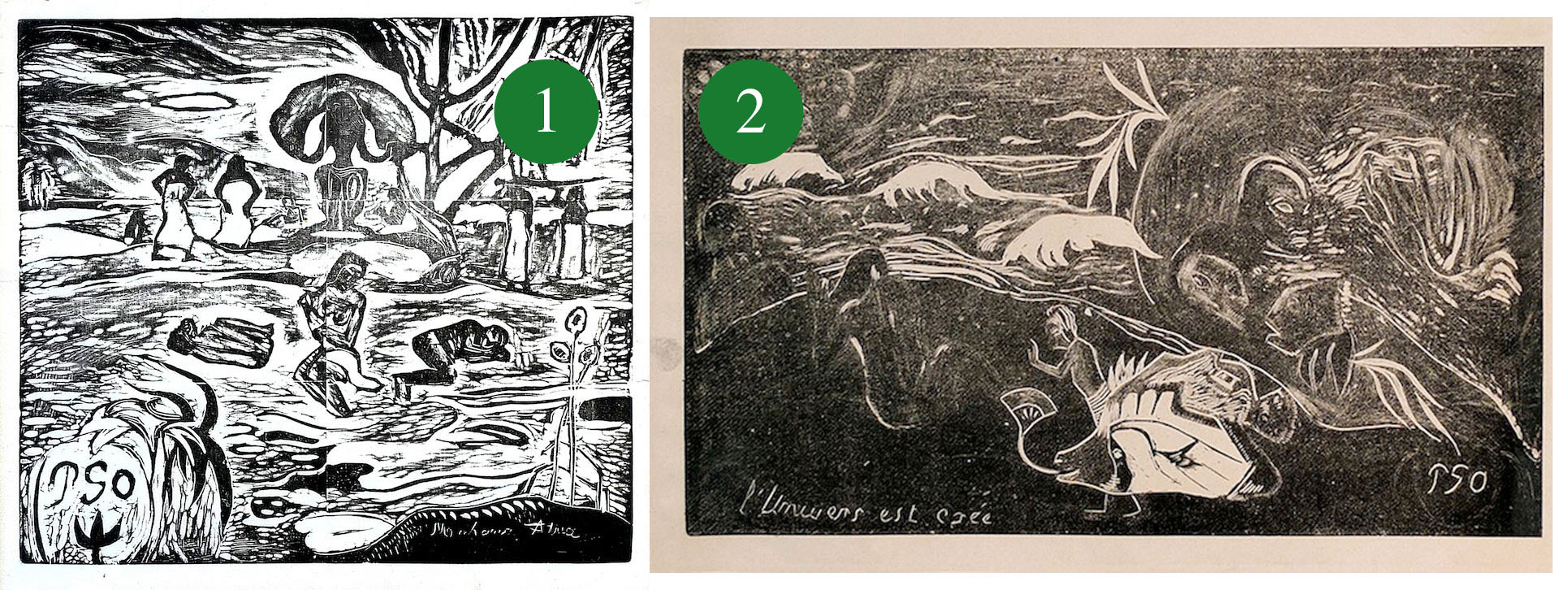
Two Tahitian myths inspired these woodblock prints by Paul Gauguin. Which do you prefer? Read about them in this blog post, and vote now!

Thanks for participating in COLLECTOR’S CHOICE! To place your vote on other social networks, connect with us through the links on our About Page.

BE OUR CURATOR: A Social (Media) Experiment

When we cooked up a full-fledged social media strategy for the gallery early last year, we had no idea what we were in for. Twelve months and countless posts, photos, tweets, likes and pins later, we’ve learned a lot. No offense to professors past, but engaging with our vibrant online community of aesthetes has been the best art course we’ve ever taken. It’s high time we thanked you for your passion, so pull out your CV and add “curator” to the list. Starting tomorrow, we’re giving you the opportunity to help us put together a very special show.

COLLECTOR’S CHOICE: 10 Artworks We Love will feature art chosen by online fans across all of our social media platforms. Keep an eye on Matthews Gallery’s Facebook, Twitter, Pinterest or other networks from Friday, January 17 through January 30 to vote on your favorite work in our collection. From January 31 through February 5, we’ll unveil your selections in the gallery and online.

Join us as we shatter the definition of an art curator and gallery show. There’s no one we’d rather collaborate with! Learn more about the show on the Matthews Gallery website.

FOCUS ON THE FIGURE: The good, the bad and the body

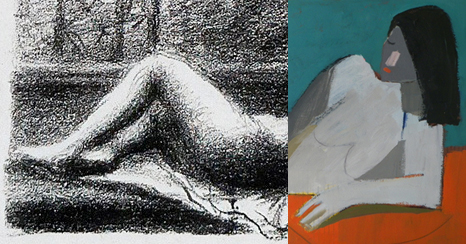
Two Odalisques by Pierre-Auguste Renoir and Jamie Chase- Matthews Gallery blog

Two Odalisques by Pierre-Auguste Renoir (left) and Jamie Chase (right)

No matter their preferred medium or subject matter, one of the first things young art students are challenged to do is pick up a pencil and draw from life.

“It’s only by drawing often, drawing everything, drawing incessantly, that one fine day you discover to your surprise, that you have rendered something in its true character,” said Camille Pissarro, mentor to the Impressionists.

Of course, Pissarro had a different idea of what it meant to evoke something’s “true character” than, say, Paul Gauguin. As we discussed in our last post, Vermeer and de Kooning painted female figures in oil to highly divergent ends.

Our FOCUS ON THE FIGURE survey show, running now through the end of December, has us pondering the artist’s eye for the human body. History’s verdict on the success or failure of a particular depiction is often entirely based on the culture that first viewed it. Even in the hands of the most technically talented artists, the human body has a unique capacity to spark fiery controversies. Here are some notorious offending body parts:

SKIN

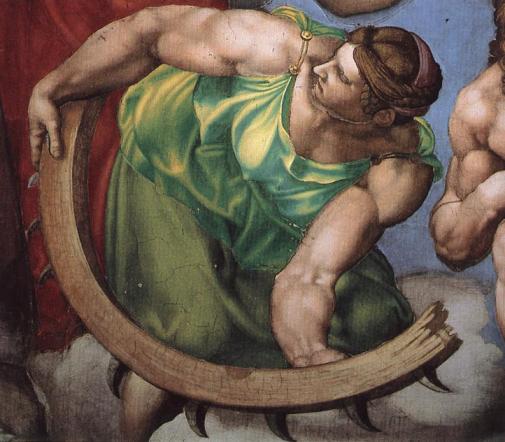
Michelangelo- The Last Judgment detail- Matthews Gallery blog

The Last Judgment (detail), Michelangelo

Believe it or not, that’s a woman in the image above. Michelangelo (1475-1564) had a hard time depicting feminine grace, probably because he used massive body builders as models. That’s not the reason the artist’s Last Judgment mural in the Sistine Chapel drew the ire of the church, though. Michelangelo left many of his buff bodies unclothed and the clergy was afraid they would provoke sinful titillation. After the artist’s death, fig leaves were swiftly deployed.

TEETH

Elisabeth Vigee Le Brun- Self Portrait- Matthews Gallery

Self portrait, Elizabeth Vigee Le Brun

As chronicled in our blog series 10 Women Who Changed Art History Forever, even fully clothed models (with frilly collars) could show too much. When Marie Antoinette’s court painter Elisabeth Vigee Le Brun (1755-1842) dared to flash a smile for this self-portrait she was roundly condemned for diverging from the style of “the Ancients”. Read what one gossip columnist had to say about it here.

EARS

John Singer Sargent- Madame X- Matthews Gallery blogMadame X, John Singer Sargent

Top Paris socialite and legendary beauty Virginie Amelie Avegno Gautreau couldn’t resist John Singer Sargent’s (1856-1925) offer to paint her portrait in 1883. When conservative viewers at the Paris Salon were scandalized by Gautreau’s bare white shoulder and bright red ear in the painting, Sargent attempted some damage control by painting in a shoulder strap and renaming the painting Madame X. Alas, Gautreau’s reputation was forever damaged.

FACES

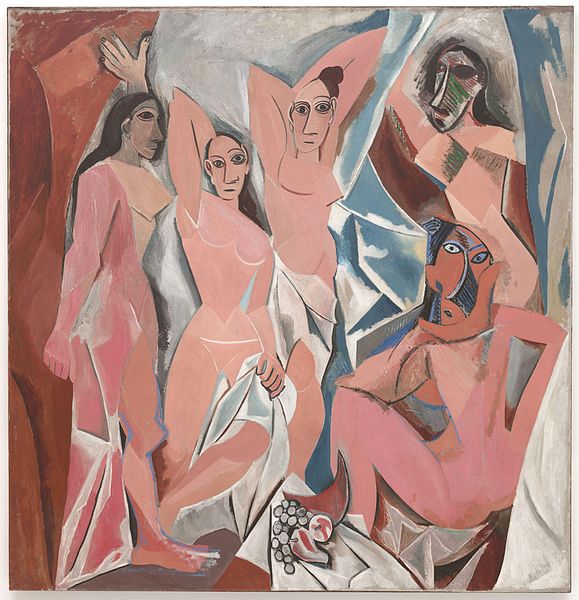
Pablo Picasso- Les Demoiselles dAvignon- Matthews Gallery blog

Les Demoiselles d’Avignon, Pablo Picasso

Pablo Picasso (1881-1973) always referred to his seminal painting of a group of Spanish prostitutes as The Brothel of Avignon. The canvas sat in his studio for years before he exhibited it under the title Les Demoiselles d’Avignon (The Young Ladies of Avignon) in 1916. Even after its rebranding, the painting caused a stir because the women’s faces—influenced by traditional Iberian art, African tribal masks and the art of Oceania—were considered savage and their postures barbaric and aggressive.

After the show, the work was rolled up and stored away for years. It wouldn’t be recognized for its visual innovations until later, when designer Jacques Doucet bought it for 25,000 francs in 1924. “It is a work which to my mind transcends painting; it is the theater of everything that has happened in the last 50 years,” Doucet said.

Our FOCUS ON THE FIGURE show features art by Jamie Chase, Kate Rivers, Eric G. Thompson, Pierre-Auguste Renoir, Harold Frank, Pablo Picasso and more. Connect with us on Facebook, Twitter and Pinterest for more news about the exhibition.

FOCUS ON THE FIGURE: A Daub of Flesh

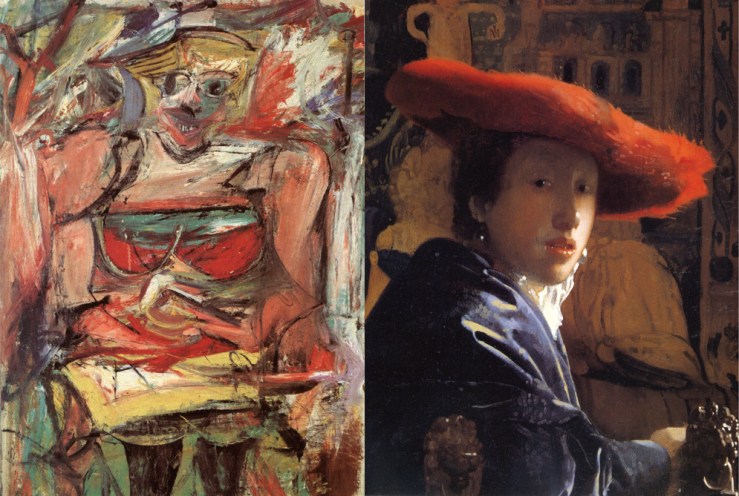
Vermeer and de Kooning - Matthews Gallery blog

“Flesh was the reason oil painting was invented,” said Willem de Kooning. The quote is a nod to the Dutch masters, who developed the medium to accurately evoke the semi-translucent glow of human skin in the crisp light of 17th century Delft.

By the mid-1900s, de Kooning was using the same medium to very different ends. His nudes unraveled across the canvas, their mottled flesh mimicking the dark tones of a bruised peach or the sickly hues of a jaundiced child.

The abstract expressionist encoded in painted skin the darkest sexual desires and terrors of the modern world, but he wasn’t blind to the way the inherent qualities of oil linked him to a much different time and place.

Our new exhibition FOCUS ON THE FIGURE, running December 2 to 9, holds a similar philosophy at its heart. The use of figures in art stretches back to prehistory, and new explorations into the subject have always looked to the past in one way or another.

Pierre Auguste Renoir - Odalisque - Matthews GalleryPierre-Auguste Renoir’s (1841-1919) etching Odalisque refers to Turkish concubines, but that wasn’t necessarily the artist’s intended title. Renoir submitted a painting of a nude called Diana to the Paris Salon in 1867. The erotic depiction of the Roman goddess offended the judges and the painting was rejected.

Three years later the artist used the same model for a painting called Odalisque and made sure she was fully clothed. The second work, stripped of its mythological significance and given an exotic twist, was accepted to the Salon.

Harold Frank - Blue Nude - Matthews Gallery

In this etching with the same title Renoir refuses to hold back. The nude Odalisque is so tenderly rendered her skin looks as soft as butter. “When I’ve painted a woman’s bottom so that I want to touch it, then [the painting] is finished,” the artist said.

Harold Frank (1917-1995) was born in England and grew up in New York, where he drew inspiration from American modernism and abstract expressionism. His take on the female figure in Blue Nude features quick, expressive brushwork that was no doubt inspired by de Kooning.

Both artists incorporated drips and splatters of paint into their compositions to create spacial ambiguities in the picture plane. Is Frank’s nude standing in a corner or floating in a color field? The answer seems to change with every glance.

Jamie Chase - Turning Points - Matthews GalleryJamie Chase immerses a figure in a vibrant yellow atmosphere in Turning PointIt brings to mind both Mark Rothko and Nathan Oliveira, but Chase’s influences stretch farther back in art history.

Chase grew up in San Francisco and attended art school there for a short time before dropping out to travel Europe. He lived in various cities and educated himself on the masters before returning to San Francisco in the early 1970s. There he painted murals for a bookstore, drawing inspiration from ancient Egyptian art, European cave paintings and Native American art.

Come trace the history of the artist’s impulse to capture the figure at the exhibition this December, and connect with us on Facebook, Twitter and Pinterest for more news from the gallery.

NEW HORIZONS: Landscape Art Speaks

NEW HORIZONS- Focus on Landscapes- Matthews Gallery

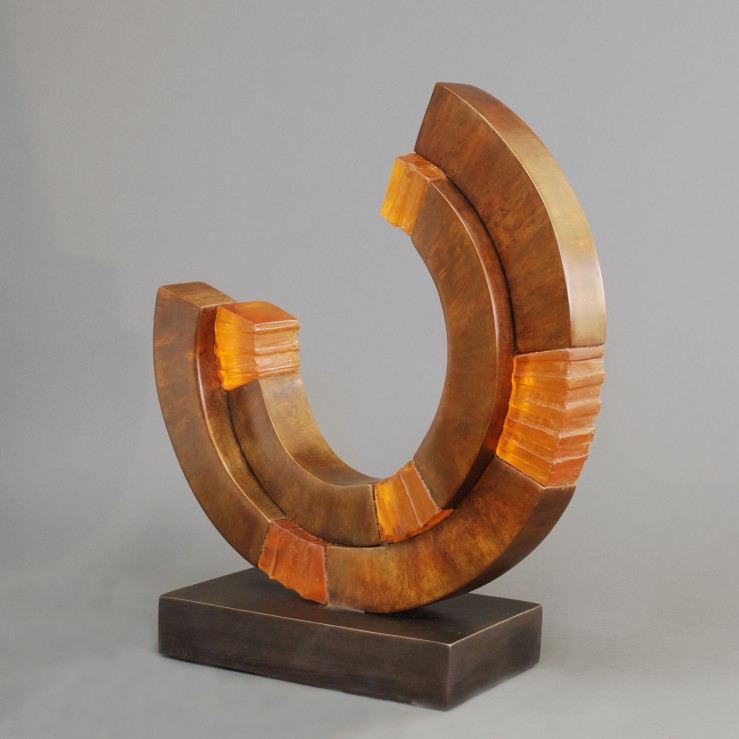
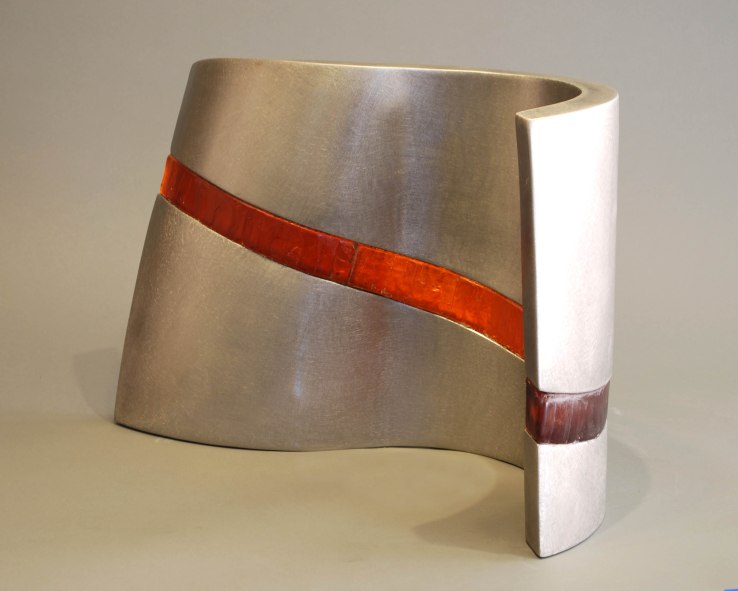
For our NEW HORIZONS: Focus on Landscapes show, running now through October 27, Tesuque sculptor Frank Morbillo‘s latest body of work engages with our diverse collection of contemporary landscape art. Throughout the exhibition, you’ll find observations by Morbillo and seven other artists, many of whom are inspired by the same severe desert expanses and infinite skies. Below is a selection of works and quotes from the show:

Sprung- Frank Morbillo- Matthews Gallery

Kate Rivers- Reflections- Matthews Gallery

PATTERN

Frank Morbillo finds patterns wherever he looks in the natural world.
Kate Rivers uses manufactured patterns to form fractured reflections of nature.

“What’s a pattern? Something that might be predictable. When I observe things, that’s what I see. As an artist, you take all of these different things and see how they work together.”

-Frank Morbillo

 “I’m using this history of text and image as something that is beautiful, and weaving the words together.”

-Kate Rivers

Frank Morbillo- Cool Encounter- Matthews Gallery

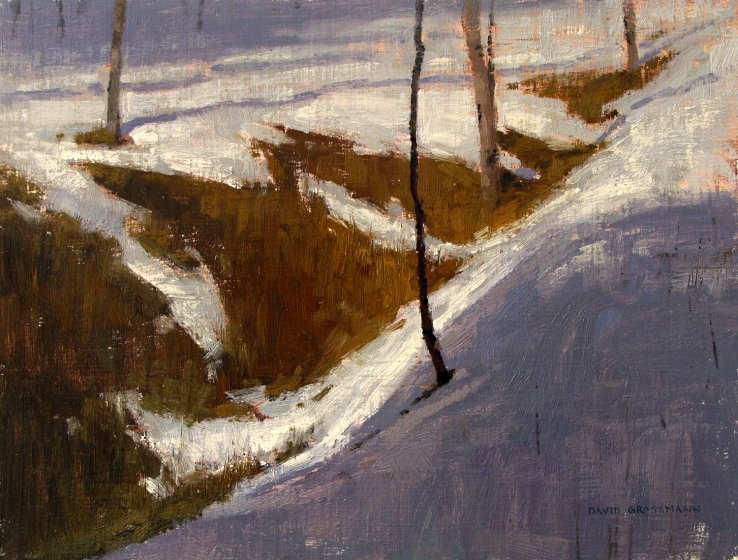
David Grossmann- Snow Rhythms- Matthews Gallery

RHYTHM

David Grossmann abstracts his landscapes to lay bare underlying rhythms.
Frank Morbillo traces the formation and disruption of natural rhythms.

“My paintings… are simplified rhythms of color, light, and shape. On the surface they are quiet whispers, but I hope that they convey a depth of emotion to anyone who takes the time to stop and listen.”

-David Grossmann

“Entropy is the introduction of chaos and disorder. That’s a root of what I’ve done over the years. You take something that could be highly organized, and understand that everything, all things, are subject to entropy. As much as we feel like we’ve created something that defies that, there’s no chance. Everything is subject to it.”

-Frank Morbillo

Frank Morbillo- Unraveling- Matthews Gallery

Terry Craig- Burning Questions- Matthews Gallery

TEXTURE

Terry Craig blends materials to mimic natural textures.
Frank Morbillo places materials with contrasting textures side-by-side.

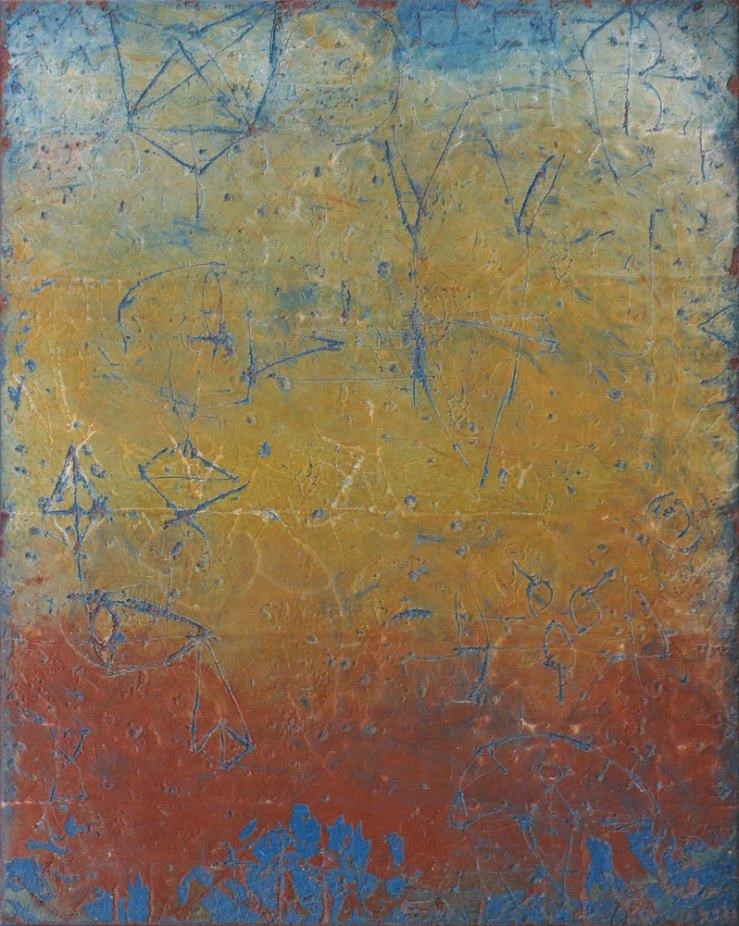
“It took a long time… to develop the formulas and get the materials to do what I wanted them to do. You can scrape into it and get all sorts of these wonderful organic qualities.”
-Terry Craig

“Glass is a beautiful material that sets up this nice contrast with the metal. If you add texture to it, it takes on a different color. The light behaves differently going through it.”
-Frank Morbillo

Frank Morbillo- Traverse II- Matthews Gallery

Jamie Chase- Two-Horizons- Matthews Gallery

COLOR

Jamie Chase uses multiple layers of paint to reveal and obscure different hues.
Frank Morbillo relies on the properties of glass to enhance his palette.

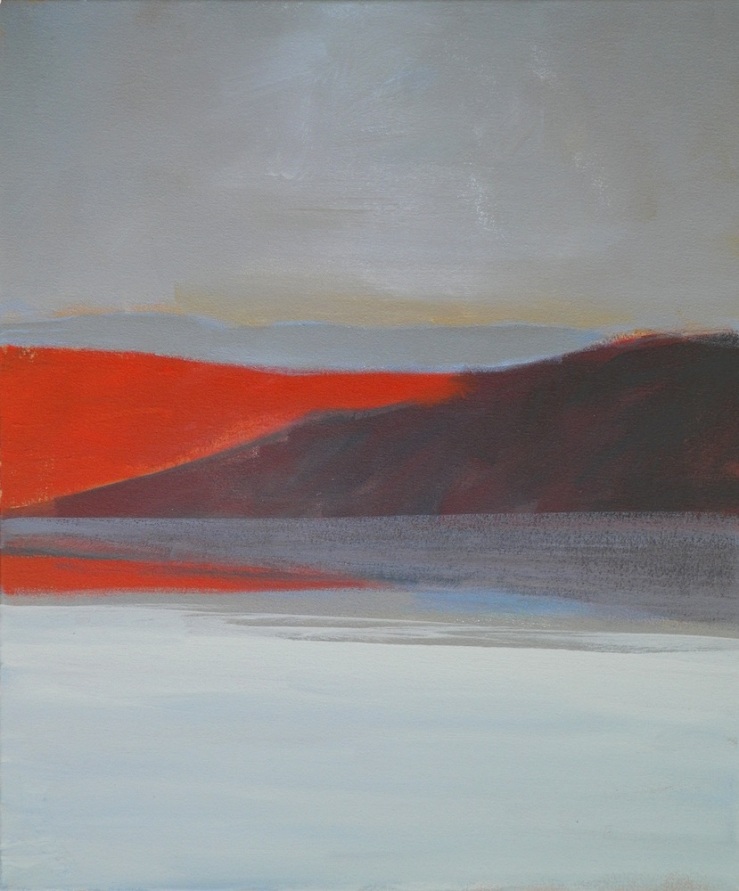
“There are so many narratives underneath the final painting. It starts out as something really dark or really dramatic in contrasting colors, and by the end it’s almost neutral colors, but there’s something moving under the surface.”
-Jamie Chase

“The glass introduced color into the work that really isn’t achievable in metal. The cobalt blues and reds and ambers have a quality that you can’t get with any of the metals.”
-Frank Morbillo

See NEW HORIZONS: Focus on Landscapes now through October 27 at Matthews Gallery. Connect with us on Facebook, Twitter and Pinterest to see more material from the show.

Diane White: Magical Realism

Diane White- Magical Realism- Matthews Gallery

As the reception for Diane White’s “Magical Realism” show begins, the artist stands alone in the middle of the Matthews Gallery’s front room, her shoulders squared and her hands clasped together. She looks around at the paintings she’s created over the past year and gives a little smile, but her posture doesn’t waver. She’s ready to greet her visitors.

One of the first folks through the door is Diane’s husband Steve, who’s just taken a stroll along Canyon Road and has something clutched in his hand. He presents it to Diane and she looks down inquisitively. It’s a small grey rock in the shape of a heart.

“Oh, thank you! Oh, that’s wonderful,” she says, beaming and leaning back to rest for a minute in Steve’s arms. “He’s my man.”

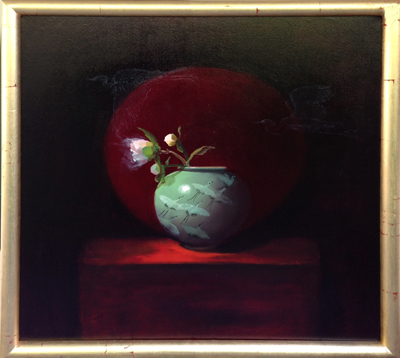
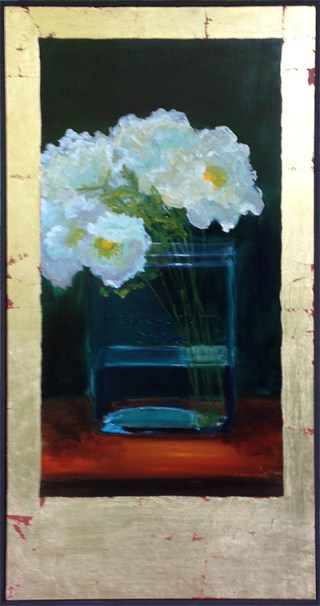
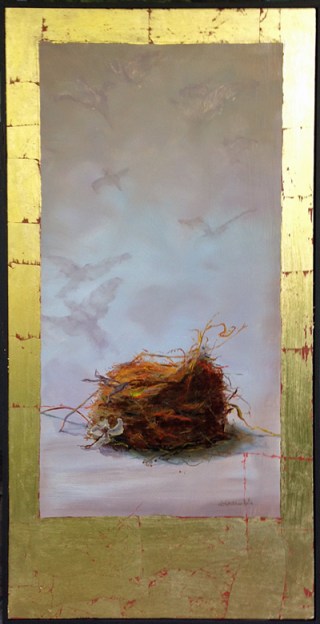
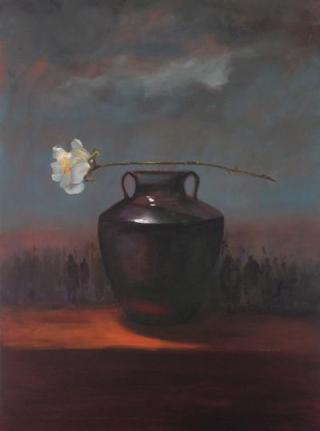
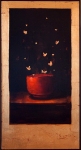
The moment reminds me of Diane’s work, which is imbued with equal measures of brave composure and romantic tenderness. The classically trained painter is inspired by magical realism, a literary genre that is rooted in the real world but incorporates magical characters and occurrences. In her impeccably detailed still lifes, glowing flowers hover above ceramic pots and ghostly birds rise from empty nests. The objects’ histories unfold around them, at first as subtle as a distant memories and then as vivid as a dreams.

With the heart rock pressed to her chest, Diane answered some questions about her new work, her process and her message:

White Majesty, Diane White, Matthews Gallery

What drew you to magical realism? 

I had a traditional still life that I was working on, and I was struck with the desire to do something else with it. It was steam coming out of a teapot with a dragon on it, and I made the steam into a dragon as well. Larry and Linda went, ‘What’s that?’ And I said, ‘Well, it just happened.’ That was five or six years ago.

White Ruffled Tulips, Diane White, Magical Realism

What were you thinking about while you were working on this show? 

I don’t start with one thought process, I start with one piece that I’m painting and I focus on that. I don’t concentrate on a body of work. When you look at my work, they’re all very different. Some of them are aggressive with warriors in the background, and others have some angels. I just take it one painting at a time, and try to have them tell a story. Usually it’s an uplifting story—a lot of flight, a lot of action.

Dreams of Flying, Diane White, Matthews Gallery

Several of the paintings show intricate nests. What inspired you to use them in your work? 

I have done nests before, but probably not for three years.  I have horses now at my farm in Vermont, and I was out in this area with huge pine trees where they hang out when I found a nest that was made of horse hair. It had twigs and things too, but inside I could see the hair of the different horses. I thought, “I have to paint a nest.” It was so magical for me to find that.

Spirit of the Red Box, Diane White, Matthews Gallery

 How do you strike a balance between the real elements in your paintings and the magical ones? 

I don’t want it to hit people in the face. I don’t want it to be Salvador Dali with a melting clock. I want it to be fairly subtle, and maybe something that the person looking at the painting discovers. On second glance you say, “Well, wait a minute. That’s not just steam. There’s something in there.” You kind of get involved with the painting.

Order of the Rose, Diane White, Matthews Gallery

 Sometimes you paint groups of figures in the backgrounds of your still lifes. Who are they? 

They’re the warriors in all of us, the strength. There’s usually beauty in my paintings—perhaps a flower—and there’s strength. I don’t make it try to be pretty, but I want it to be strong. They’re warriors, and that’s what we all have in us, this strength.

Learn more about Diane White’s August 16-29 “Magical Realism” exhibition here, and check out more photos from the opening reception here. Connect with us on Facebook, Twitter and Pinterest for more art news.

ERIC’S WORLD: Breaking Through with Light

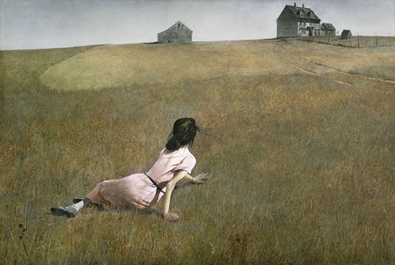
Andrew Wyeth- Christina's World- Matthews Gallery blog
Christina’s World, Andrew Wyeth

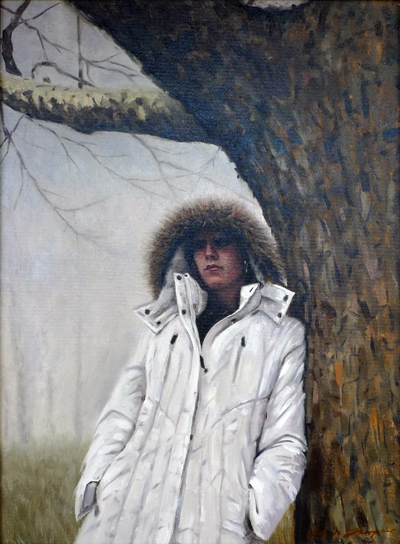
One of our Facebook fans recently drew a line between our artist Eric G. Thompson and revered American realist painter Andrew Wyeth.  That’s a common observation among visitors to the Matthews Gallery: both artists have muted palettes, a reverence for the even glow of the early morning and late afternoon sun, and, of course, a keen eye for the smallest of details.

Perhaps the element that best ties the two men together is their approach to the portrait. Their subjects stare pensively into the distance, lost in bittersweet memories as they lounge about in windswept landscapes. You can enter Eric’s Wyethian worlds this Friday from 5-7 pm at the opening for his new show “Breaking Through with Light“. Scroll down for a preview of the works in the exhibition, with accompanying quotes by Thompson and Wyeth:

Autumn Solace, Eric G. Thompson, Matthews Gallery
Autumn Solace, Eric G. Thompson

“As a child, I would search out a patch of light entering the room and sit there forever in total bliss”

-Eric G. Thompson

Lunch Break, Eric G. Thompson, Matthews Gallery

Lunch Break, Eric G. Thompson

“It’s a moment that I’m after, a fleeting moment, but not a frozen moment.”

-Andrew Wyeth

Pondering, Eric G. Thompson, Matthews Gallery
Pondering, Eric G. Thompson

 “In a world of pop culture that seems to be anti-silence, people seek the stillness they need without even realizing it.”

-Eric G. Thompson

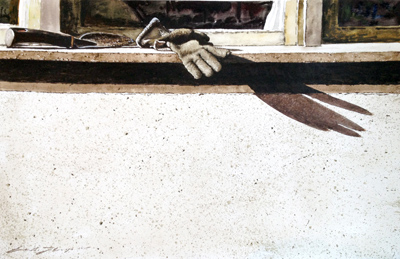
Shadow Play, Eric G. Thompson, Matthews Gallery
Shadow Play, Eric G. Thompson

“I search for the realness, the real feeling of a subject, all the texture around it… I always want to see the third dimension of something… I want to come alive with the object.”

-Andrew Wyeth

Evan, Eric G. Thompson, Matthews Gallery
Evan, Eric G. Thompson

“I feel that every one of my paintings is essentially a study of light or lack thereof—light coming into a room, light hitting an object, stretching a shadow, lighting an edge. All of this can be very powerful and moving in a painting,”

-Eric G. Thompson

Learn more about Eric G. Thompson’s “Breaking Through with Light” here, and connect with us on Facebook, Twitter and Pinterest for updates on his show.

STATE OF THE ART: A Survey of New Mexico Artists

The very first artists who came to work in New Mexico found themselves on a harsh frontier. Harold Elderkin and his wife moved to Santa Fe in 1886 to run a gallery and teach painting lessons, but left for El Paso two years later. An artist named George Stanley tried the same thing in 1897 and failed even faster.

The 1920s saw an influx of artists who had already established their careers on the East Coast. The Southwestern landscapes they sent home would build this region’s reputation for stunning natural beauty and great art. Nowadays, Santa Fe is one of the nation’s largest art markets and New Mexico is a magnet for artists from across the globe.

Though New Mexico has changed a lot since those first creative pioneers settled here, the independent spirit of the frontier lives on through art. Our April 5-18 exhibition “State of the Art”showcases the work of seven recognized contemporary masters who work in New Mexico. Their art may be as diverse as our desert sunsets, but it’s all influenced by the Land of Enchantment.

Jamie Chase moved to Santa Fe in 1980 from his home state of California. He initially found success here painting traditional landscapes, but started exploring other styles and subject matter as he developed his own visual vocabulary. His current work includes non-objective paintings, abstract landscapes and abstracted figurative paintings. “State of the Art” will feature his elegantly abstracted female figures, who roam among dazzling color fields in search of transcendence.

The landscape-based abstract paintings of Terry Craig are literally rooted in the earth. He uses powdered pigment, marble dust and other materials to explore the tension between careful geometric order and wild gestural strokes. The Albuquerque artist draws inspiration from colors and patterns he sees in nature, but when he puts brush to surface he surrenders to his subconscious.

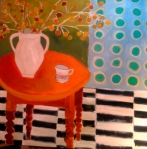
Annie O’Brien Gonzales was born and raised in Oklahoma and got her BFA in painting and art history at Oregon State University. She pursued fiber arts for many years but recently switched back to painting. You can still see traces of her fiber work in the bold patterns and colors she incorporates into her still life paintings.

Form and line, and observation, are the tools of the passage of my self-discovery,” says 89-year-old Santa Fe artist Robert W. Hinds. The sculptor worked as an illustrator and graphic designer before deciding to explore the third dimension. His bronze sculptures are of animals and people, and often show surreal interactions between them. Hinds’ abstracted style is contemporary, but the stories he tells through his sculptures recall Classical myths.

Frank Morbillo was raised on Long Island, but moved to Montana and then Santa Fe as a young adult. His sculptures speak the same language of entropy and change as New Mexico’s majestic rock formations, with an added element of political dialogue that you’ll find in his inquisitive titles. “I often find myself walking the line between artist and activist,” he says.

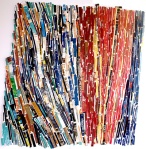
You’ll find old letters, candy wrappers, bits of string and other flotsam and jetsam in Kate Rivers‘ mixed media works. The artist, who grew up in Ohio and now lives in Santa Fe, uses these often overlooked objects to investigate memory and metaphor. Her most recent works are enormous collages made of dozens of stitched-together book bindings. Fragments of titles jumble together, encouraging new associations between the stories and characters behind them.

Diane White may be well versed in traditional still life techniques, but a closer look at her serene paintings of ceramic pots and other vessels will lead to fantastical discoveries. The Santa Fe artist, who worked for many years as a potter before studying painting at the Loveland Art Academy, weaves elements of magical realism into her works right under the viewer’s nose. Magical realism is a literary genre made famous by writers like Gabriel Garcia Marquez that illustrates extraordinary events in the context of a quotidian setting. Pay attention to every detail in White’s work and you’re sure to discover something supernatural, from a leaf transforming into a butterfly to a bouquet of lilies melding with the night sky above it.
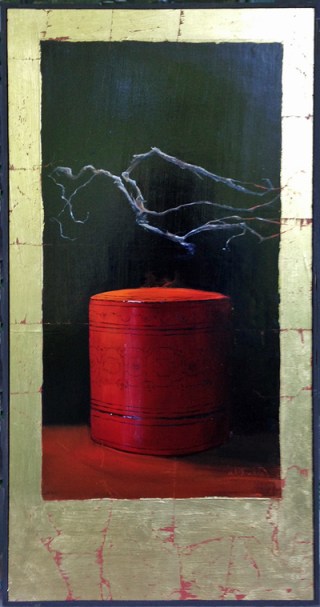
State of the Art” opens Friday, April 5 from 5-7 pm and runs through April 18, 2013. Check out our Facebook and Twitter pages for more information.