MORANG AND FRIENDS: The Fire

Santa Fe Master Alfred Morang- Matthews Gallery Blog

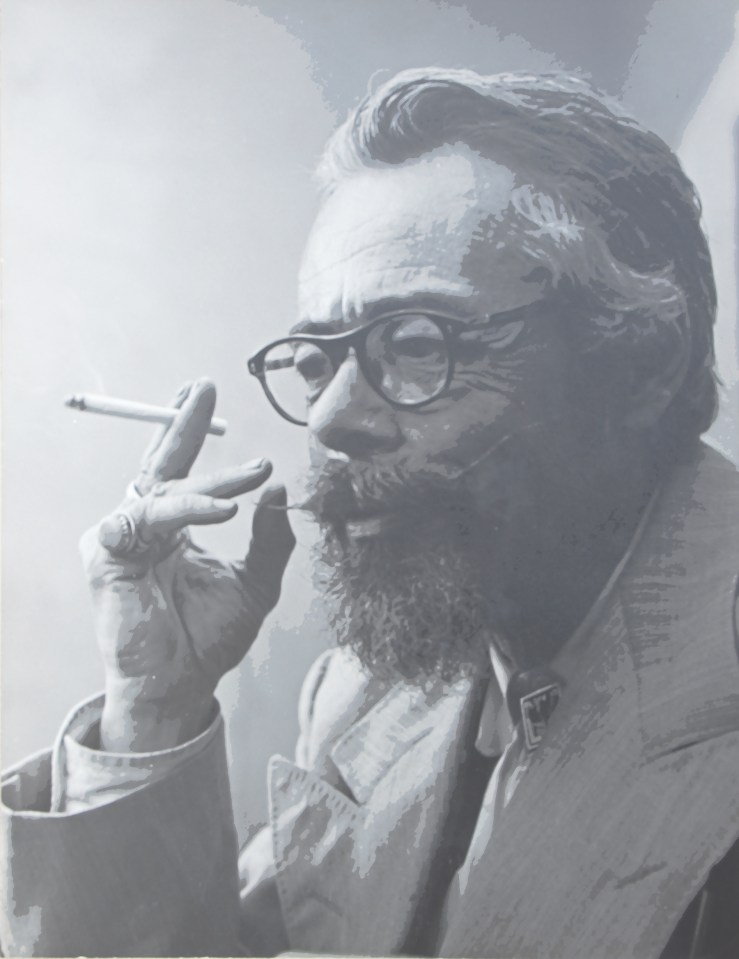
Alfred Morang’s life ended with a fire. That’s where the story of our upcoming exhibition begins.

It was a frigid January evening in 1958, and Morang was up late at Claude’s Tavern. The saloon was on Canyon Road’s 600 block, just down the street from Matthews Gallery. Its owner Claude was a burly woman known for ejecting unruly patrons by slinging them over her shoulder. She presided over a wild scene: legend has it someone once rode a horse straight through the bar.
Alfred Morang- Dancers at Midnight- Matthews Gallery Blog

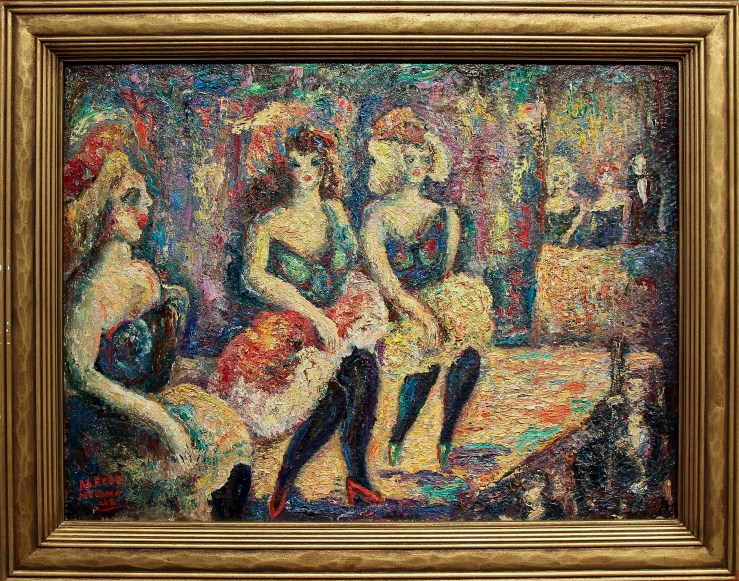
This was a fitting final evening for Morang. Claude’s was one of his favorite haunts, a place that still captured the dwindling spirit of his legendary house parties of the 1930’s and 40’s. Back then, he and his wife Dorothy were the toast of the Santa Fe art colony. Morang was a revered painter, art teacher, art critic and radio personality. His impressionistic paintings of colorful soirées filled with dancing ‘Ladies of the Evening’ and skeletal gentlemen had earned him the nickname ‘Santa Fe’s Toulouse’.

Morang’s studio apartment was directly behind Claude’s, and he returned there around midnight. It was a tiny space so packed with canvases that you could barely navigate it. Sometimes the heating broke, and when it snowed Morang would haphazardly pin a muslin cloth over the open skylight.

At around 1:30 am, smoke filled the air. Here’s Santa Fe artist Drew Bacigalupa‘s account of what happened next:

I was in the neighborhood bar the night his house caught fire. An old army buddy from Chicago had come to town and wanted to down cognac while viewing local color. There wasn’t much to view. It was a bitterly cold night, the streets deserted, the bar almost empty and quite cheerless. My bachelor friend dredged up memories of a thousand other cafes in France and Germany while my thoughts strayed to demands at home. Three weary women at the other end of the long bar seemed to be nowhere waiting for nothing.

The sound of sirens startled us all. Fire engines skidded past the door, we could hear them screeching to a halt in a compound behind the bar. I knew Alfred’s small adobe casita was there.

Nothing could be done. The roof had already crashed in and flames leaped high in the sky. I was thinking how very, very strange it was to be standing beside this war comrade watching helplessly, just as we’d done in Europe, as property and life were devoured by fire. And even stranger—later—when stretcher carriers fled the still-blazing ruin and rested their burden on the frozen ground. For firelight, like streaks of red and yellow pigment, crawled erratically over the sad tableau. And looking up from the bearded profile on the stretcher, I saw the women from the bar had joined us. Harsh, bright colors spiraled over their tawdry dress and hennaed hair, highlighting them against the black night. They were exactly like his painting […] his Ladies of the Evening.
Alfred Morang- Mitzi Cat- Matthews Gallery Blog

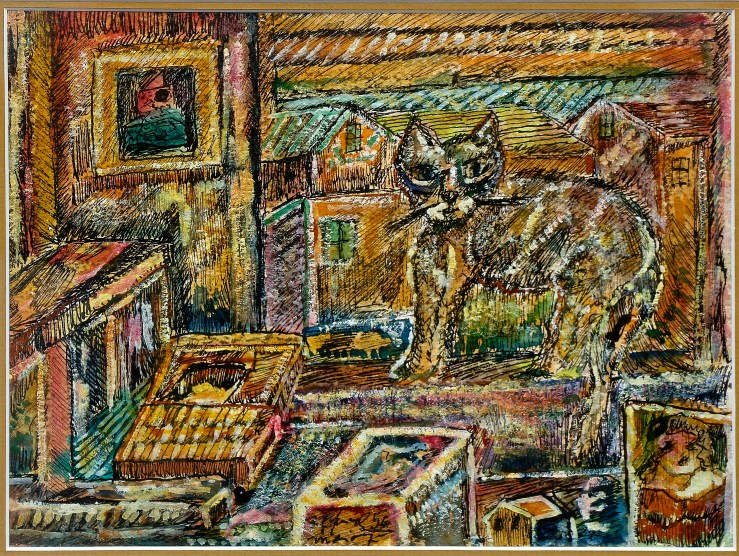
The next morning, the Santa Fe New Mexican printed a photo of one of Morang’s cats perched sadly atop a blackened mattress. The caption read, “Mourning For Her Master… this lonely cat was found wandering through the charred ruins of the home of her master Alfred Morang. The cat is on the bed where he died.”

The Santa Fe art community was distraught. There was a sense of guilt among Morang’s closest friends, a grave regret that the masterful artist had received only a fraction of the recognition he deserved. “Why shouldn’t Santa Fe be stunned by the loss of Alfred?” said one local artist. “After all, he taught half of us how to paint; the other half how to see.”

Art luminaries Randall Davey and Will Shuster helped escort the body to Albuquerque for the funeral, and Davey spoke at the Santa Fe memorial service in early February. “He was a great painter; many of you did not think so because he sold his art for a mere pittance through necessity,” said Davey. “Nevertheless it was great art and the happiest work I have seen in New Mexico. He had a love and delight for painting and I doubt that anyone will surpass him in his field.”
Alfred Morang- Gormley Lane Santa Fe- Matthews Gallery Blog

Meanwhile, the City of Santa Fe was having a hard time finding Morang’s heirs. He and Dorothy had divorced in 1950, and he wasn’t close to any of his relatives. Morang’s ashes sat in a closet in the New Mexico Museum of Art for two years before they were scattered over Canyon Road. Eventually, Dorothy helped locate a distant family member to send a box of Morang’s possessions that had been plucked from the ashes of the deadly fire.

Decades after Morang’s death, local art scholar Paul Parker conducted a national search for that box, which had passed down through the Morang family. The ephemera he discovered—including a charred violin, sketches and extensive writings—will appear alongside artwork by Morang and other New Mexico modernists of the period in our December 12-26 exhibition MORANG & FRIENDS.

As the show approaches we’ll tell the story of Parker’s treasure hunt, and recount colorful chapters from the life of Alfred Morang. Make sure to subscribe to our blog, and connect with us on Facebook, Twitter and Instagram for additional updates on this exciting project.

Source: Drew Bacigalupa’s tale first appeared in the 1979 book Alfred Morang: A Neglected Master by Walt Wiggins

COLLECTOR’S FORUM: Join the Network

Get Connected- Collector's Forum Workshops- Matthews Gallery blog

Seats are filling up for our free COLLECTOR’S FORUM workshops, which begin next Friday as part of the Santa Fe Gallery Association’s Art Matters lecture series. The events have already given us the opportunity to connect with art lovers of all stripes. As the news spreads from person to person, a network is forming with links to local art legends like Alfred Morang and Fremont Ellis.

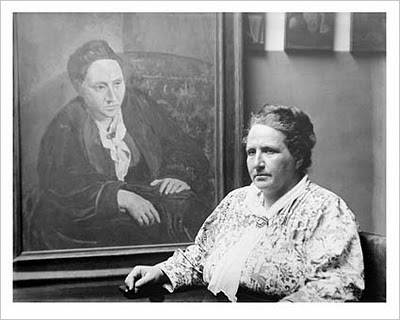
Gertrude Stein with her famous Picasso portrait- Matthews Gallery blogGertrude Stein with Pablo Picasso’s famous portrait of her

That’s why this lovely friendship map of Parisian modern artists and patrons from the early 20th century caught our eye on Twitter the other day. Celebrated salonniere Gertrude Stein is the spider at the center of the web, of course, with Pablo Picasso and Henri Matisse and Joseph Stella and Henri-Pierre Roche entangled around her. Mabel Dodge and Marsden Hartley appear too, and their later New Mexico adventures tie this famous circle directly to our own rich cultural history. Forget six degrees of separation, we’re down to one!

The art world is beautifully interconnected, but that doesn’t mean it has to be exclusive. Our workshops are designed for anyone who’s ever considered dipping a toe into the art market, whether you have a full array of masterpieces or a virtual wish list of art treasures on Tumblr. We’ll cover every angle of the art business, including:

  • How the price of artwork is determined
  • How the primary art market differs from the secondary market
  • The importance of provenance
  • When conservation should be considered for an artwork and what is involved
  • How to insure your artwork
  • How to receive an accurate art appraisal
  • How to negotiate the purchase of art
  • The best strategies for buying or selling art at auction

The workshops will feature fascinating behind-the-scenes stories from our gallery, and tales of tricky art conservation projects from special guest Matt Horowitz. Shoot us an email to reserve your seat and become a link in the long chain of art connoisseurs, from the City of Light to the City Different!

Learn more about COLLECTOR’S FORUM on our exhibition page, and connect with us on Facebook and Twitter for daily gallery news.

THE LUMPKINS LEGACY: Bill’s Last Request

William Lumpkins Jr- Matthews Gallery Art Opening

William Lumpkins Jr. next to his father’s serigraph “Abstract Landscape #3

At last Friday’s opening of NEW MEXICO MODERNS: The Lumpkins Files, William Lumpkins Jr. was a quiet presence. He stood to the side surveying his father’s work or chatted softly with visitors, many of whom were family friends. One woman had known his dad, who died in 2000, through an art discussion group that met at local coffeehouses. “Whenever Bill spoke, we all had to lean in. He was such a lovely, gentle man,” she said.

Will’s father may have passed down his mild temperament, but both men are also legendary for their fierce artistic passion. Will has carefully preserved the artwork in The Lumpkins Files show for years, and meanwhile has developed his own artistic style. The jacket he wore to the show was emblazoned with intricate celtic knots and a dragonfly.

When we asked about his dad, the more colorful side of Will’s personality emerged. Here’s William Lumpkins’ son on his father’s never-before-seen artwork, and why he decided to release it more than 15 years after Lumpkins’ death.

 What’s it like to see your dad’s work hanging in the gallery? 

Well, his work was all around us growing up, so it’s not that strange. The gallery did an excellent job though.

When did you first bring the work to Matthews Gallery?

About a year and a half ago. I had shopped around and didn’t relate to anybody until I met Larry.

Where did you keep it for all these years? 

I had it in a case between sheets of acid-free paper. When I was teaching at Virginia Commonwealth University, I was in charge of museology. It was a whole print and painting conservation training program. So my dad knew that I could take care of them. Watercolors in particular are a sensitive thing for archiving.

Why didn’t he want you to release them until now? 

It didn’t have to do with the work. He said to me, ‘Okay, you wait until after you’re 70 because by then your personal artistic statement will be you. You won’t have to mimic me.’ So at 70, my artwork was me and I brought these out again.

Were you ever tempted to release them before that? 

No, it just didn’t seem right until I started looking around recently. I trusted you guys.

One of the biggest surprises in this body of work was the watercolor from 1937. That’s one of the earliest Lumpkins pieces we’ve ever seen. Did you know it was in there?

I knew that the work spanned a lot of time. When Dad was closing down the studio, he picked these out because these were the ones that he really liked from different points in his career. He felt that they were significant, and that they weren’t typical. His typical work is pretty well-known, but these he wanted to hold out so that they’d be totally new.

What was your vision for this show? 

I gave the work to Larry and said, ‘Do you what you think is best.’ I just want them to be out in the open where they can be seen. If people want them enough, if people like them a lot, that’s good.

Hear more from Will Lumpkins in this week’s Pasatiempo, and visit the show at Matthews Gallery through Friday, April 25. For more images from the opening, check out our photos page and connect with us on Facebook and Instagram.

NEW RELEASE: Fremont Ellis of Los Cinco Pintores

Fremont Ellis- La Plata Mountains- Matthews Gallery Blog


In 1921, Fremont F. Ellis and his friends Jozef Bakos, Walter Mruk, Willard Nash and Will Shuster founded an avant garde art society that would change Santa Fe forever. The five men were in their early 20s, and most of them had recently migrated there from the East Coast. They chose a name inspired by their new life in the Southwest: Los Cinco Pintores (The Five Painters).

In December of that year, Los Cinco Pintores mounted their first group exhibition at Santa Fe’s Museum of Fine Arts. Their work was diverse in subject matter, but their rallying point was modernism and the art of early Taos painters Robert Henri and John Sloan of the Ashcan School.

“These men believe in color and are not afraid to use it,” wrote a critic who attended the inaugural show. “Upon entering the galleries, visitors are greeted with a great shout of color that’s almost stimulating.”

Fremont Ellis - Watercolors - Matthews Gallery Blog

Over the next few years, Los Cinco Pintores worked together to build a row of casitas along Camino del Monte Sol near Canyon Road. This earned them another nickname, “The Five Nuts in the Adobe Huts”. Meanwhile, word of their exploits had reached other artists back home.

By 1923 another group called the New Mexico Painters was exhibiting paintings of sweeping Southwestern landscapes across the Midwest and the East Coast. Artists like Randall Davey, Andrew Dasburg and Theodore Van Soelen settled in the area, and the Santa Fe Art Colony was born. The City Different has fostered a vibrant art community ever since.

Fremont Ellis- Watercolor Diptychs- Matthews Gallery Blog

These newly released works on paper are by Fremont Ellis (1897-1985), who was the last surviving member of Los Cinco Pintores. Ellis grew up in Montana and was inspired to become an artist at 14 when he saw Albert Bierstadt’s paintings on a trip to New York City. He worked as a photographer in California before settling in Santa Fe, and used his photographs of landscapes to inspire his painted compositions. This body of work holds the vigor and immediacy of the artist’s many outdoor adventures.

Learn more about Fremont Ellis on our website, and connect with us on Facebook, Twitter and Tumblr for daily gallery news. Also, don’t forget to mark your calendar for our exhibition NEW MEXICO MODERNS: The Lumpkins Files, opening next week!

LOR’S LORE: Introducing Artist Lor Roybal

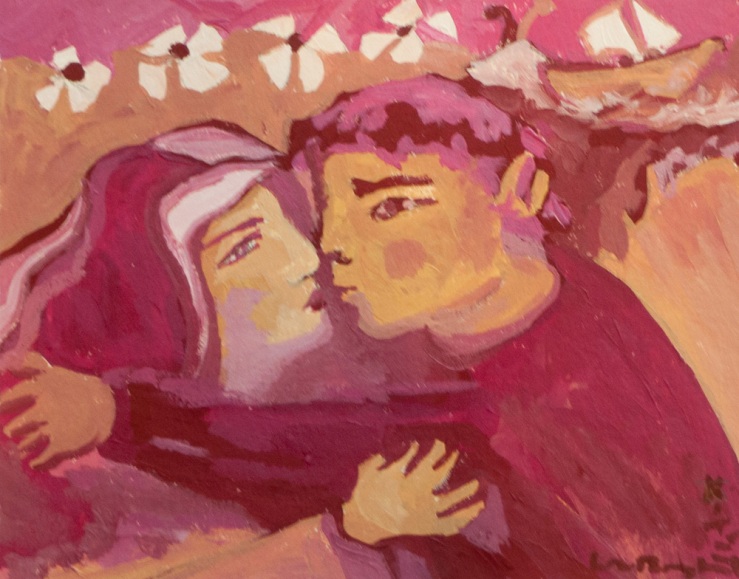
Lor Roybal- Dodge's Disbelief- Matthews Gallery

Lor Roybal, Dodge’s Disbelief, acrylic on paper
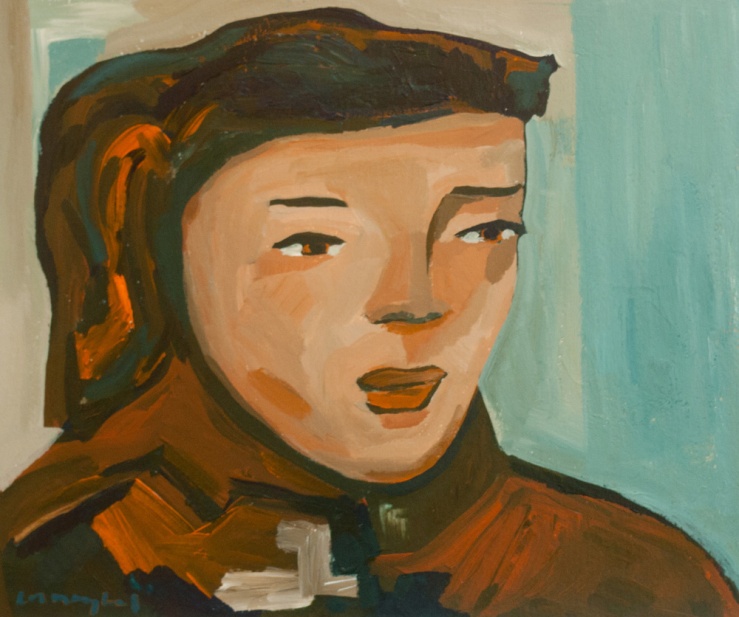
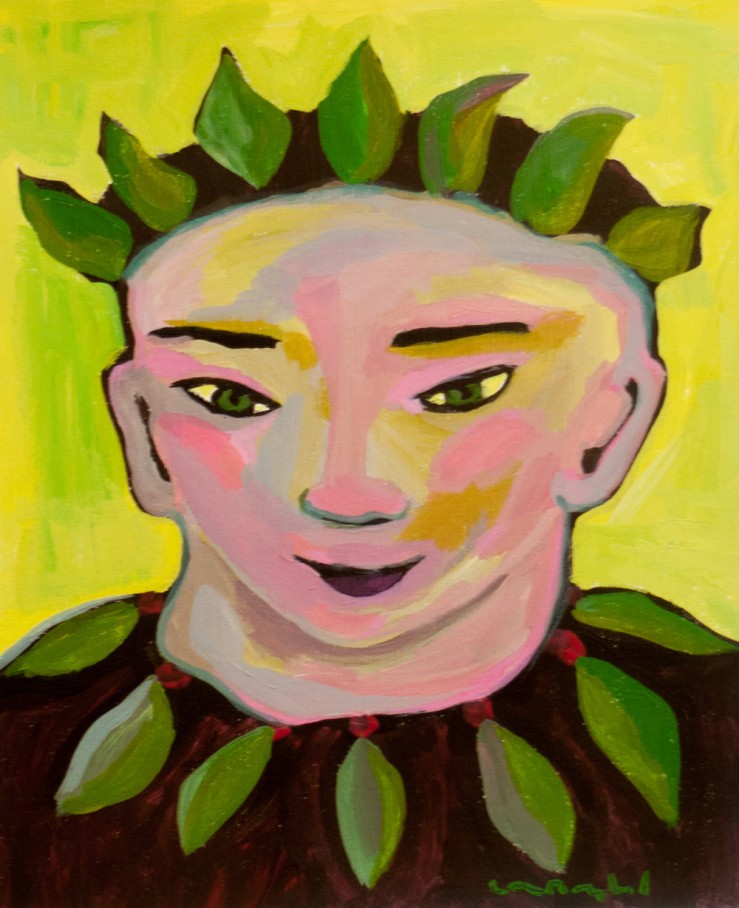
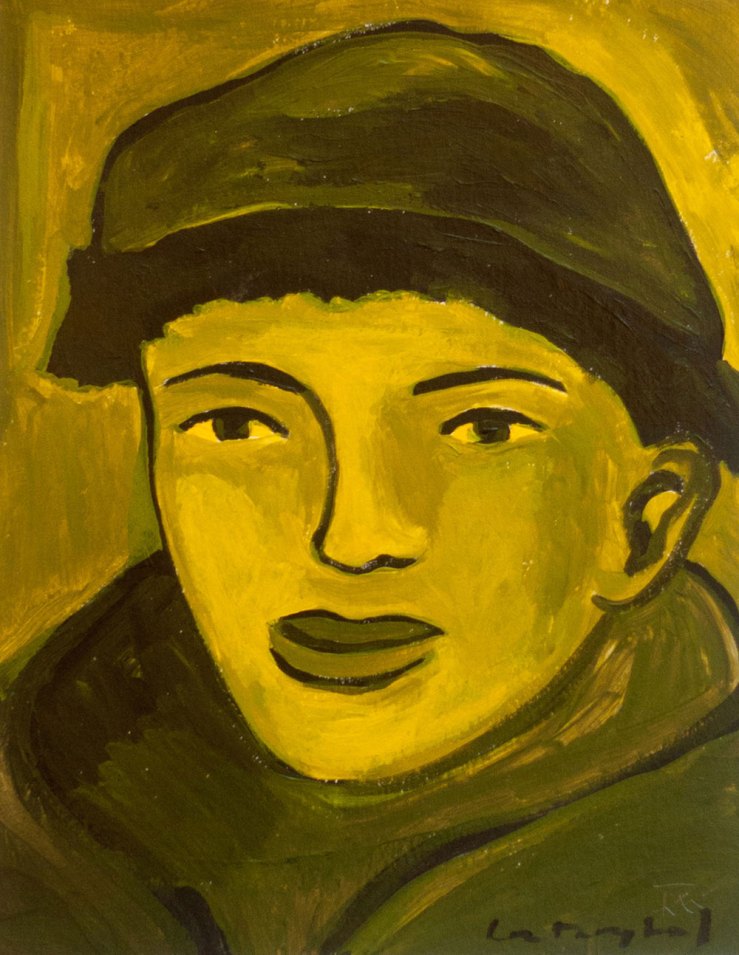
When Lor Roybal‘s big blue van pulls up in front of the gallery, we’re never quite sure what’s in store. She’s a blur of swirling textiles as she bursts through the door with something bright and colorful in tow. Her specialty is portraits, usually of characters from dreams or her vivid imagination. Sometimes she carries a box packed with miniature paintings and other times she holds a large frame in her hands. Once she brought by a loose stack of old sketches and wild free verse poems.

Lor is a familiar face in Santa Fe’s art community, but no one seems to know much about her. She lives somewhere along the Pecos River north of Santa Fe. Her two-room house is off the grid so she heats it using firewood in the winter. Her dog is her closest companion and painting is her favorite pastime. She is a scholar of art history.

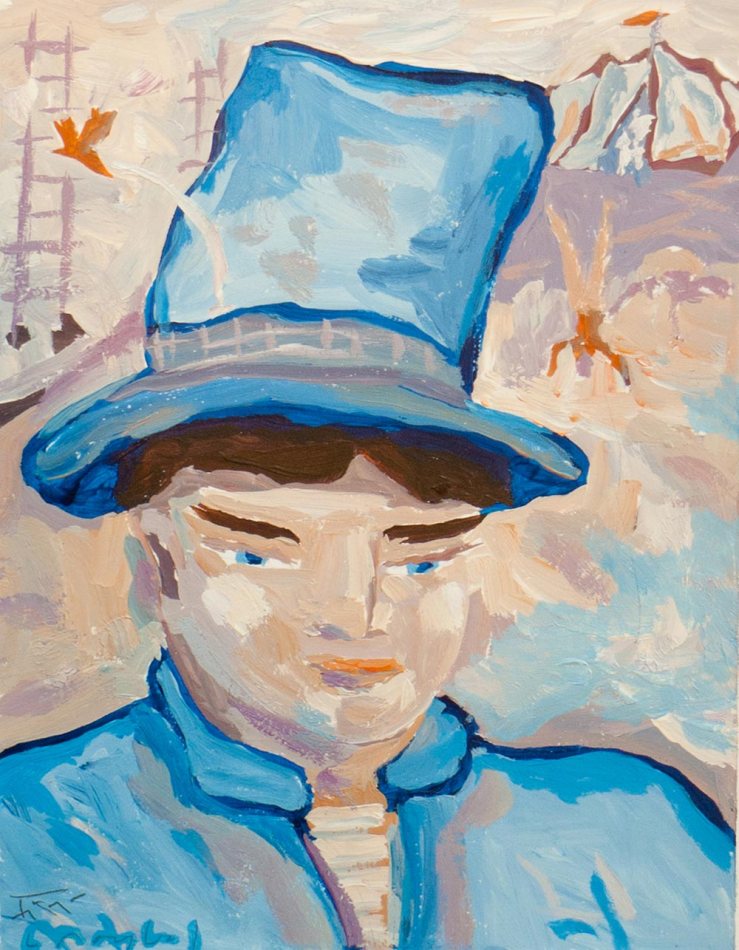
“When I first started showing people my little paintings, I would say, ‘Here’s my treasure chest of gems,'” Lor once told us. There’s definitely something precious about Lor’s colorful faces. Each subject has a name and thorough biography. There are daring circus performers and pensive poets, gossipy grandmothers and mischievous little boys, cherubic elves and long-departed spirits. Some of the figures are intelligent riffs on other artists’ styles, from Picasso to Chagall to Renoir, but all possess a wild twist of Lor’s style.

Lor is now officially part of our stable, and we couldn’t be prouder to represent her. As you’ll see in her latest batch of acrylic paintings on paper, the artist is truly one-of-a-kind. Check out some of the work below, and connect with us on Facebook, Twitter and Pinterest for continued updates.

Lor Roybal- Posi- Matthews Gallery

Lor Roybal, Posi, acrylic on paper

Lor Roybal- Emiles Incredulity- Matthews Gallery blog

Lor Roybal, Emile’s Incredulity, acrylic on paper

Lor Roybal- Stendhals Boat- Matthews Gallery blog

Lor Roybal, Stendhal’s Boat, acrylic on paper

Lor Roybal- Young Clown Lujo- Matthews Gallery blog

Lor Roybal, Young Clown Lujo, acrylic on paper

CURATE THIS, CURATE THAT: Place your votes!

Collectors-Choice-Social1

The selection process for our social media-curated show COLLECTOR’S CHOICE is underway, and fans on Facebook, Instagram, TwitterTumblr and other networks have placed their votes. It’s time for some tie breakers on WordPress! Check out the match-ups below and vote for your favorites in the comments section. From January 31 to February 5, we’ll unveil your selections in the gallery and online.

JAMIE CHASE

Jamie Chase- Collector's Choice- Matthews Gallery blog

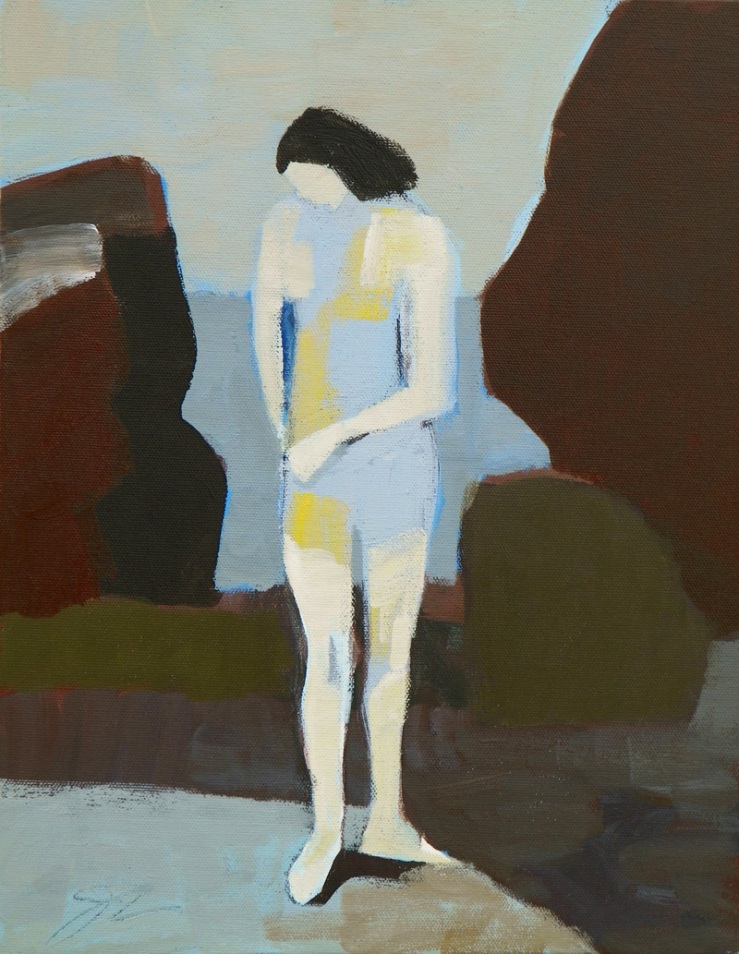
ROUND 1! Jamie Chase is known for his figurative work like image #1, and also his abstracted landscapes like #2. Which one should appear in the show? Take the curatorial reins!

WILLIAM LUMPKINS

William Lumpkins- Collector's Choice Show- Matthews Gallery Blog

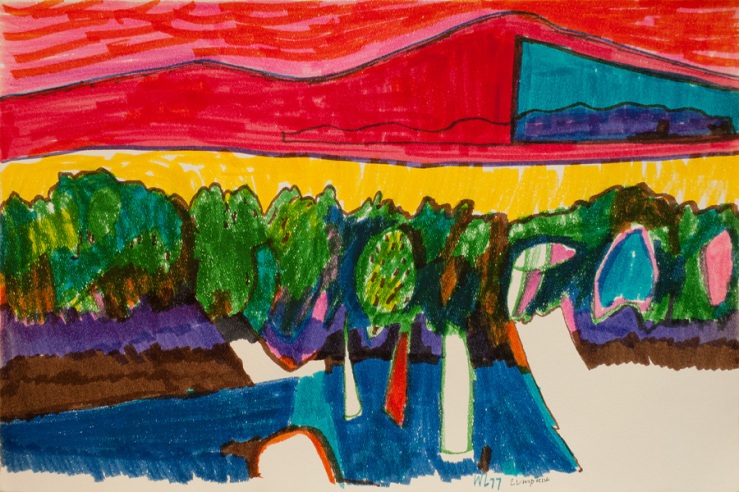
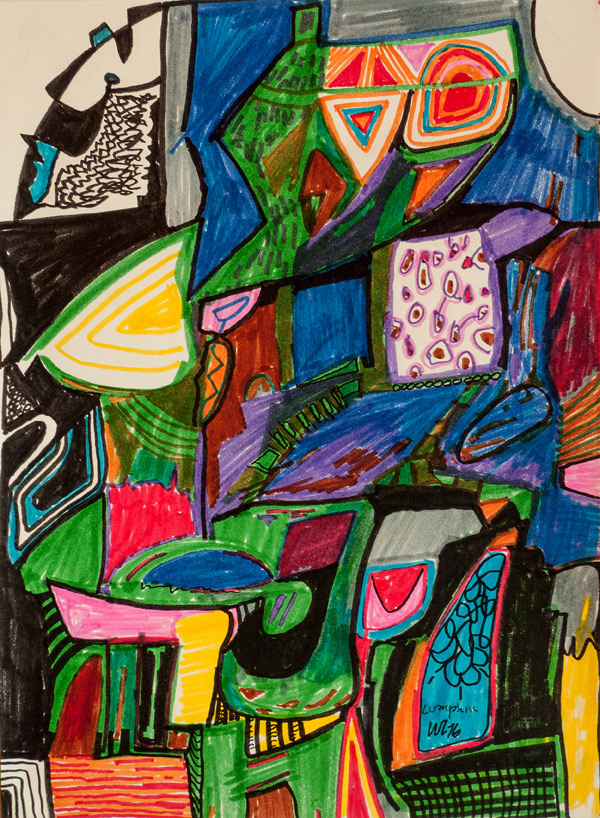
Do you prefer William Lumpkins‘ careful watercolor brushstrokes (#1) or experimental wild felt-tip pen marks (#2)? Read more about the influential Santa Fe modernist here before you decide…

KATE RIVERS

Kate Rivers- Collector's Choice Show- Matthews Gallery

Curate this! Should we feature a Kate Rivers book collage in the show, or one of her nests? Read about her mixed media work in this blog post, and vote for #1 or #2 in the comments.

HANNAH HOLLIDAY STEWART

Hannah Holliday Stewart- Collector's Choice- Matthews Gallery Blog

These tall, spindly bronzes might be very different, but they’re both by powerhouse feminist sculptor Hannah Holliday Stewart. Figurative or abstract? Curate that!

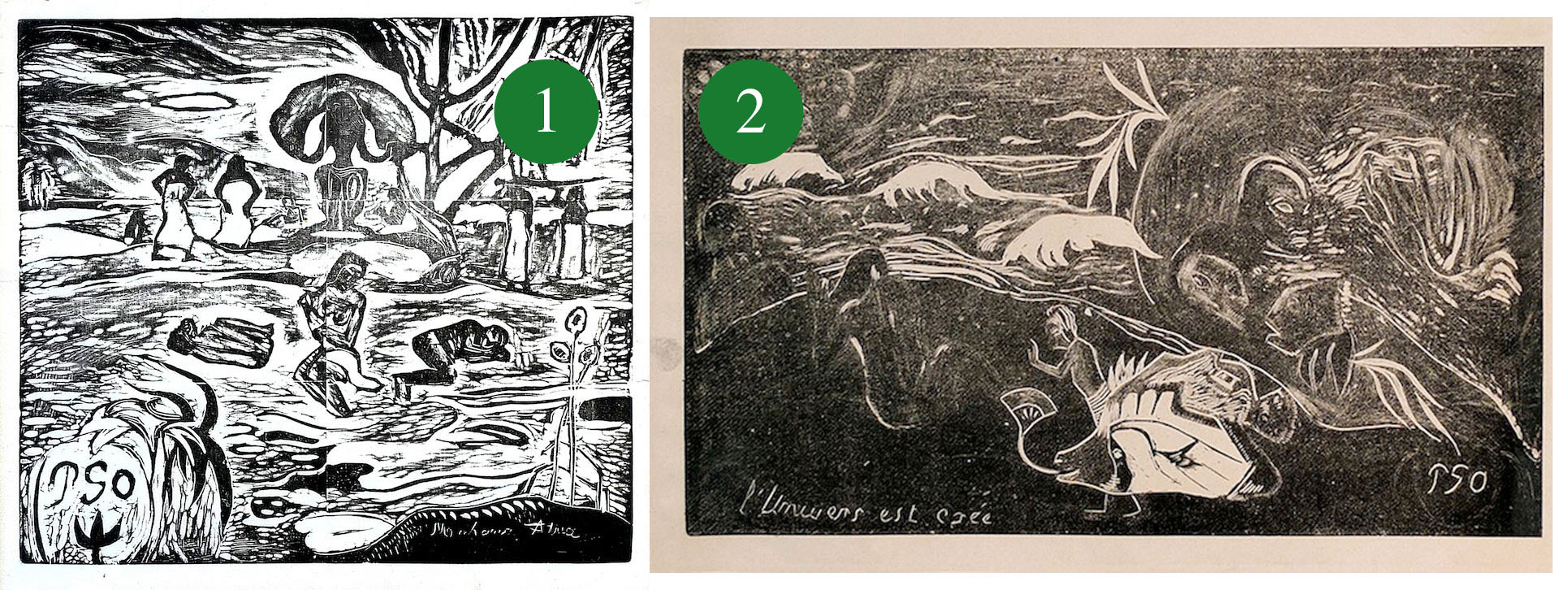
PAUL GAUGUIN

Paul-Gauguin-Collectors-Choice

Two Tahitian myths inspired these woodblock prints by Paul Gauguin. Which do you prefer? Read about them in this blog post, and vote now!

Thanks for participating in COLLECTOR’S CHOICE! To place your vote on other social networks, connect with us through the links on our About Page.

LET THE HUNT BEGIN…

This slideshow requires JavaScript.

“Where did you get that?”

That’s a common question among Canyon Road visitors when they see historic work by Henri de Toulouse-Lautrec, Paul Gauguin, Salvador Dali and other famous artists on our walls.

There’s no supermarket for art like this. Finding and authenticating it is an elaborate process, and the treasure hunt often begins where you’d least expect it. If you’ve ever wondered about the value of that painting or print on your wall (or in your attic), we might be able to help.

We’ve been in the fine art business for over 15 years, and have assisted hundreds of clients in selling their historic and vintage art. Whether you own a Renoir lithograph or an exquisite painting by a little-known American modernist, a sculpture by Arnaldo Pomodoro or a watercolor by an anonymous 19th century artist, we’d be delighted to take a look at it.

We’re primarily interested in art from four categories: European, American, Southwest and Contemporary. It could be a single work or a collection within any price range. If you’re looking to sell or consign, we offer fair prices.

Contact us at info@thematthewsgallery.com to get the process started, and check out our website and Facebook page to learn more about us.

Matthews Art Group- Sell your historic and vintage art

START YOUR BIDDING: Colorful lots from our fall online auction

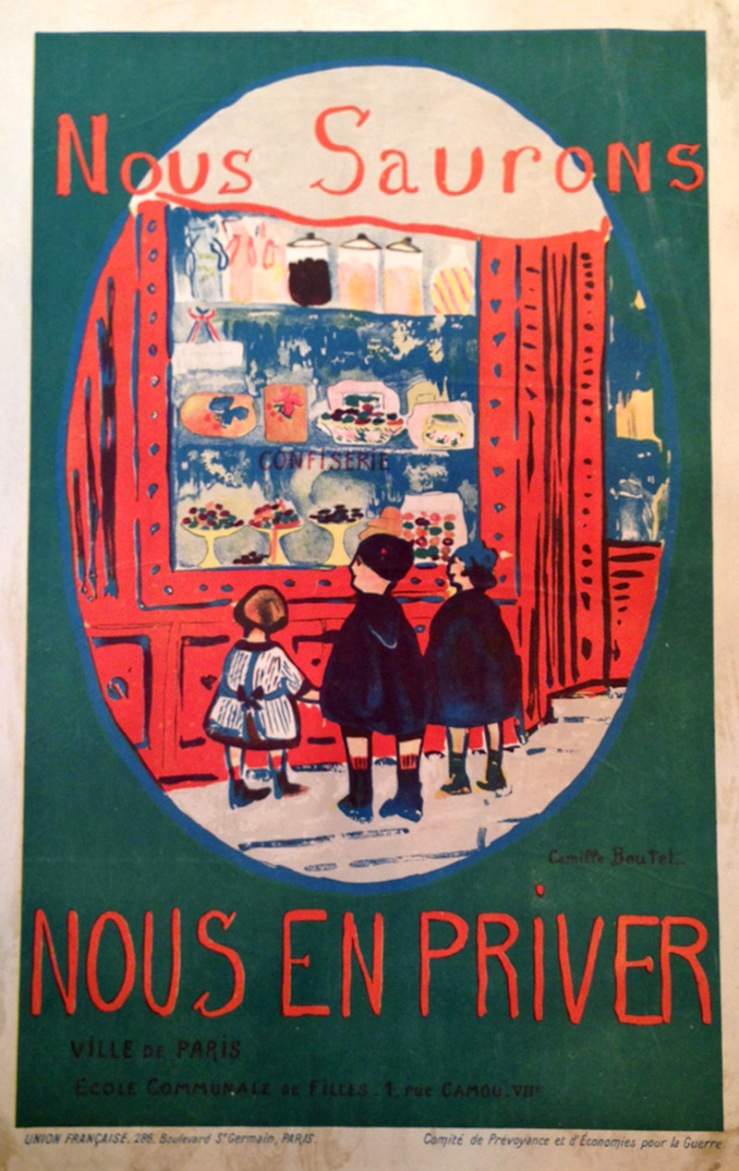
Matthews Art Auctions- Camille Boutet- Artfact

Our European, American and Southwestern Art Auction just started on Artfact.com, and it features a particularly vibrant line-up of lots. The charming image above is a color lithograph from turn of the century France by Camille Boutet. It shows three children peering longingly into a confectioner’s shop, and would make a lovely holiday gift. The best part? Bidding starts at $50. Read about more of our offerings below, and make sure to bid before the auction ends on November 17.

Frank Morbillo- Arched Axe- Artfact Auctions

Lot 41: Frank Morbillo- Arched Axe
Starting bid: $350
Estimated value: $450-$900

Arched Axe” is from Frank Morbillo’s sculpture series inspired by the simple, elegant lines of prehistoric hand tools. Several other glass and bronze works from the set appear in the sale, including “Ceremonial Serpent Axe“, which features an intricate floral motif, and the swanlike “Honing Axe“.

Bertram Hartman- Still Life- Artfact Auctions

Lot 59: Bertram Hartman (1882-1996)- Still Life
Starting bid: $250
Estimated value: $350-$750

Bertram Hartman (1882-1960) was born in Kansas and received training at the Art Institute of Chicago. He continued his studies at the Royal Academy in Munich and Paris, drawing inspiration from Impressionism and other modernist movements. His European influences are clear in this impeccable impasto still life.

Jamie Chase- Bather by the Sea- Artfact Auctions

Lot 70: Jamie Chase- Bather by the Sea
Starting bid: $400
Estimated price: $600-$900

Jamie Chase’s well-known figurative work and his latest experiments with landscape painting combine in “Bather by the Sea“. An abstracted nude  stands on the shore, and the surrounding landscape seems to radiate her serene mood. Jamie’s “Seen” and “Iconic II” are also up for sale in the auction.

Ernest Blumenschein on Artfact

Lot 86: Ernest Blumenschein (1874-1960)- Loading
Starting bid: $700
Estimated price: $2,000-$3,500

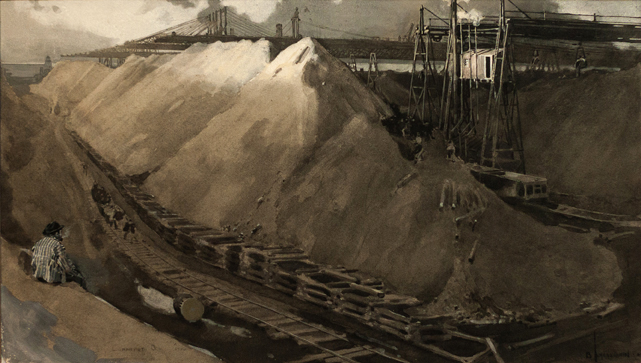
Ernest L. Blumenschein (1874-1960) was a founding member of the Taos Society of Artists, and is known for his stunning portrayals of the Southwestern landscape and people. In “Loading” the artist pays homage to his home state of Ohio. A lone figure smokes a cigarette and watches the activity at the Conneaut Mill across the tracks.

William Lumpkins- The Red Sky- Artfact Auctions

Lot 91: William Lumpkins (1909-2000)- The Red Sky
Starting bid: $400
Estimated price: $600-$1,000

William Lumpkins- Pink Handle- Artfact Auctions

Lot 97: William Lumpkins (1909-2000)- Pink Handle
Starting bid: $400
Estimated price: $600-$1,000

The Red Sky” and “Pink Handle” are from a series of never-before-seen artworks by legendary Santa Fe modernist William Lumpkins (1909-2002). The work was recently released from the collection of a Lumpkins family member, and also features a series of serigraphs.

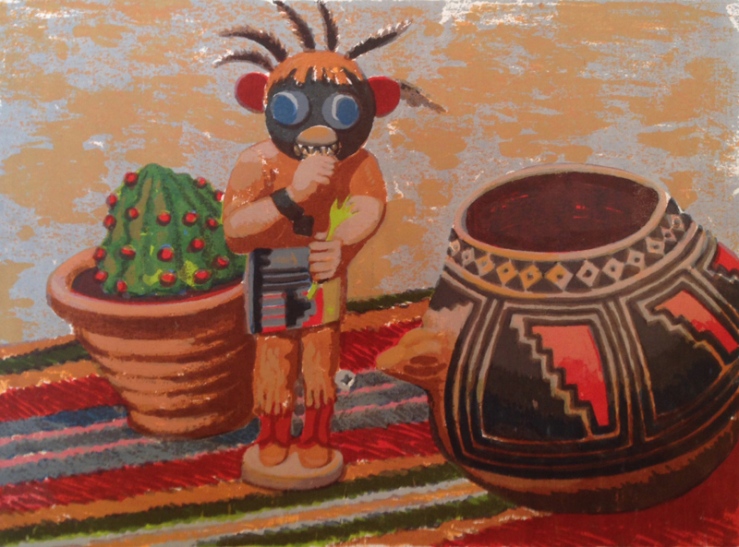
Ed Levin- Kachina- Artfact Auctions

Lot 102: Eli Levin- Kachina (after Louie Ewing)
Starting bid: $175
Estimated value: $400-$600

Contemporary Southwestern painter and printmaker Eli Levin pays tribute to legendary Santa Fe printmaker Louie Ewing (1908-1983) in this silkscreen of a Pueblo kachina doll. In the 1930s, Ewing received a grant from the WPA’s Federal Art Project to pursue printmaking, and is largely responsible for the enduring popularity of printmaking among contemporary Southwestern artists.

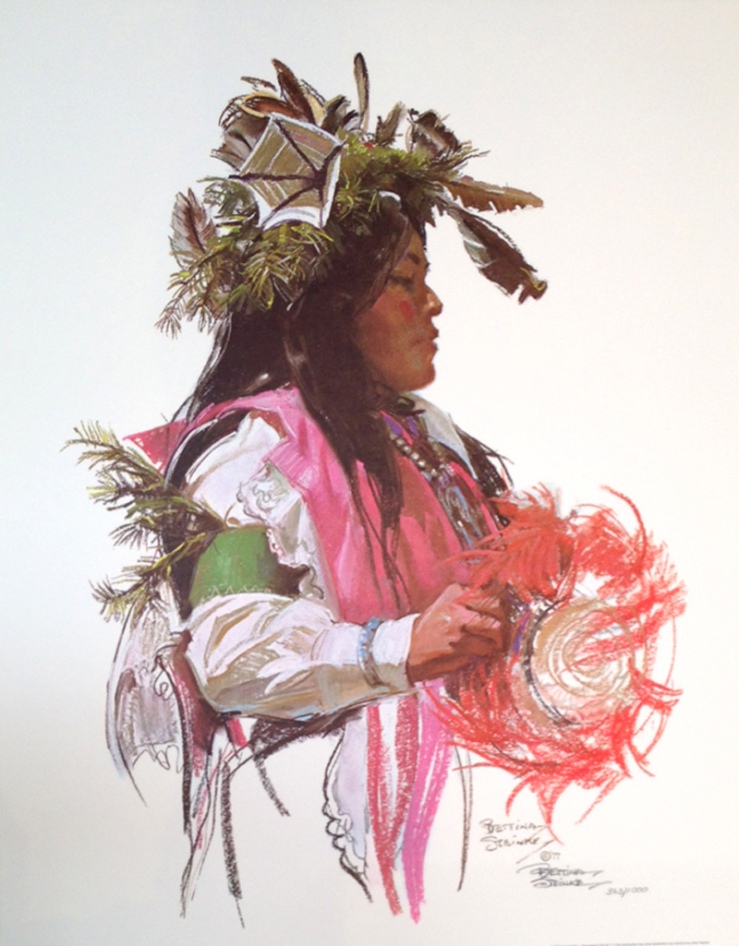
Bettina Steinke- Santa Clara Dancer- Artfact Auctions

Lot 106: Bettina Steinke (1913-1999)- Santa Clara Dancer
Starting bid: $50
Estimated value: $400-$500

Bettina Steinke (1913-1999) moved to Taos in the 1950s, where she opened a gallery with her husband and mentored young artists. She moved to Santa Fe in the 1970s. The artist was known for her vivid portraits of the Pueblo people, and was particularly interested in traditional Native dancers. Other historic New Mexico artists featured in the auction include Fremont Ellis, John McHugh and Hannah Holliday Stewart.

Check out the European, American and Southwestern Art Auction on Artfact to browse all 116 lots, and connect with us on Facebook, Twitter and Pinterest to see more highlights from the sale. The auction ends on November 17 at 7:00 pm.

STATE OF THE ART: A Survey of New Mexico Artists

The very first artists who came to work in New Mexico found themselves on a harsh frontier. Harold Elderkin and his wife moved to Santa Fe in 1886 to run a gallery and teach painting lessons, but left for El Paso two years later. An artist named George Stanley tried the same thing in 1897 and failed even faster.

The 1920s saw an influx of artists who had already established their careers on the East Coast. The Southwestern landscapes they sent home would build this region’s reputation for stunning natural beauty and great art. Nowadays, Santa Fe is one of the nation’s largest art markets and New Mexico is a magnet for artists from across the globe.

Though New Mexico has changed a lot since those first creative pioneers settled here, the independent spirit of the frontier lives on through art. Our April 5-18 exhibition “State of the Art”showcases the work of seven recognized contemporary masters who work in New Mexico. Their art may be as diverse as our desert sunsets, but it’s all influenced by the Land of Enchantment.

Jamie Chase moved to Santa Fe in 1980 from his home state of California. He initially found success here painting traditional landscapes, but started exploring other styles and subject matter as he developed his own visual vocabulary. His current work includes non-objective paintings, abstract landscapes and abstracted figurative paintings. “State of the Art” will feature his elegantly abstracted female figures, who roam among dazzling color fields in search of transcendence.

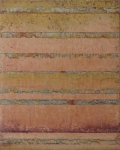
The landscape-based abstract paintings of Terry Craig are literally rooted in the earth. He uses powdered pigment, marble dust and other materials to explore the tension between careful geometric order and wild gestural strokes. The Albuquerque artist draws inspiration from colors and patterns he sees in nature, but when he puts brush to surface he surrenders to his subconscious.

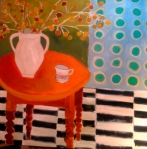
Annie O’Brien Gonzales was born and raised in Oklahoma and got her BFA in painting and art history at Oregon State University. She pursued fiber arts for many years but recently switched back to painting. You can still see traces of her fiber work in the bold patterns and colors she incorporates into her still life paintings.

Form and line, and observation, are the tools of the passage of my self-discovery,” says 89-year-old Santa Fe artist Robert W. Hinds. The sculptor worked as an illustrator and graphic designer before deciding to explore the third dimension. His bronze sculptures are of animals and people, and often show surreal interactions between them. Hinds’ abstracted style is contemporary, but the stories he tells through his sculptures recall Classical myths.

Frank Morbillo was raised on Long Island, but moved to Montana and then Santa Fe as a young adult. His sculptures speak the same language of entropy and change as New Mexico’s majestic rock formations, with an added element of political dialogue that you’ll find in his inquisitive titles. “I often find myself walking the line between artist and activist,” he says.

You’ll find old letters, candy wrappers, bits of string and other flotsam and jetsam in Kate Rivers‘ mixed media works. The artist, who grew up in Ohio and now lives in Santa Fe, uses these often overlooked objects to investigate memory and metaphor. Her most recent works are enormous collages made of dozens of stitched-together book bindings. Fragments of titles jumble together, encouraging new associations between the stories and characters behind them.

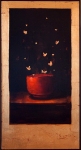
Diane White may be well versed in traditional still life techniques, but a closer look at her serene paintings of ceramic pots and other vessels will lead to fantastical discoveries. The Santa Fe artist, who worked for many years as a potter before studying painting at the Loveland Art Academy, weaves elements of magical realism into her works right under the viewer’s nose. Magical realism is a literary genre made famous by writers like Gabriel Garcia Marquez that illustrates extraordinary events in the context of a quotidian setting. Pay attention to every detail in White’s work and you’re sure to discover something supernatural, from a leaf transforming into a butterfly to a bouquet of lilies melding with the night sky above it.

State of the Art” opens Friday, April 5 from 5-7 pm and runs through April 18, 2013. Check out our Facebook and Twitter pages for more information.