PICTORIALISM: From Stieglitz to Curtis

Alfred-Stieglitz-Edward-Curtis-Art2

It was 1901 in New York City, and photographer Alfred Stieglitz (1864-1946) was busy preparing an exhibition that would shake the foundations of the art world. He had worked for years—often to the point of physical exhaustion—to elevate photography to the stature of fine art. A series of juried photography shows, judged mostly by painters, had popularized the aesthetic of pictorialism. Pictorialist photographers approached their art like a painter or illustrator, playing with focus and exposure in innovative ways and even marking the surfaces of their images. The idea was to “make” an image rather than “take” it, projecting emotions into the scene and onto the viewer.

Stieglitz and his friends saw the need for yet another leap forward in this new era of photography. They would mount a show composed entirely of photographs, and judged only by photographers. Or rather, it would be judged by one photographer: Stieglitz himself. He put together the show in two months and dubbed it the Photo-Secession, intending to secede from old conceptions of both photography and fine art. The exhibition was an enormous success, and gave Stieglitz the momentum to launch a photography journal and gallery to promote his ideas.

Pictorialism- Alfred Stieglitz to Edward Curtis- Matthews Gallery Blog


From left: View of Stieglitz’s Little Galleries of the Photo Secession, which opened in 1905;
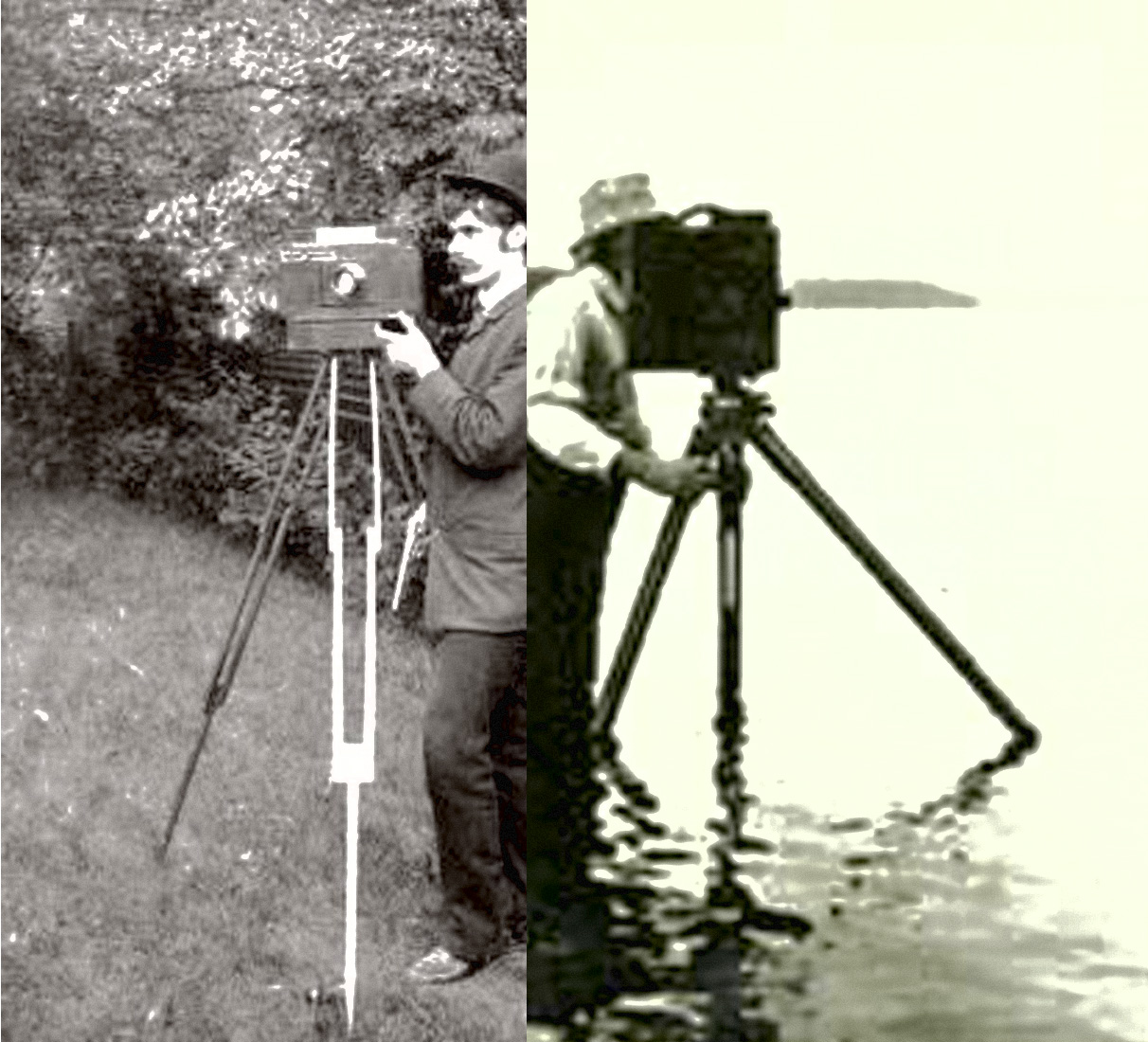
Edward S. Curtis in his adventure clothes.

Thousands of miles away in Seattle, Edward S. Curtis (1868-1952) was just beginning his photography career. Curtis grew up in Wisconsin and built his first camera when he was a teenager. At 17 he apprenticed in a photography studio in St. Paul, Minnesota, and when his family moved to Seattle in 1887, he bought a partnership in a portrait studio. Over the next few years, he began photographing Native American people of the Washington territory, some of them relatives of Chief Sealth and other important leaders. These early portraits and genre scenes inspired a 30-year adventure through the American West, during which Curtis and his team recorded the lives of over 80 tribes in photographs, writings, recordings and sketches.

Curtis’ expeditions, which he recorded in a series of volumes called The North American Indian, kept him far away from the epicenter of the American avant-garde where Stieglitz resided. “He was an outsider, too far removed from the photographic salons to court or count on ready shows and reviews that had instituted pictorialist photography,” writes Gerald Vizenor in an essay on Curtis. However, it’s this aesthetic that ties Stieglitz and Curtis together in art history.

“Curtis kept abreast of national, even international, trends in photography—and in the visual arts more generally,” writes Mick Gidley. “His early writings for Seattle magazines reveal that he absorbed much from Pictorialism in photography, including the example of Alfred Stieglitz, the founder of the Photo-Secession.” Curtis’ earliest photographs of Native peoples feature the soft focus and sepia tone of some classic pictorialist images, and present his subjects as stoic archetypes of a vanishing culture. In his many adventures, Curtis often posed his subjects and manipulated images to fit his vision of the tribes he was portraying. These techniques have earned Curtis praise as a pictorialist, but have also stirred up controversy. Curtis called himself an ethnologist, but the aesthetically powerful images he created didn’t always aim for scientific accuracy.

In the collection of photographs below, we’ve reunited Curtis with his pictorialist roots, placing some of his most iconic images among significant works by Stieglitz and his contemporaries. As you view the images, ponder Curtis’ position as an outsider during his lifetime, and his new place as a pictorialist in the art history books…
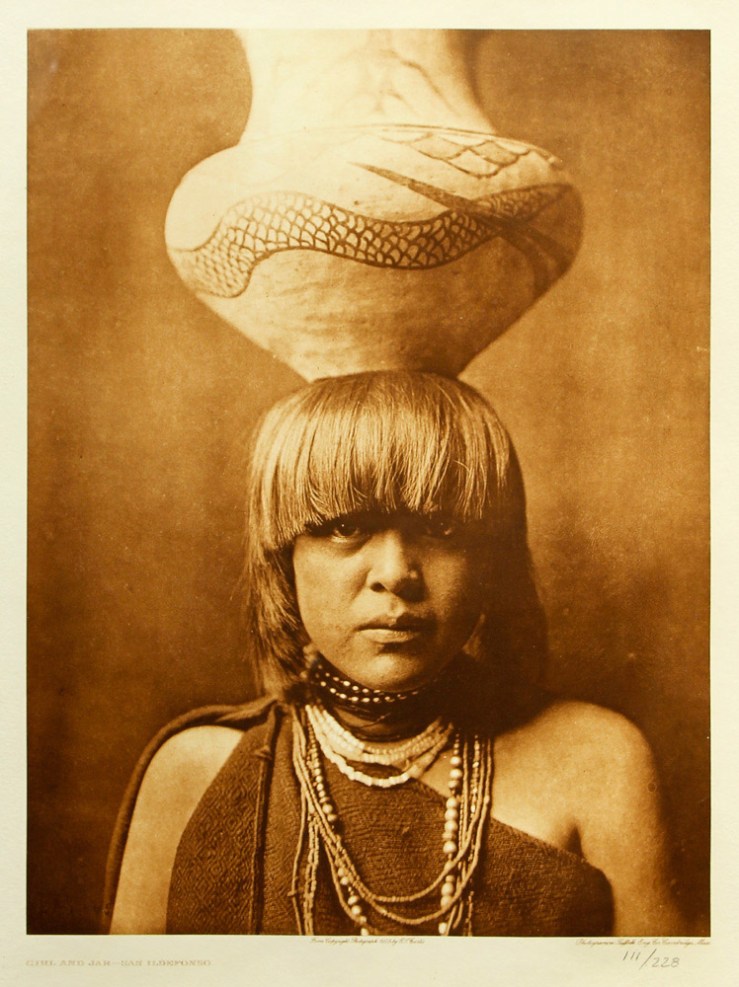
Edward S Curtis- Girl and Jar Photogravure- Matthews Gallery Blog

Edward S. Curtis, Girl and Jar, Photogravure

Adolph de Meyer- Marchesa Casati- 1912- Pictorialism- Matthews Gallery Blog

Adolph de Meyer, Marchesa Casati, 1912

Edward S Curtis- Apache Medicine-Man Photogravure- Matthews Gallery Blog

Edward S. Curtis, Apache Medicine-Man, Photogravure
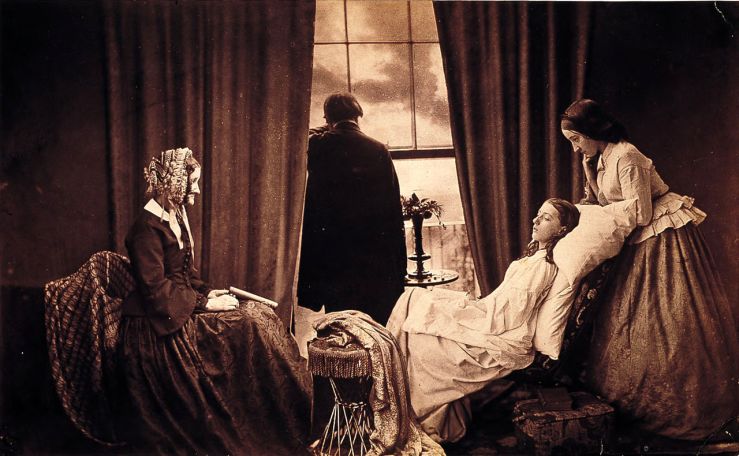
Henry Peach Robinson- Fading Away- 1858- Pictorialism- Matthews Gallery Blog

Henry Peach Robinson, Fading Away, 1858
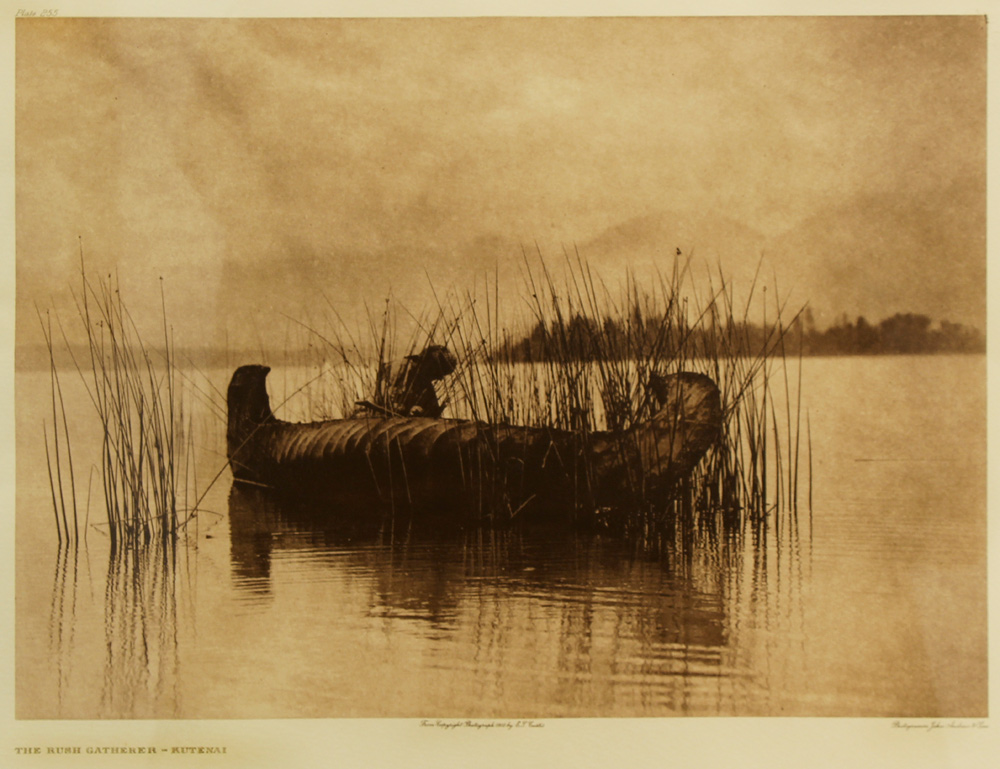
EdwardCurtis-Art-TheRushGatherer

Edward S. Curtis, The Rush Gatherer, Photogravure
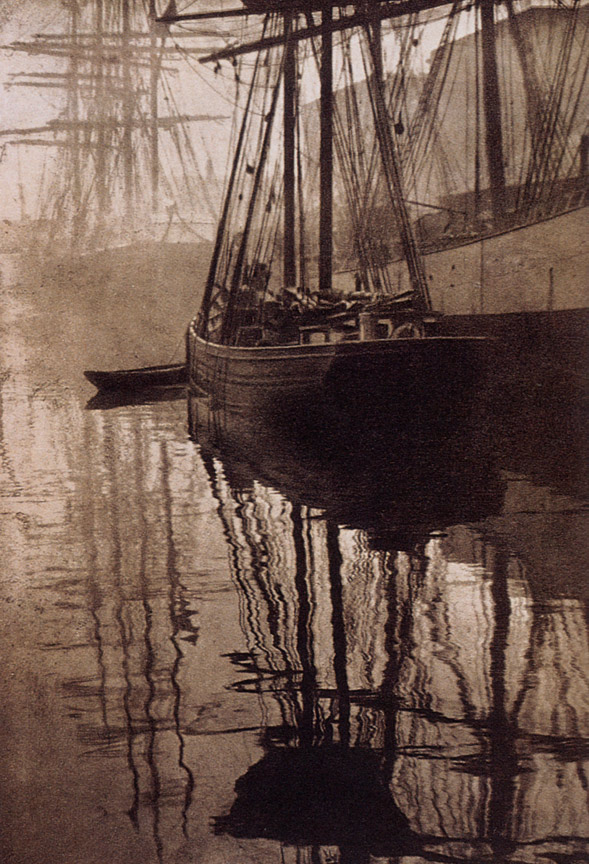
Alvin Langdon Coburn- Spiderwebs- 1908- Pictorialism- Matthews Gallery Blog

Alvin Langdon Coburn, Spiderwebs, 1908
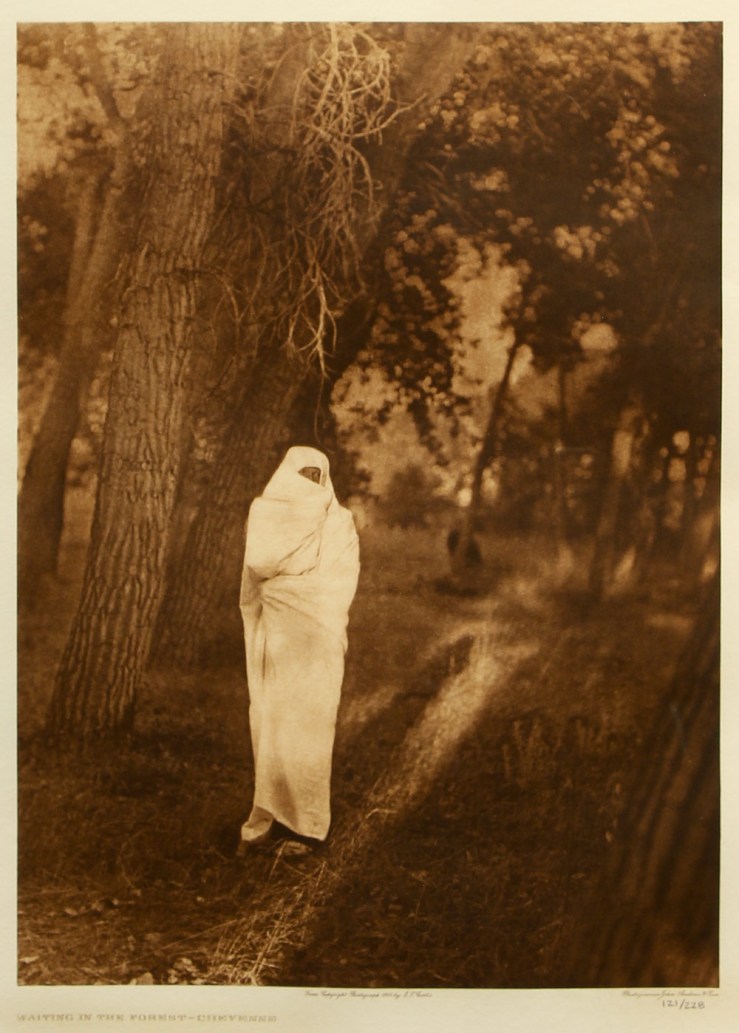
Edward S Curtis- Waiting the Forest-Cheyenne Photogravure- Matthews Gallery Blog

Edward S. Curtis, Waiting in the Forest— Cheyenne, Photogravure
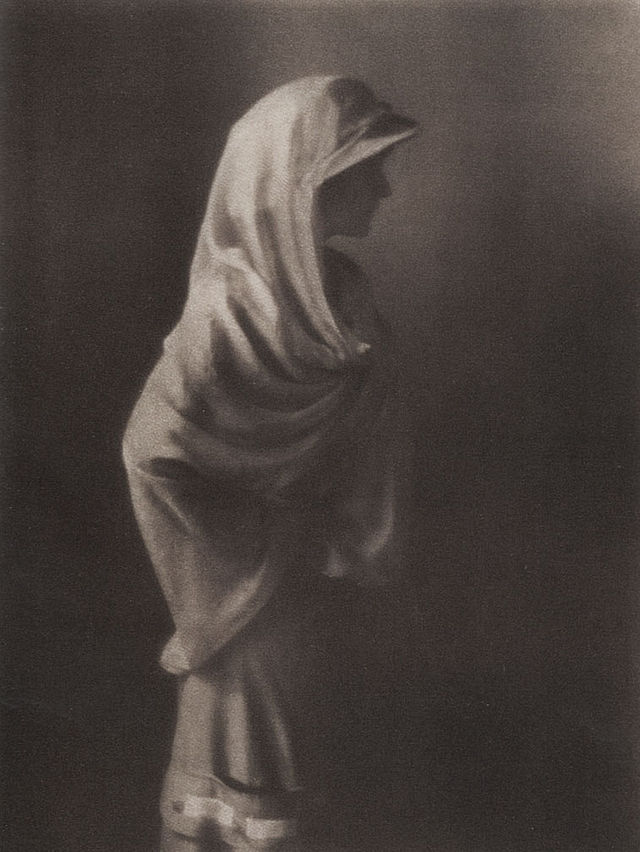
Paul Haviland- Doris Keane- 1912- Pictorialism- Matthews Gallery Blog

Paul Haviland, Doris Keane, 1912

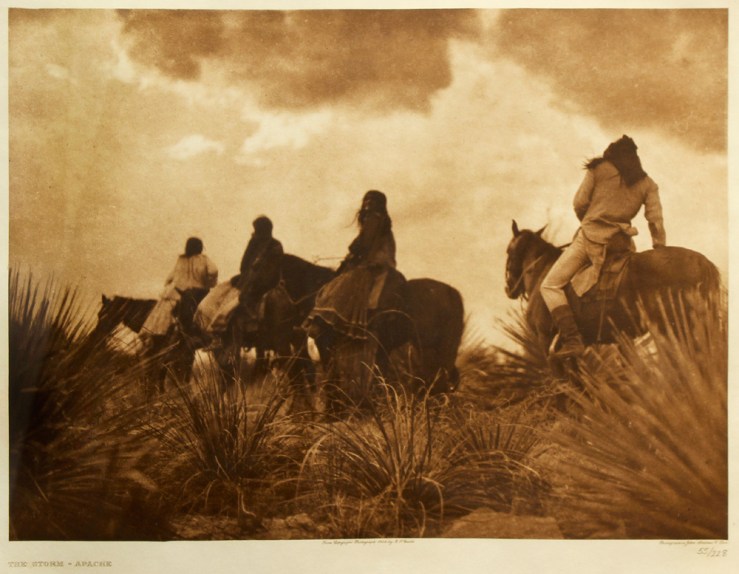
Edward S Curtis- The Storm-Apache Photogravure- Matthews Gallery Blog

Edward S. Curtis, The Storm-Apache, Photogravure
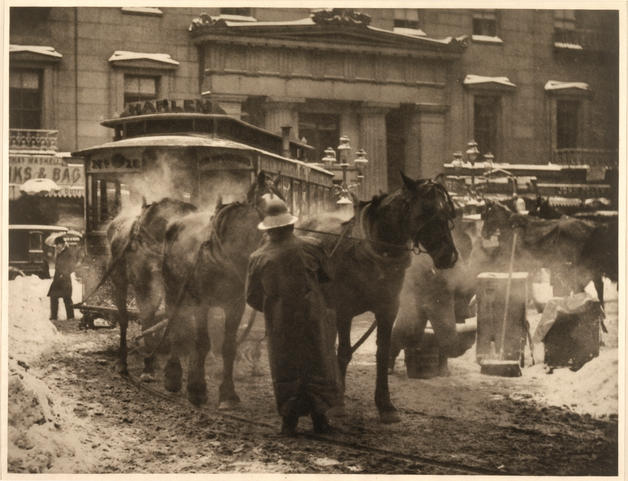
Alfred Stieglitz- The Terminal- 1893- Pictorialism- Matthews Gallery Blog

Alfred Stieglitz, The Terminal, 1893

Click here to learn more about Edward S. Curtis, his adventures and the rediscovery of his work in the 1970’s, and connect with us on Facebook, Twitter and Instagram for daily gallery news.
SPRING OF MODERNISM

We’ve had some unseasonably warm days after last weekend’s snowstorm, and it’s making us excited for the end of winter. It’s the perfect time to release our spring exhibition schedule, which is a period of exciting growth at Matthews Gallery.

In light of Georgia O’Keeffe Museum’s brilliant Modernism Made in New Mexico exhibition and New Mexico Museum of Art’s recent emphasis on Southwestern modernists, we’re declaring a ‘Spring of Modernism’ in Santa Fe. It begins with our exhibition of influential New Mexico modernists, and features women artists of new mexico, rare artifacts from legendary artists’ studios and much more. Check it out:

Spring of Modernism Show- New Mexico Modern Art- Matthews Gallery

Spring of Modernism: Seminal New Mexico Modernists
March 6-31, Opening Reception: Friday, March 6, 5-7 pm

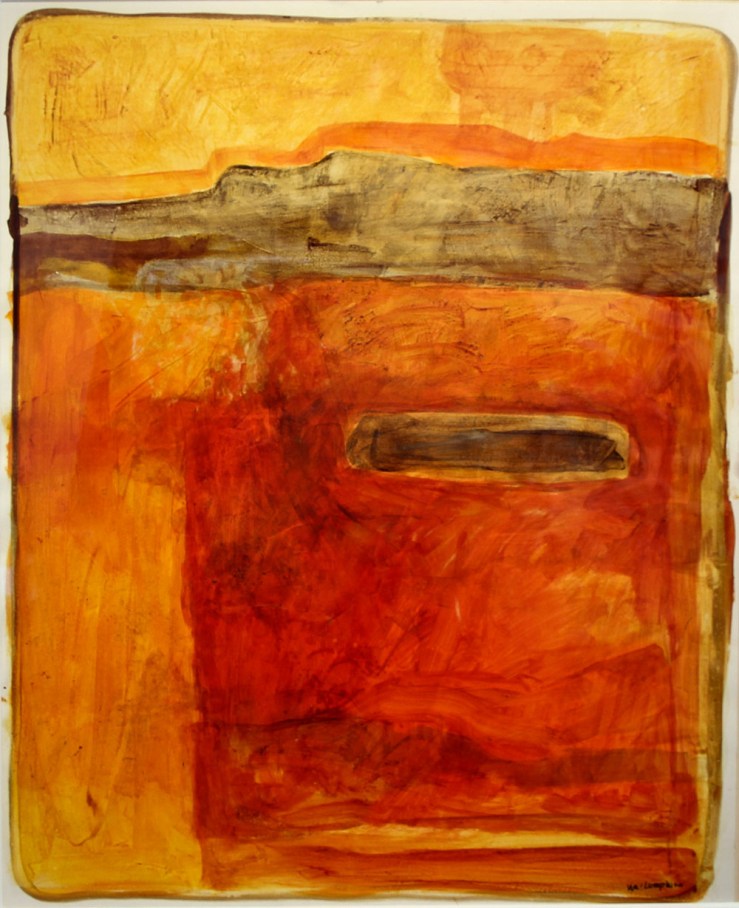
Matthews Gallery declares a “new spring” of modernism, as this rich period in New Mexico art history returns to the spotlight. Featured artists include Emil Bisttram, William Lumpkins and Raymond Jonson of the Transcendental Painting Group, Alfred Morang and Randall Davey of the Santa Fe art colony, and Beatrice Mandelman of the Taos Art Colony.

Collectors Forum- Art Collecting Workshop- Matthews Gallery Blog

Collector’s Forum Workshop
April 17, 6:30 pm

We offer an inside look at art collecting for this special Art Matters event. The workshop is for anyone who’s ever considered buying, selling or caring for fine art and has questions about the inner workings of the art world. Forum participants will get an inside look at every step of the process from one of Santa Fe’s top galleries. The event is free but seating is limited, so give us a call if you’d like to participate – 505-992-2882. Read about our past Collector’s Forum workshops here and here.

New Landscapes New Vistas- New Mexico Women Artists Show- Matthews Gallery

New Landscapes, New Vistas: Women Artists of New Mexico 
May 8-31, Opening Reception: Friday, May 8, 5-7 pm

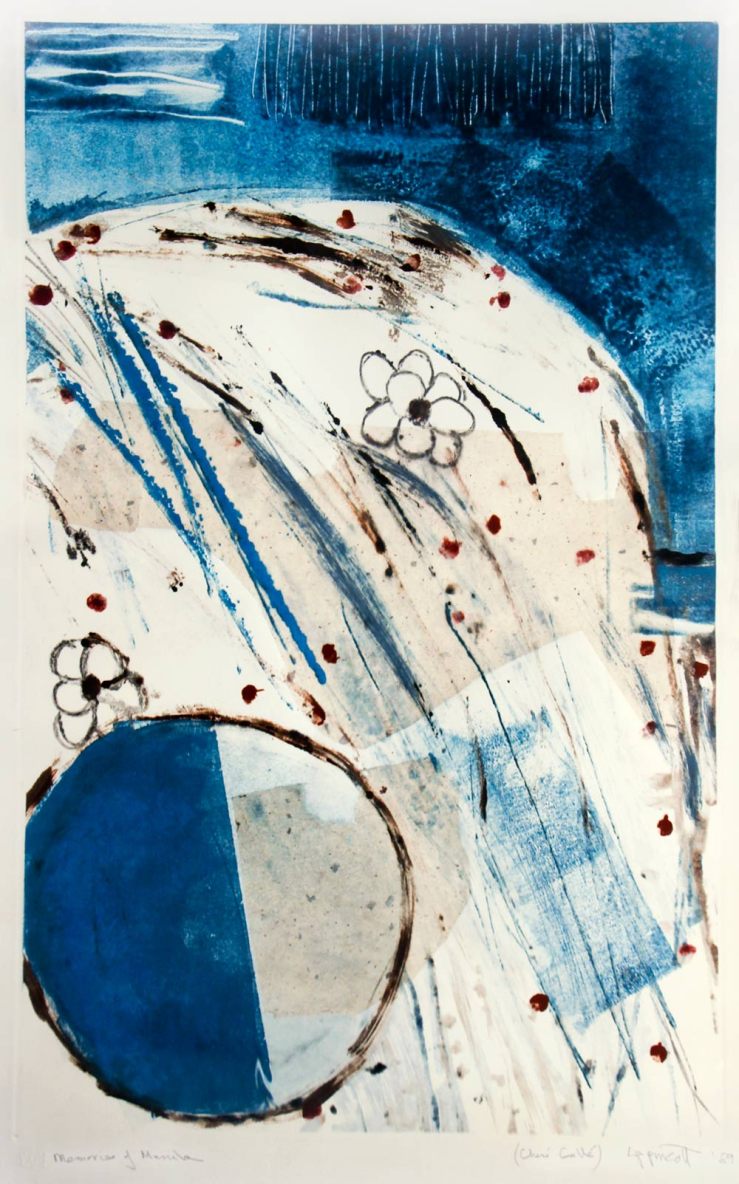
In the first half of the 20th century, a number of women artists who were frustrated by a lack of the recognition on the East Coast packed up and left everything behind. In New Mexico’s isolated art colonies, they found the freedom and social acceptance to excel. Matthews Gallery presents the stories and artwork of Janet Lippincott, Agnes Sims, Doris Cross and other women who found a powerful voice in the Land of Enchantment.

Artists Toolbox- Artwork and Artifacts of New Mexico Artists- Matthews Gallery

The Artist’s Toolkit: New Mexico Artists at Work 
June 4-10, Opening Reception: Friday, June 5, 5-7 pm

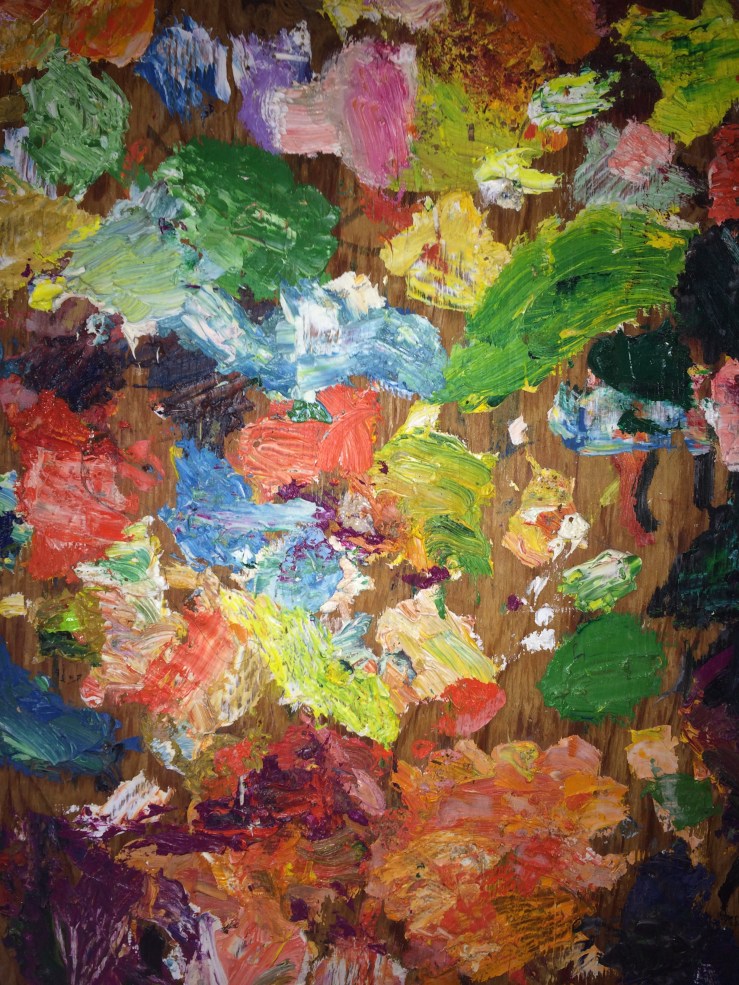
This special exhibition features rare artifacts of legendary New Mexico artists alongside their work, giving visitors insight into the complex process of conceptualizing, mixing and applying color. Visitors will get a once-in-a-lifetime opportunity to view Tommy Macaione’s paint palette, John McHugh’s brushes, Alfred Morang’s notes on color, Hilaire Hiler’s color wheel and other behind-the-scenes ephemera from Santa Fe private collections.

Widening the Horizon- New Mexico Landscape Show- Matthews Gallery Blog

Widening the Horizon: New Mexico Landscapes
June 12-30, Opening Reception: Friday, June 12, 5-7 pm

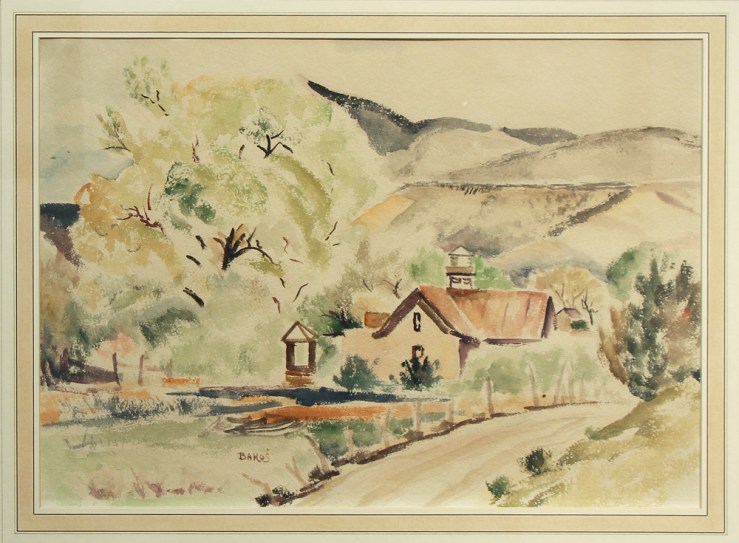
New Mexico’s endless vistas offer an opportunity and a challenge to artists. Matthews Gallery looks back at legendary artists’ attempts to capture and reimagine the High Desert horizon, from early Santa Fe and Taos art colonists including Datus Myers and William Vincent Kirkpatrick, to modernists including William Lumpkins and Beatrice Mandelman, who evoked the spirit of the landscape through the language of abstraction.

Learn more about our exhibition schedule here, and connect with us on Facebook, Twitter and Pinterest for daily gallery news.
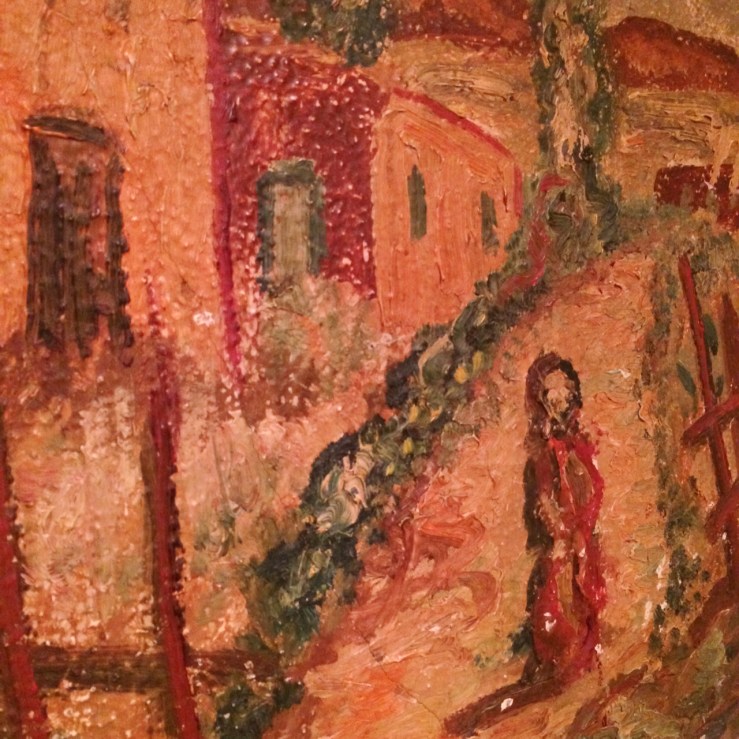
BIRTH OF AN ARTIST: Three Mentors of Eric Sloane

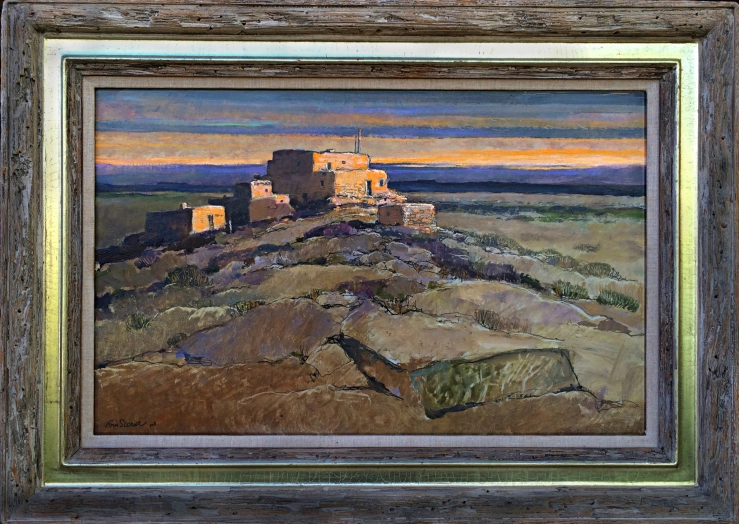
Eric Sloane- Hopi Country- Oil on Panel- Matthews Gallery Blog

PROLOGUE

When a historic artwork enters our collection, it’s the first clue in a grand investigation. A painting is a concrete piece of evidence that links to the artist’s evolutionary chain, leading us back through the years.

Eric Sloane’s Hopi Countrypictured above, helped us trace its creator from New Mexico to his hometown of New York City. Along the way we met three of Sloane’s mentors, who are all revered figures in American history.

Frederic W Goudy- Mentor to Eric Sloane- Matthews Gallery Blog

FREDERIC W. GOUDY

Eric Sloane was born Everard Jean Hinrichs in New York City in 1905. Meanwhile in Chicago, Sloane’s future mentor Frederic W. Goudy was experiencing a late-in-life rebirth. At 40 years old, he had quit his job as an accountant to open a publishing house called Village Press with his friend Will Ransom. He learned how to design typefaces and began building a portfolio.

“[Goudy started] almost from scratch at an age when most men are permanently set in their chosen vocations,” wrote Popular Science in 1942. Goudy’s new path would lead him from Chicago to Boston to New York, where he moved in next door to young Sloane.

As Goudy’s career took off with a series of hit typefaces—Kennerly Old Style, Goudy Old Style, Copperplate Gothic—young Sloane learned the tricks of the trade. Goudy would design 122 typefaces in his lifetime, topping Gutenberg and Garamond. His painting lessons for Sloane soon launched one of the great adventures of the budding artist’s life. But first, a scholarly interlude.

John Sloan- Mentor to Eric Sloane- Matthews Gallery Blog

JOHN SLOAN

Sloane changed his name while studying at the Art Students League of New York. He took the middle letters of “America” for his first name, and tweaked the surname of his mentor John Sloan. Sloan encouraged his students to adopt pseudonyms in order to sever ties with their earlier, less accomplished work. He was a passionate and sometimes volatile teacher who believed in art for art’s sake.  “I have nothing to teach you that will help you to make a living,” he would tell his students. Although he was a well-known artist who participated in groundbreaking exhibitions like the 1913 Armory Show, his artwork rarely sold.

Sloan’s circle came to be known for their realist depictions of poor neighborhoods in New York. Sloane never took to this subject matter, but finding a new name was transformative for the young artist. With his patriotic moniker and the skills he’d picked up from Goudy, he took off across the country in the summer of 1923, painting sings on barns and stores to make ends meet. Two years later he took another, longer adventure to New Mexico, one of Sloan’s favorite vacation spots.

Much like other students of Sloan, the light and colors of the New Mexico inspired Sloane to push his art in a new direction. He picked up oil painting and learned to capture the light, color and endless expanses of the High Desert, and returned to Long Island in 1927 with a new sense of purpose.

Wiley Post- Mentor to Artist Eric Sloane- Matthews Gallery Blog

WILEY POST 

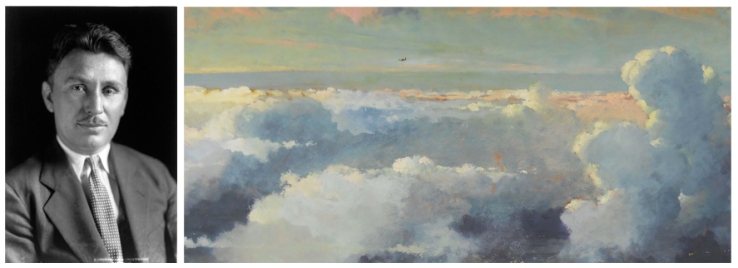
Sloane grew up during the Golden Age of Aviation. By 1933, his fascination with aircrafts lead him to a job at the Half Moon Hotel, which was close to Long Island’s Roosevelt Field. The aviators who stayed at the inn became some of Sloane’s first patrons, paying him to make oil paintings of their planes. Aviator Wiley Post was so impressed by Sloane’s work that he offered to swap flying lessons for painting lessons.

Post had trained to be an aviator during World War I, but the war ended before he entered active duty. He worked as a parachutist for a flying circus and a barnstormer before becoming a private pilot for wealthy Oklahoma oilmen. The job earned him enough money to set out on a worldwide adventure, and he became the first pilot to fly solo around the globe.

Sloane was so inspired by his flights with Post that he began painting the sky, as seen from the cockpit of a plane. Amelia Earhart bought the first work in this new series, and one of Sloane’s largest cloud paintings is now in the permanent collection of the Smithsonian Air and Space Museum. At 28 years old, Sloane had grown from an eager student to a full-fledged master.

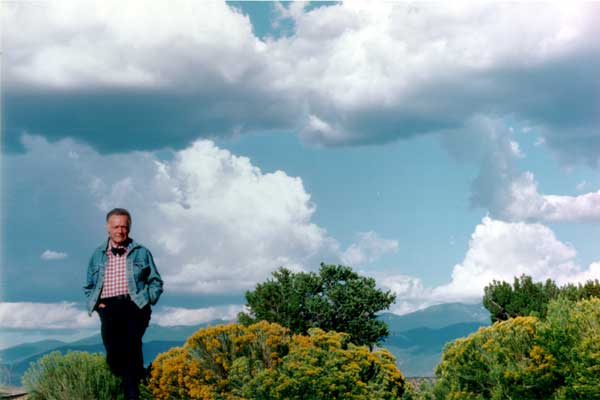
Artist Eric Sloane under a New Mexico Sky- Matthews Gallery Blog

EPILOGUE

Sloane started painting landscapes in the style of the Hudson River School, a mode that fit his fascination with turbulent weather. Beginning in the 1950’s, he took up residence in Taos for part of each year. He built a home in La Tierra, New Mexico in 1975. Sloane captured the light and color of the Land of Enchantment with boundless enthusiasm. Hopi Country features every brilliant hue in a Land of Enchantment sunset.

Over the course of his career, Sloane produced over 15,000 artworks and 38 illustrated books. He died of a heart attack in 1985 on the steps of New York’s Plaza Hotel, on his way to a luncheon in his honor. The event was a celebration for the release of his biography, ‘Eighty: An American Souvenir.’

It’s quite a tale, and it all unwound from a single oil painting on our wall! Learn more about Eric Sloane on our website, and make sure to connect with us on Facebook, Twitter and Flickr for daily gallery news.
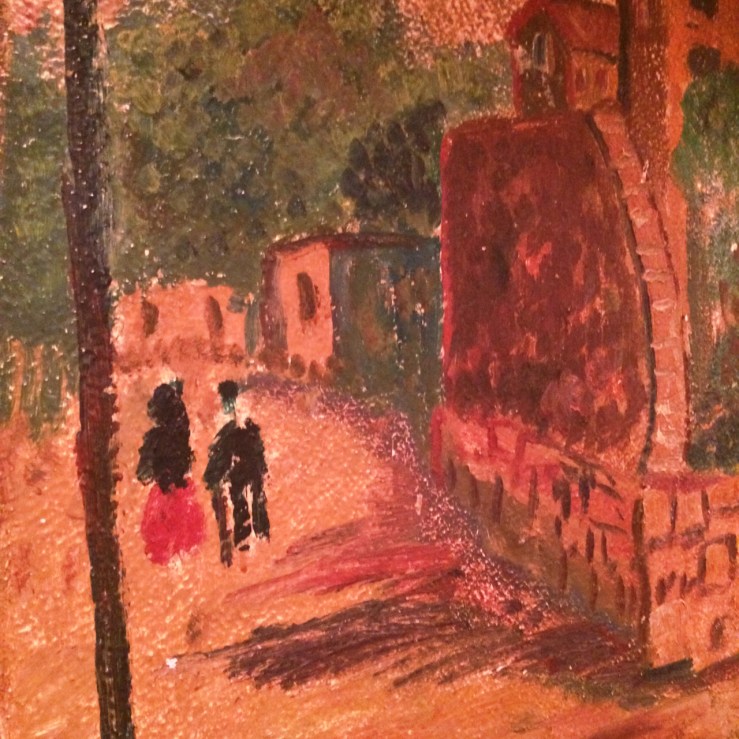
New Mexico Connections: Hondius and Cowles

Cowles-Dasburg-Hondius-ArtistsFrom top: Cowles, Dasburg and Hondius 

You’d be surprised at how often we find New Mexico links in the biographies of our historic artists, even if they never lived here. The latest paintings to appear on our walls are good examples. Gerrit Hondius and Russell Cowles were celebrated modern artists in New York: both exhibited at the Museum of Modern Art and the World’s Fair, and their works are now part of the permanent collections of numerous major museums. Their mutual friend Andrew Dasburg, whose career also took off in New York, would move to Santa Fe in 1921 and help usher in the region’s modernist period.

It goes to show that New Mexico was a major player in the American modernist movement, far beyond Georgia O’Keeffe’s significant contributions. Read on to learn more about these influential artists and their ties to the Land of Enchantment…

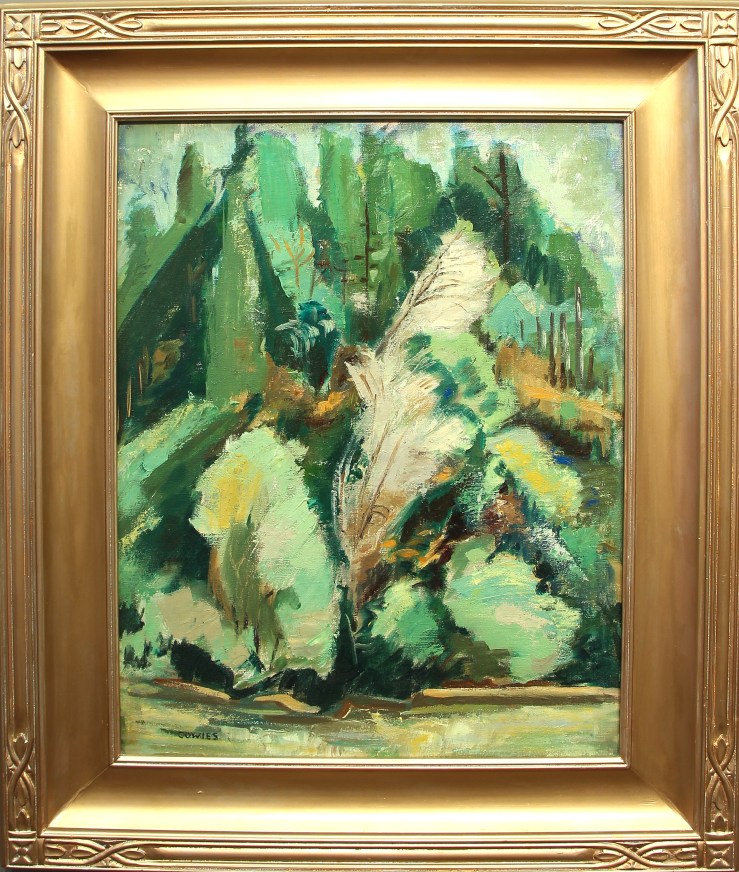
Russell Cowles- Untitled Modernist Landscape- Matthews Gallery Blog

Russell Cowles, Untitled (Modernist Landscape), Oil on Panel

“When an artist sees something he wants to paint, his first step should be to look- to look long and sensitively- to feel what nature has to say,” said Russell Cowles (1887-1979). Wherever the modernist set up his easel—from New Mexico to East Asia—he followed this philosophy with the passion of an artist and the intellectual focus of a scholar.

The Iowa-born artist graduated from Dartmouth College in 1909. He studied painting in Paris and Rome, drawing inspiration from the artwork of Cezanne and Gauguin. Cowles returned to the United States in 1920, exhibiting his artwork at the Metropolitan Museum of Art soon after. In 1925, he received a medal from the Art Institute of Chicago. These honors marked the beginning of a long and illustrious career that took Cowles as far as China to study with a master of Chinese painting, and Bali to experiment with abstract painting.

Cowles began living in Santa Fe for part of each year in 1930, and befriended John Marin, Andrew Dasburg, Marsden Hartley and other New Mexico modernists. He received a prize at the World’s Fair in New York City in 1937, and his artwork appeared in LIFE Magazine in 1948. He died in New York City in 1979.

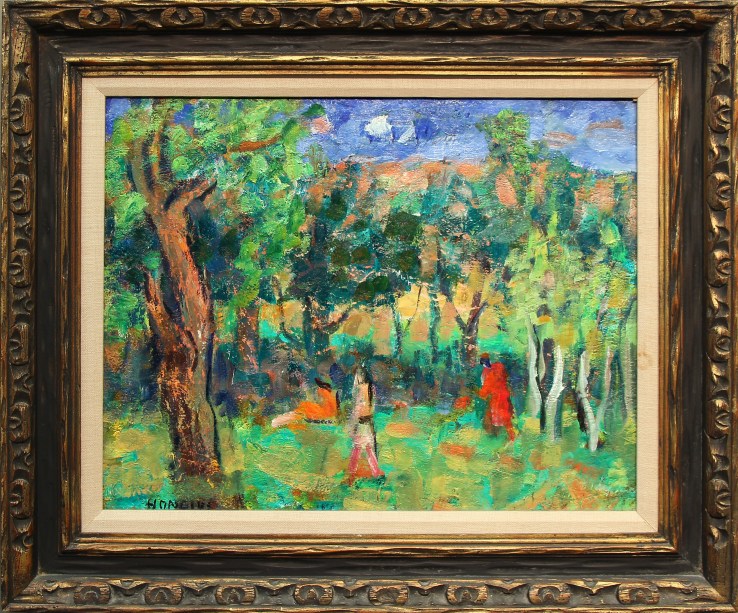
Gerrit Hondius- Untitled Modernist Landscape- Matthews Gallery Blog

Gerrit Hondius, Untitled (Modernist Landscape), Oil on Panel

Gerrit Hondius (1891-1970) was born in the Netherlands and studied painting at the Royal Academy in The Hague. It was there that he developed a passion for Georges Rouault and the French expressionists, but he found a true match for his style and creative energy in New York City.

Hondius moved to New York in 1915, and studied at the Art Students League with Max Weber and Andrew Dasburg. He first caught the eye of the art world with a massive WPA mural in brilliant Fauvist and expressionist hues. In the mural, colorful city people tangled with masked figures, clowns and ballerinas, inviting Old World allegorical figures to frolic in the capital of New World modernity.

In the following years, Hondius split his time between New York and Provincetown, Massachusetts, and exhibited at the Whitney Museum of American Art, the World’s Fair, the Museum of Modern Art, Rockefeller Center and over fifty other venues across the United States and Europe. His artwork is in the permanent collections of the San Francisco Museum of Art, the Whitney Museum and other institutions across the world. His wife Paula donated his sketchbooks, letters and other personal effects to the Smithsonian Institution after his death.

Check out our website to learn more about Gerrit Hondius and Russell Cowles, and connect with us on Facebook, Twitter and Flickr for daily gallery news.
MORANG AND FRIENDS: Ghost Stories

El Farol- A Toast to Morang- Matthews Gallery Blog

“There are ghosts at El Farol, there’s no question about it,” says Freda Keller with a playful smile. “There’s been a lot that’s happened over the years. In 1835 there were gunfights in the bar. People hear and see ghosts late at night.”

Keller is the general manager at Santa Fe’s oldest restaurant and cantina, and we’re on a hunt for a particular ghost. Alfred Morang (1901-1958) often haunted the establishment in his years among the living. This Thursday, El Farol and Matthews Gallery are throwing a special toast to his lingering spirit in the cantina, where Morang painted a series of stunning murals. The event will christen our December 12-26 exhibition MORANG AND FRIENDS, which features rare artwork and artifacts from the man who was known as Santa Fe’s Toulouse-Lautrec.

El Farol- A Toast to Morang- Matthews Gallery Blog

“The biggest thing with El Farol, the reason why it’s been around so long, is that it’s family driven,” Keller says. “I think the customers feel like they’re family, and obviously [Morang] did too. Being an artist and offering to do these murals, you would have to be part of the family of El Farol.”

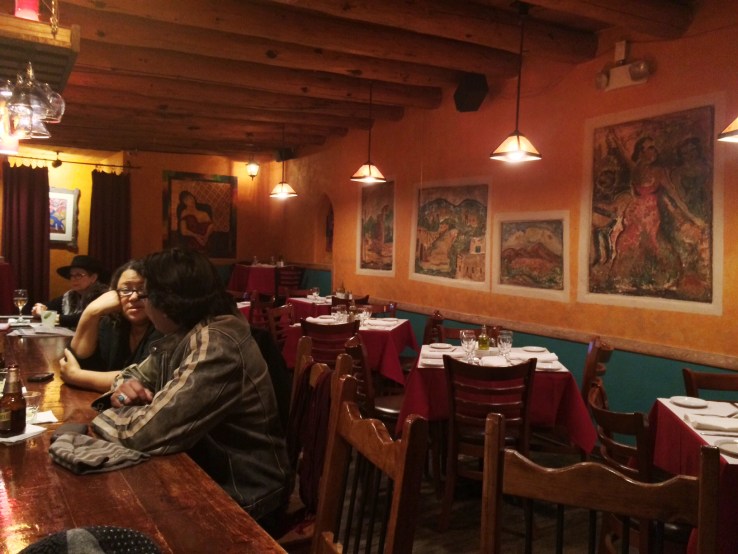
Like any proud clan, the El Farol staff is always happy to take guests on an art tour through their cozy rooms. In addition to Morang’s works, there are murals and paintings by Santa Fe legends William Vincent (a student of Morang), Stan Natchez, Sergio Moyano and Roland van Loon. Keller produces a little fact sheet that helps everyone keep the stories straight. Here’s the write-up on Morang:

El Farol- A Toast to Morang- Matthews Gallery Blog

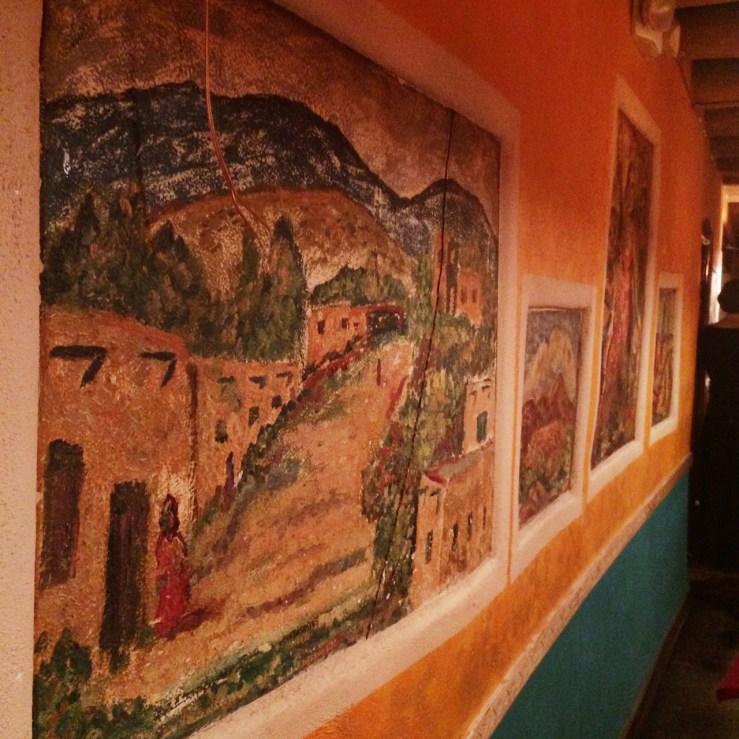
When you enter our rustic cantina, one of the first things to catch your eye will be the beautiful murals displayed throughout. The first artist to grace our walls was Alfred Morang.  On the long west wall of the bar and one behind the bar, are our oldest murals were painted between 1948 and 1952. Mr. Morang was already an established artist when he frequented El Farol during that period. He painted the murals to settle his tab at El Farol.  The scenes are of local landscapes and adobe homes in Santa Fe. We’ve chosen to reproduce our most famous mural of the flamenco dancer in the red dress accompanied by a guitarist as our poster for the 2004 Muralist dinner.  From 1968 to 1980 the owner at the time covered the murals with paneling.  When Bob Ward purchased El Farol in 1980 he removed the paneling to discover the beautiful murals beneath.  When David Salazar purchased El Farol in 1985 he was always mindful of the treasures on the walls.  Painting, re-stucco and remodeling were completed while protecting the murals.

Then comes the part of the tour that sends chills up our spines. Do you believe in ghosts? Maybe this will convince you:

On Easter morning in 1997 David and the staff were awakened by phone calls that El Farol had been burned.  The murals, though singed, had made it through the fire.

Morang died in a 1958 studio fire, so the news that some of his most notable works survived a blaze decades later is eerie to say the least. We walk over to the cantina to view the murals. When the hostess hears us mention Morang’s name, she lights up.

El Farol- A Toast to Morang- Matthews Gallery Blog

“That’s right, the murals still have burn marks on them from the fire,” she says, pointing out subtle passages of missing pigment that were lost to the flames. “They still don’t know how that fire started. They think someone may have set it.”

El Farol has long since been restored to its elegant Old West aesthetic, much as it was when Morang would stop by for a shot of cognac and draw inspiration for his impressionistic paintings of Santa Fe’s wild 1940’s nightlife. On Thursday at 6:30 PM, Keller will join the gallery staff to tell stories and toast the artist with a new “Alfred’s Special” cocktail.

El Farol- A Toast to Morang- Matthews Gallery Blog

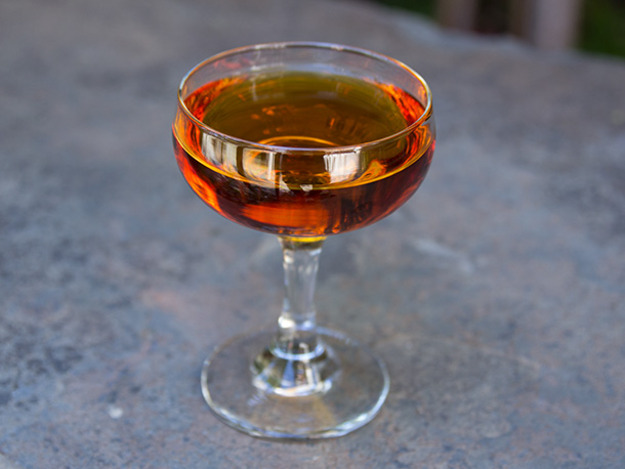
“I read up on Morang and learned that he was born in Maine, and how beautiful the landscapes are there,” says Keller. “He did a lot of painting there. His first inspiration was that landscape.” Keller selected a cocktail called Remember the Maine (with rye whiskey, Cherry Heering liqueur and a splash of absinthe) in honor of Morang’s home state. Come have a drink and time travel with us to a true Santa Fe golden age!

Learn more about our Toast to Morang event on the El Farol website and on our gallery homepage, and connect with us Facebook, Twitter and Instagram to learn more about Morang.

SCULPTOR’S PROCESS: Frank makes a fountain

Frank Morbillo- Sculptor- Matthews Gallery

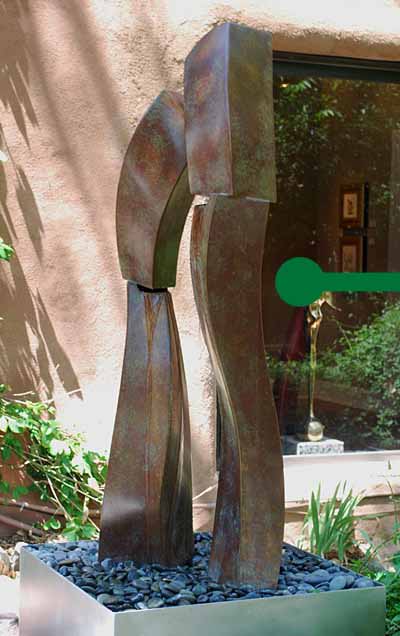
It all started with a sculpture you may recognize if you’ve been to Matthews Gallery in the past few years. Frank Morbillo‘s ‘Complement’ was a fountain that stood outside our building for a time, enchanting Canyon Road tourists with its elegant lines and soothing sounds:

Frank Morbillo- Complement- Matthews Gallery

“It was inspired by the figure, a relationship between people or entities,” says Frank. “The two sides have a connection in terms of how the line of one complements the line of the other.”

Two gallery visitors who were particularly charmed by the sculpture kept it in mind as they built their new home. Nearing the end of construction, they got in touch with Frank and asked him to create a similar piece for their front entryway. Just like the two pillars of the sculpture, Frank says the commission was all about maintaining a carefully balanced dynamic.

“During the course of the commission, I am constantly sending images that are going back and forth between myself and my client,” the artist explains. “Six times throughout this process or more, we were exchanging information and tweaking and getting approval.”

Below you’ll see images from their correspondence, starting with a cardboard model and ending with the stainless steel fountain in its beautiful new space. Follow Frank on his artistic journey…

Frank Morbillo- Artist Process- Matthews Gallery Blog


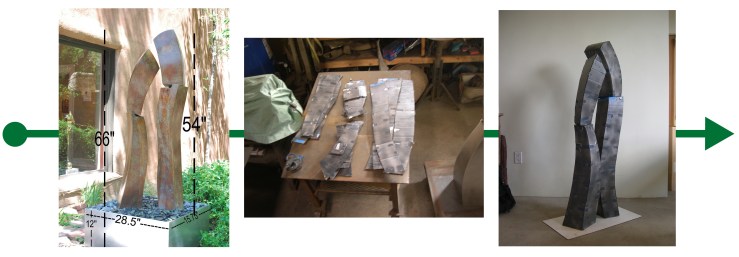
First, Frank marked up an image of the original sculpture (left). ‘Complement’ was larger than his clients wanted, so he adjusted the scale and used the new measurements to resize some cardboard cutouts from the original project (center). The new, smaller cardboard pieces came together to create a full-scale model of the new piece (right).

“When I’m building it in the studio, it’s important to have the model at the level that it’s going to be viewed. In the clients’ home, it’s going to be up a few steps from the ground level. I elevated it to make sure the proportions were working. I want there to be a good interaction of elements.”

“Different materials make the water flow differently. A rough material creates some surface tension, while a slick material will let the water run very fast.”

 Frank Morbillo- Sculpture Process- Matthews Gallery blog
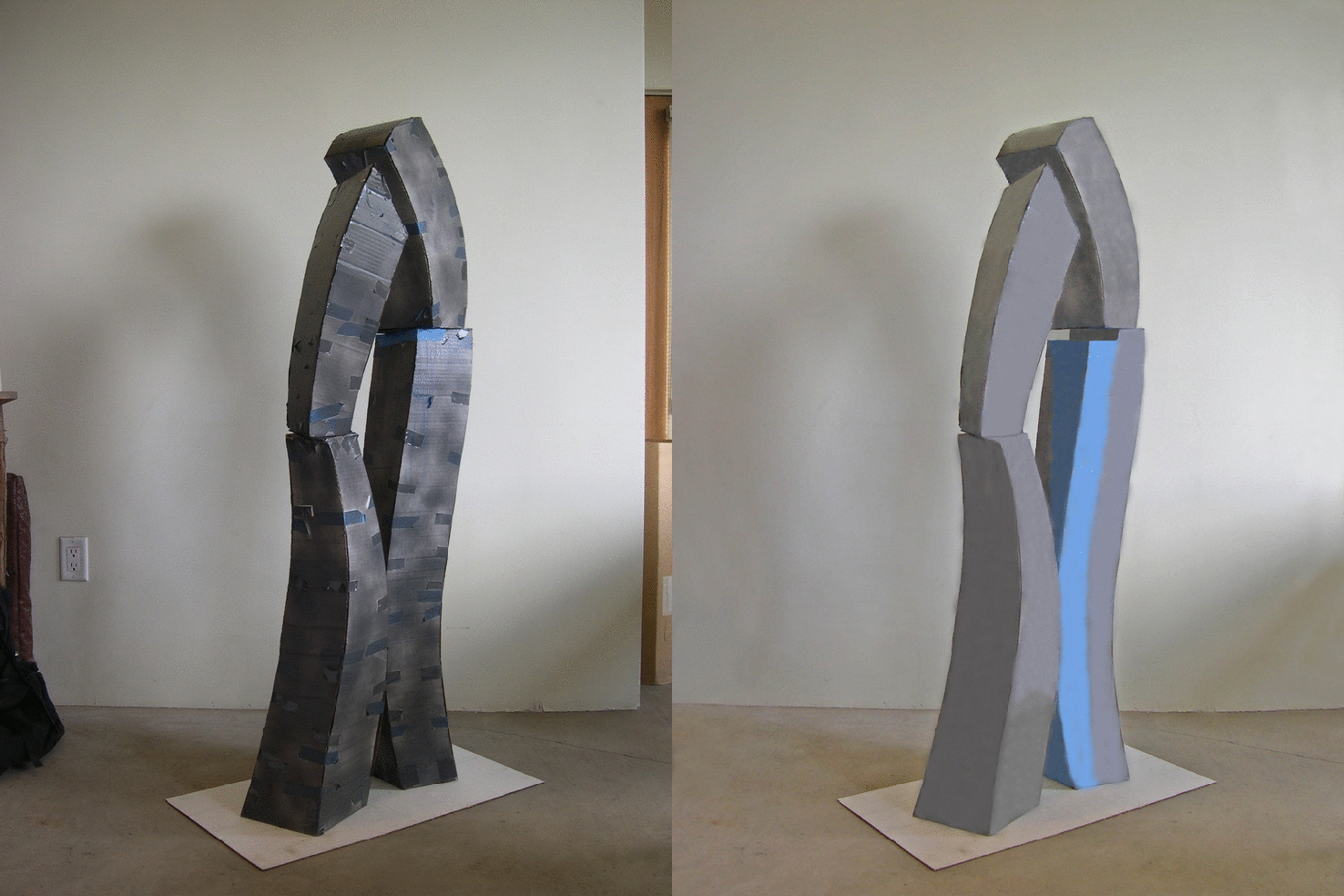
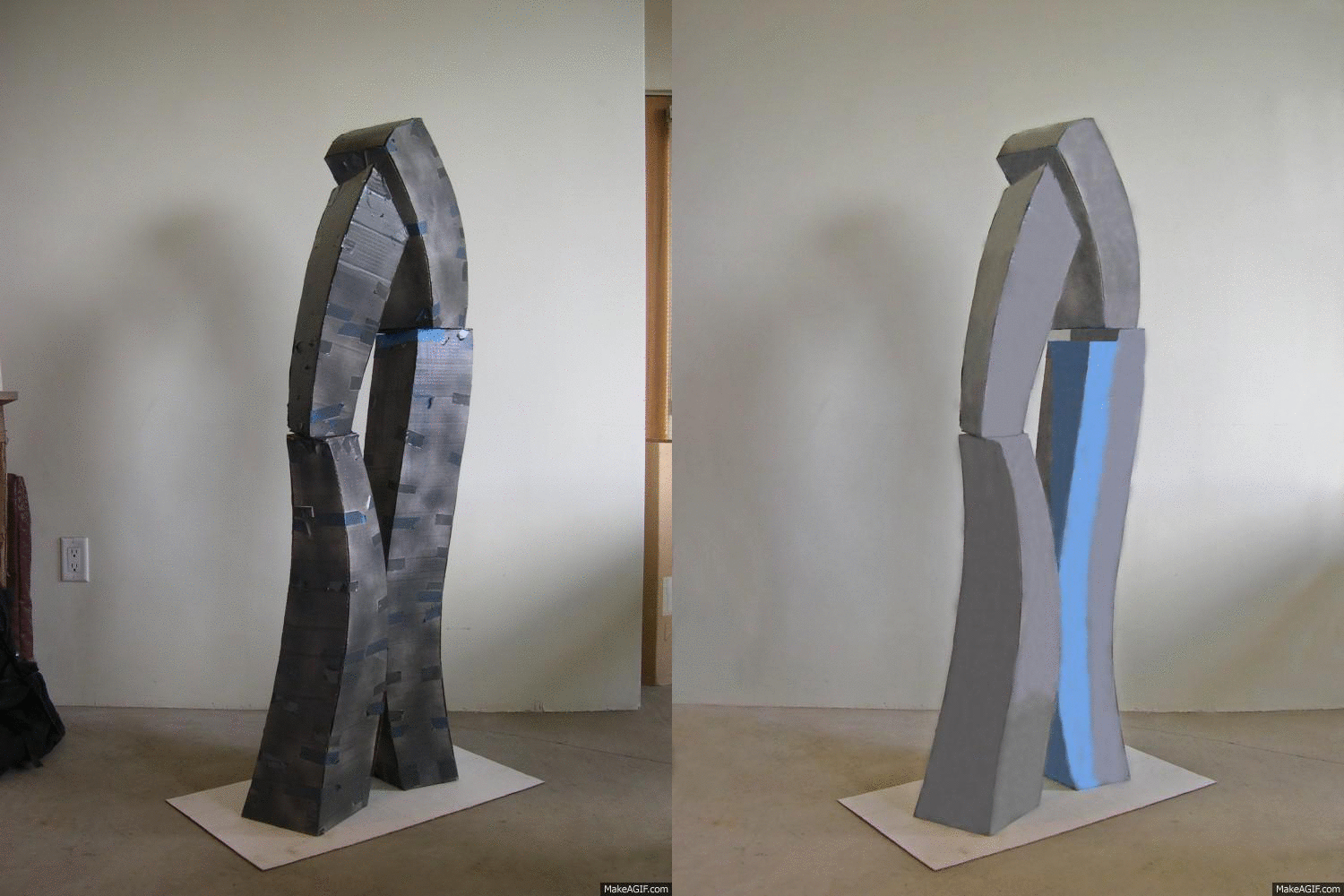
Next, Frank manipulated images of the cardboard model in Photoshop to show the flow of the fountain. The blue line you see on the edited photograph is where the water will fall on one side. The white piece of cardboard under the sculpture represents its base, which presented a unique problem.

“From the very beginning, I had to be very careful about water flow because I had a limited landing pad for the water to fall. The basin was much smaller and narrower than in the original sculpture.”

Frank Morbillo- Artist Process- Matthews Gallery Blog

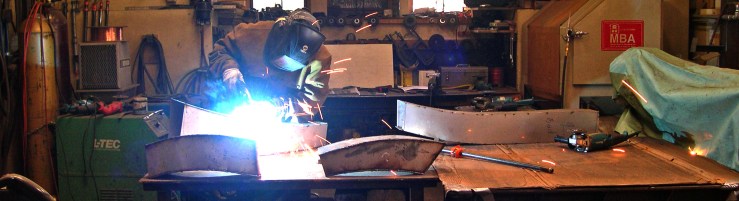
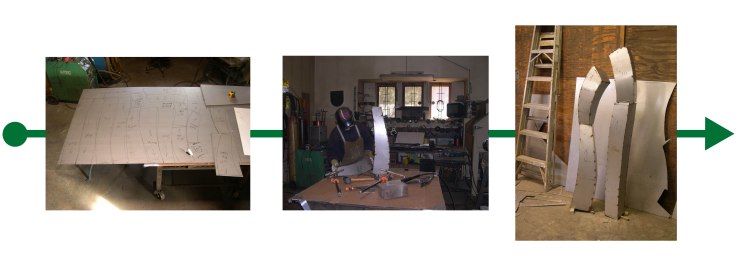
After tweaking the cardboard model, Frank took it apart and traced the pieces on stainless steel (left). He used tack welding to create a rough version of the piece (center and right). Tack welds allowed Frank to alter the form based on his client’s feedback.

 “The dark buttons going up the edge are the tack welds. The tack weld is very strong; a series of four down the side can hold it mostly in place. Once you’re at this step, you want to make sure that everything is right. Afterwards, there are several days worth of work to make the elements seamless.”

Frank Morbillo- Artist Process- Matthews Gallery Blog


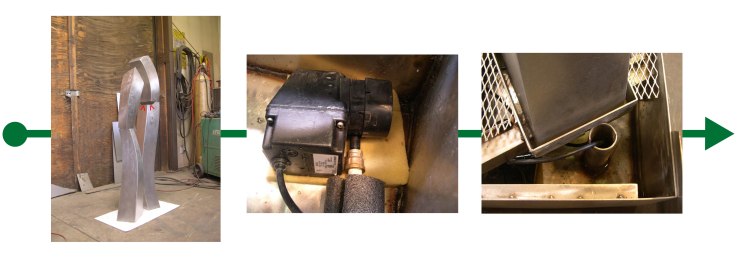
It took about a week to create the shiny sculpture you see on the left. The two red arrows mark openings for the water. Next Frank worked on the base of the sculpture, installing a pump and carefully feeding the electrical cord through a riser tube that holds it above the water (center and right).

“All of those edges have been welded and sanded. This is my first rough pass on putting the finish on the metal.”

“One of the things you look for is the pump’s capacity to go vertical. I size it at a slightly greater capacity than my need is going to be so that I’m sure the water will reach the top.”

“The water enhances and adds to the whole scheme of the project. By placing the pump on the foam pads, it reduces noise vibration from the pump, allowing the viewer to focus on the sound of the fountain.”

Frank Morbillo- Sculpture Process- Matthews Gallery Blog


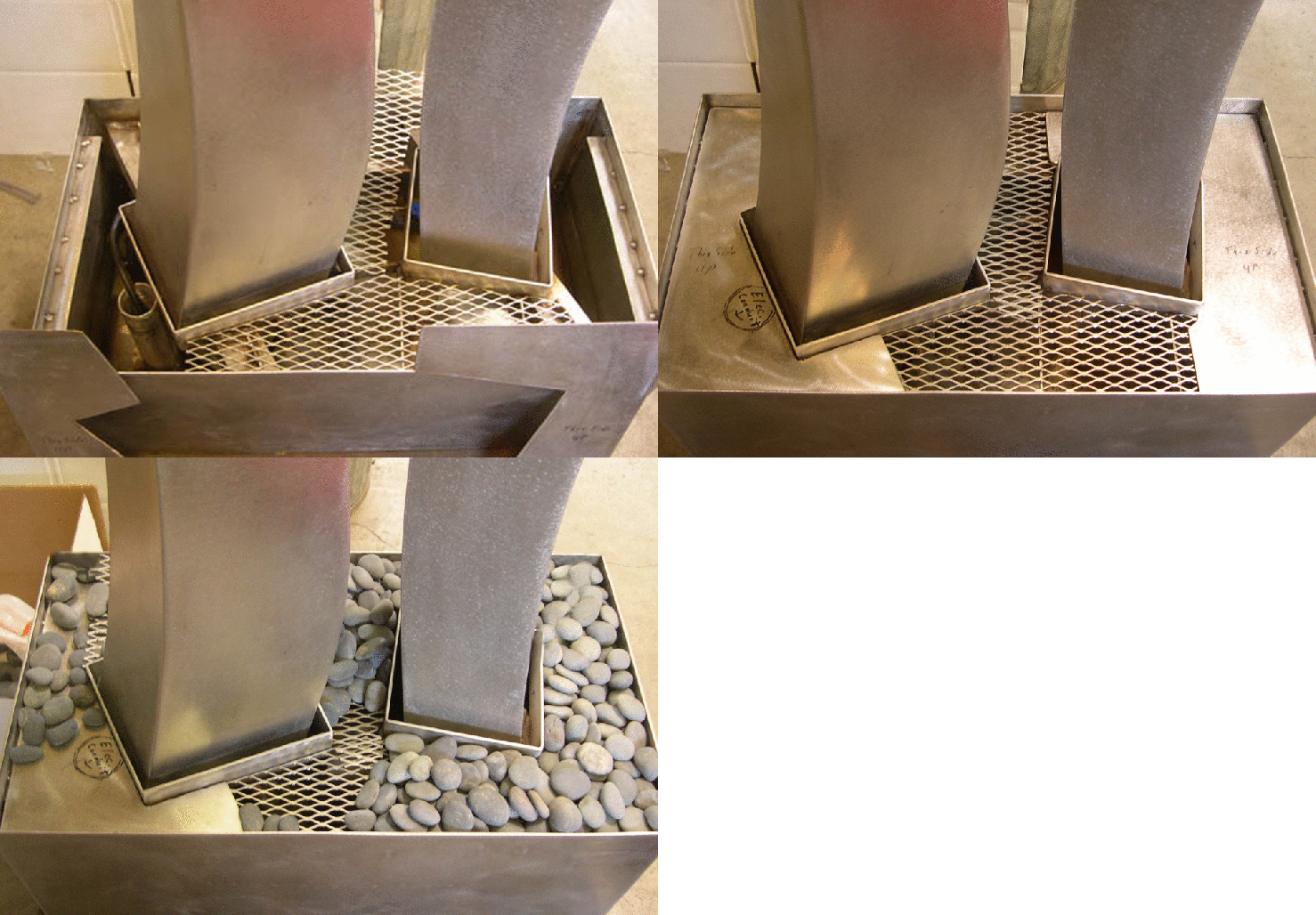
Frank cut mesh and steel plates to cover the base and prevent splashing. The slots you see around the sides of the sculpture are one of Frank’s latest innovations.

“Because of the size of the basin, I have less latitude with what the water does and how it falls. I knew I had to create a slot around the base of both sculptures so as the water falls it goes into this slot. It worked really well, and I learned something from it. It’s changed how I deal with water capture in a small basin.”

“In every sculpture project, there’s always the opportunity to say, ‘What can I do different in the future?’”

Frank Morbillo- Artist Process- Matthews Gallery Blog

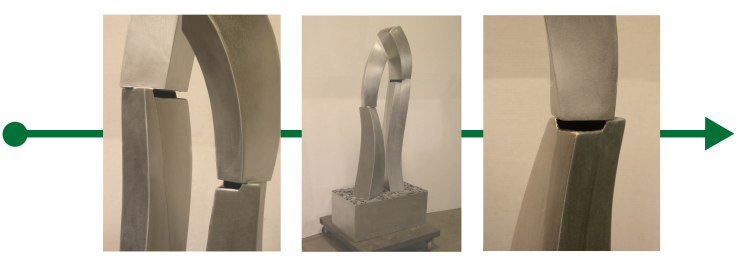
Careful tests of the water flow followed. Frank got the final approval from the client and shipped it.

“There’s a lot of structure in there that you’re not seeing that supports all of the different elements. When all of this is said and done, you don’t see any of that but it’s all happening because of it.”

“I took a good long look at it and liked what I was seeing in terms of how I thought it would look on site.”

And PRESTO!

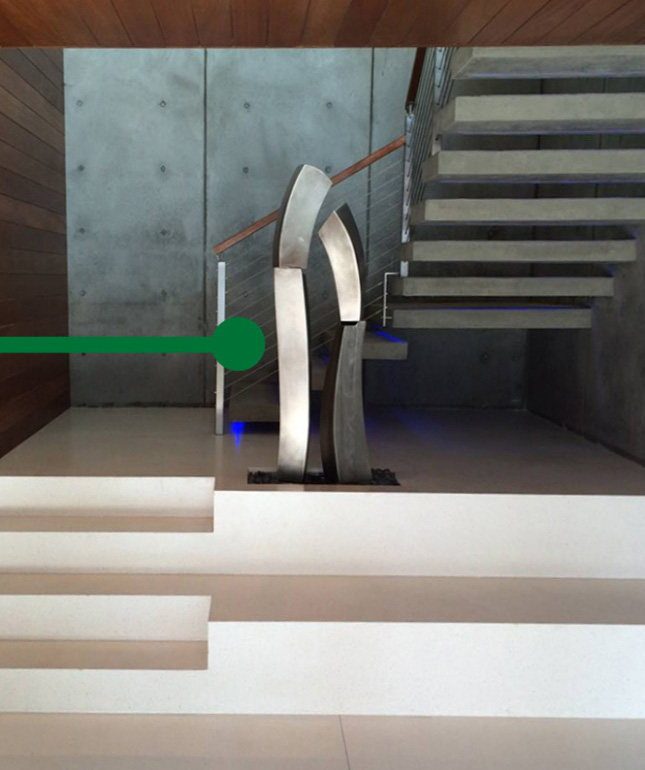
Frank-Morbillo-SculptureProcessFinal

Frank’s clients sent back images of the piece in its new home, and the sculptor couldn’t be happier.

 “The experience of walking up the steps and around the sculpture must be pretty awesome.”

“It’s interesting, the sculpture is the only thing with curves in the space. Everything else is really hard and geometric. That’s cool that it’s really different than anything else line-wise in the space.”

“When you can have fun going through the process of doing it, for me that’s where my thoughts go when I’m working. There’s a lot of opportunities to have fun.”

“When I saw the contemporary design of the house, I said, ‘Great project.’ I’m really happy that this sculpture became part of it.”

See more of Frank Morbillo’s artwork on the Matthews Gallery website, and connect with us on Twitter, Facebook and Instagram for daily gallery news.