COLLECTOR’S FORUM: Join the Network

Get Connected- Collector's Forum Workshops- Matthews Gallery blog

Seats are filling up for our free COLLECTOR’S FORUM workshops, which begin next Friday as part of the Santa Fe Gallery Association’s Art Matters lecture series. The events have already given us the opportunity to connect with art lovers of all stripes. As the news spreads from person to person, a network is forming with links to local art legends like Alfred Morang and Fremont Ellis.

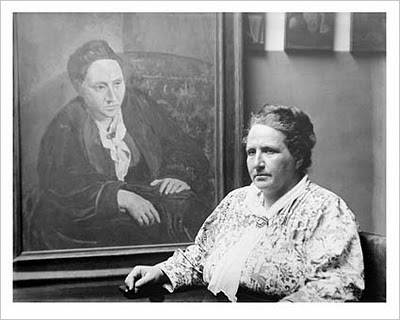
Gertrude Stein with her famous Picasso portrait- Matthews Gallery blogGertrude Stein with Pablo Picasso’s famous portrait of her

That’s why this lovely friendship map of Parisian modern artists and patrons from the early 20th century caught our eye on Twitter the other day. Celebrated salonniere Gertrude Stein is the spider at the center of the web, of course, with Pablo Picasso and Henri Matisse and Joseph Stella and Henri-Pierre Roche entangled around her. Mabel Dodge and Marsden Hartley appear too, and their later New Mexico adventures tie this famous circle directly to our own rich cultural history. Forget six degrees of separation, we’re down to one!

The art world is beautifully interconnected, but that doesn’t mean it has to be exclusive. Our workshops are designed for anyone who’s ever considered dipping a toe into the art market, whether you have a full array of masterpieces or a virtual wish list of art treasures on Tumblr. We’ll cover every angle of the art business, including:

  • How the price of artwork is determined
  • How the primary art market differs from the secondary market
  • The importance of provenance
  • When conservation should be considered for an artwork and what is involved
  • How to insure your artwork
  • How to receive an accurate art appraisal
  • How to negotiate the purchase of art
  • The best strategies for buying or selling art at auction

The workshops will feature fascinating behind-the-scenes stories from our gallery, and tales of tricky art conservation projects from special guest Matt Horowitz. Shoot us an email to reserve your seat and become a link in the long chain of art connoisseurs, from the City of Light to the City Different!

Learn more about COLLECTOR’S FORUM on our exhibition page, and connect with us on Facebook and Twitter for daily gallery news.

COLLECTOR’S FORUM: Conservator Matt Horowitz

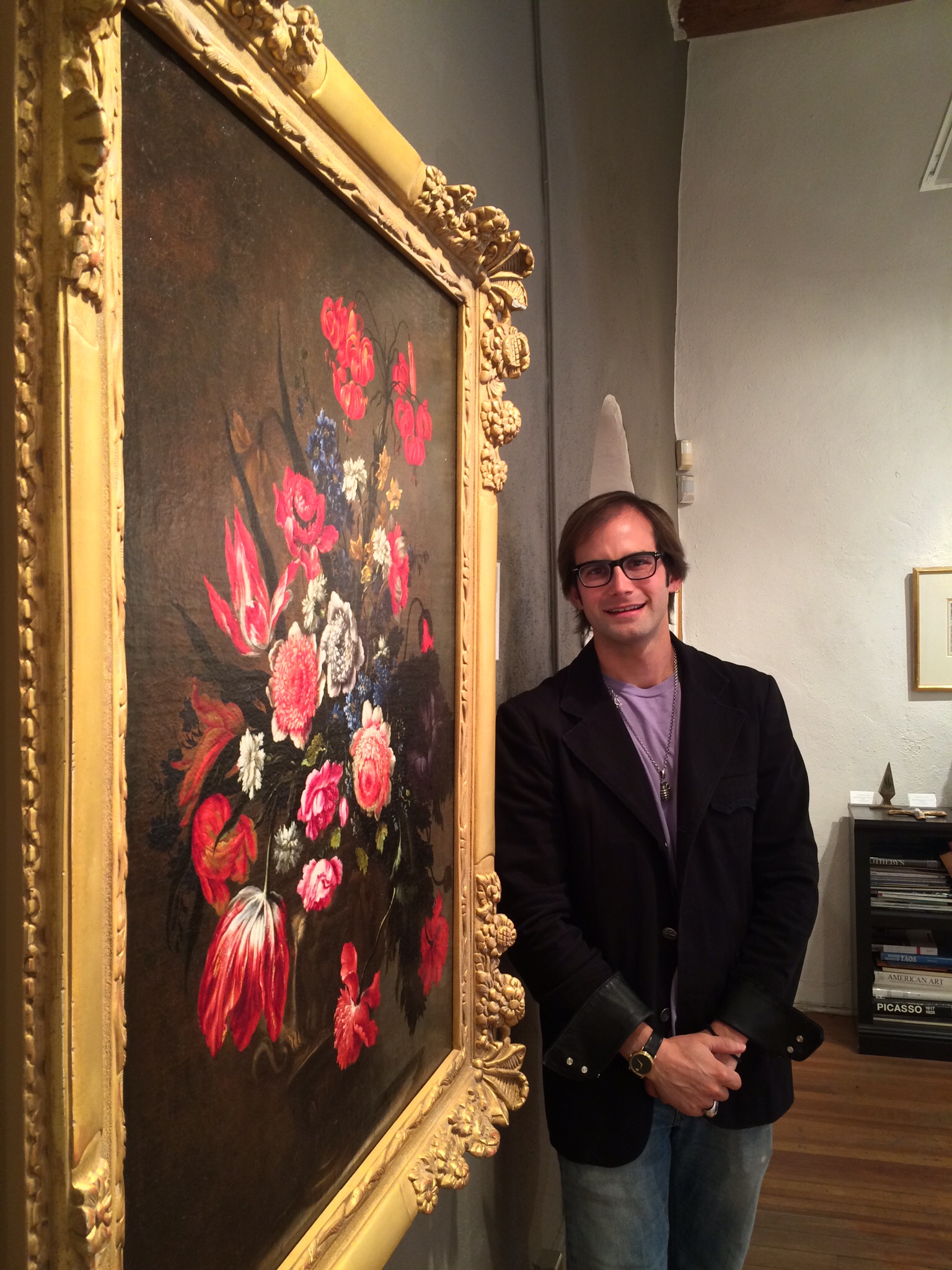
 Fine art conservator Matt Horowitz will appear at our COLLECTOR’S FORUM workshops
on October 17 and 24. The free events are for anyone who’s ever considered buying, selling or caring for fine art and has questions about the inner workings of the art world. To reserve a seat, make sure to contact us!

Matt-Horowitz-Goldleaf-Framemakers-Conservator

Conservator Matt Horowitz with a 17th century painting he restored for Matthews Gallery

“I came in and they gave me a de Kooning,” says Matt Horowitz. He’s telling the story of his arrival in Manhattan at 24 years old to work for a famed art restoration firm. If he failed this audition, there would be dire art historical consequences.

“A piece of the white paint had chipped away, which is the hardest thing to match, because white is never really white,” Horowitz says, nervously twisting the ring on his finger. “I was like, ‘You don’t even know who the hell I am, and you just gave me a de Kooning and you want me to fix it.'” At the end of the painstaking task, Horowitz had a new job. Eight years later he sits in Matthews Gallery’s front room among paintings he’s restored for us, with a budding reputation as a rare young master in his field.

Horowitz grew up in Santa Fe, where his father Marty founded Goldleaf Framemakers in 1988. One summer in high school he got bored with the family business and asked local art conservator Steven Prins to teach him the tricks of the trade.

After receiving his BFA in painting and drawing at the University of New Mexico, Horowitz returned to Santa Fe to work with Prins, but he’d always dreamed of living in New York. When he got a job offer from Lowy Frame & Restoration Company in Manhattan, he took the leap.

Matt Horowitz- Art Conservator- Goldleaf Framemakers of Santa FeHorowitz at work

“I didn’t go and get my masters degree in conservation because I went for a ‘apprenticeship to working commercially’ route,” Horowitz says. “I prefer it because when you go to school it’s a very different environment. It’s very intellectual.” At Lowy he got hands-on experience with diverse museum-quality work: paintings by Degas, Dali and other legends.

Horowitz had a great job and an apartment in Manhattan, but he was far away from his family. “Things had gotten really rough after the recession,” he recalls. “My dad calls and says, ‘Would you be interested in coming back and helping your old man out?'” It was a difficult decision, but Horowitz left New York behind.

His first winter back in Santa Fe was hard work. Horowitz lived in the family shop and turned out beautifully restored artwork on tight deadlines, building a successful new wing of the business. It’s been four years since his return and a decade since he started working as a professional art conservator, and business is booming.

Still Life Attributed to Jean-Baptiste Monnoyer- Matthews Gallery blogUntitled still life by Jean-Baptiste Monnoyer, impeccably restored by Horowitz

“Now that I’ve been doing it for 10 years, I really push that,” Horowitz says. “I’ve definitely come up against the ageism, and the people who say, ‘How could you know what you’re doing? You’re too young.'” That’s why he jumped at the chance to collaborate with us on our Art Matters event, COLLECTOR’S FORUM. During our free workshops on October 17 and 24, he’ll discuss the fine points of maintaining and restoring artwork in your collection and tell fascinating stories from his career, including the tale of restoring one of Matthews Gallery’s oldest works of art.

“It’s kind of like being a detective,” he says. “It’s exciting. Something comes in and it’s not always totally straightforward, there’s a combination of things. It can be stressful but it’s exciting. You have to follow the clues and figure it all out.”

Learn more about COLLECTOR’S FORUM on our exhibition page, and connect with us on Facebook, Twitter and Instagram for daily gallery updates.

OUTSIDER/INSIDER: Abstract Expressionism at Matthews Gallery

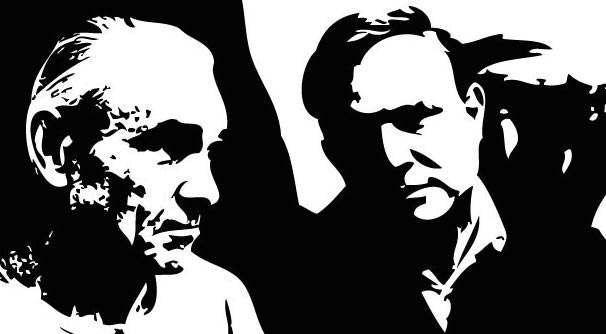
Stanley Boxer and Robert Motherwell at Matthews Gallery Boxer (left) and Motherwell

It was Mark Rothko’s 111th birthday this Friday, and the occasion has us pondering one of the 20th century’s most polarizing art movements: abstract expressionism.

Three artworks by renowned abstract expressionists have recently landed on our walls. The first two are heavily impastoed oil paintings by Stanley Boxer, who resolutely clung to the far fringes of the movement. Determined to defy labels, he was furious when art critic Clement Greenberg called him a color field painter, and yet the arc of his creative explorations closely paralleled that of his abstract expressionist contemporaries:

In the manufacture of my art, I use anything and everything which gets the job done without any sentiment or sanctity as to medium. Then, too, I have deliberately made a practice of being “visionless”… this is, I go where my preceding art takes me, and never try to redirect the future as to what my art should look like. This is a general credo and foundation for everything I have ever done and stands firm in its solidity as this is written.

Boxer, who died in 2000, would have loved Grace Glueck’s New York Times review of a 2004 exhibition of his late works. She notes that he was “never part of a movement or trend,” but rather driven by paint’s “physical possibilities without script or program.”

Abstract Paintings by Stanley Boxer- Matthews Gallery Blog Atriumofashreddednight  (top) and Crisppitchofsigh, Oil on Linen

Glueck ends the piece with a brief analysis of Boxer’s titles, lyrical lists of words that are jammed together in unbroken strings. The works in our collection, for example, have names that read like fragments of beat poems: Atriumofashreddednight and Crisppitchofsigh. Glueck writes, “As Boxer joked in his titles, these canvases, more than most, do not really lend themselves to verbal exposition. They live for the eye, to which they bring deep satisfaction.”

Boxer’s titles provide a link to Robert Motherwell, the other abstract expressionist represented in our collection. Unlike many “abex” artists who labeled their canvases using dates or arbitrary numbers, Boxer and Motherwell were unapologetic in their wordplay.

That’s where the similarity ends. While Boxer considered himself an isolated frontiersman of abstract painting, Motherwell was an eager icon of abstract expressionism. He coined the term ‘New York School’ to describe his revolutionary circle, which included Mark Rothko, Jackson Pollock and Willem de Kooning, and acted as a spokesperson for the movement in the world of academia.

If Boxer’s titles were little more than impressionistic quips, Motherwell, who was a scholar before he became a “serious artist” and wrote numerous essays on aesthetics, chose names that have inspired endless analysis. His most famous series of paintings, Elegies to the Spanish Republic, chronicles the Spanish Civil War in bold strokes of black and white and subtle passages of ochre, blue, green and red.

Mainly, I use each color as simply symbolic: ochre for the earth, green for the grass, blue for the sky and sea,” Motherwell wrote. “I guess that black and white, which I use most often, tend to be protagonists.” In varying contexts, each color holds a universe of meanings. To fully understand the use of ochre in Motherwell’s Spanish Elegies, “You would have to know that a Spanish bull ring is made of sand of an ochre color,” the artist wrote.  Other works that feature ochre, like Western Air or Personage, with Yellow Ochre and White, would naturally spark different associations. 
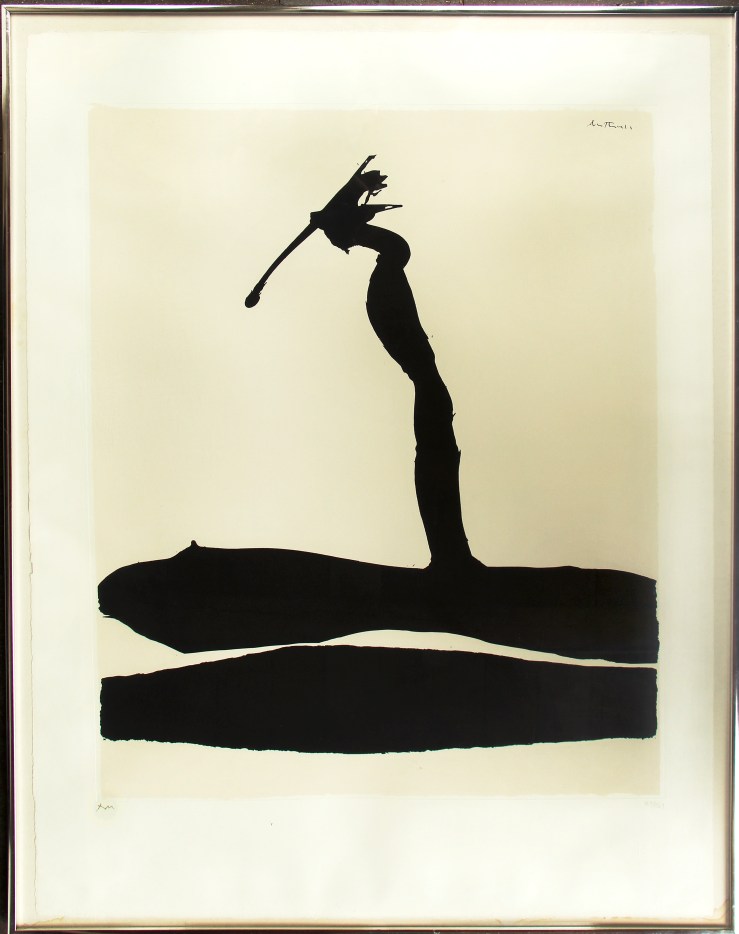
Robert Motherwell- Africa 4- Silkscreen- Matthews Gallery Blog Robert Motherwell, Africa 4, Silkscreen

What to make of our Motherwell silkscreen, titled Africa 4? Motherwell completed the Africa suite in 1970, the same year he created his Basque and London suites. They were his first projects entirely devoted to silkscreens, and a divergence from the heavily layered nuances of his oil paintings. Here his black abstract forms stand crisply against their off-white backgrounds, although on closer inspection, their tumultuous edges still seem to weave in an out of focus.

“All my works [consist] of a dialectic between the conscious (straight lines, designed shapes, weighed color, abstract language) and the unconscious (soft lines, obscured shapes, automatism) resolved into a synthesis,” the artist wrote in 1944.

Motherwell first explored the concepts of automatism and the subconscious with a group of Parisian Surrealists, including Duchamp, Ernst and Masson, who had fled Europe during World War II.  Their ideas would help shape the spiritual side of abstract expressionism, a spontaneous, intuitive element that Motherwell carefully balanced with his more intellectual inclinations.

Motherwell’s connection to the Surrealists lends us a potential clue to the significance of the ‘Africa’ title. In his 1946 essay ‘Beyond the Aesthetics‘, Motherwell discusses the life of French Symbolist poet Arthur Rimbaud, who helped inspire Surrealism. In the final decades of his life Rimbaud quit writing and set off on an African expedition, a leap of faith that Motherwell compares to the Surrealists’ break from Dada and formation of a new movement:

Like Rimbaud before them, the Surrealists abandoned the aesthetic altogether; it takes a certain courage to leave poetry for Africa (as Rimbaud did, fh). They revealed their insight as essentially moral in never forgetting for a moment that most living is a process of conforming to an established order which is inhuman in its drives and consequences. Their hatred sustained them through all the humiliating situations in which the modern artist find himself, and led them to conceptions beyond the reach of more passive souls. For them true ‘poetry’ was freedom from mechanical social responses. No wonder they loved the work of children and the insane – if not the creatures themselves.

Perhaps Motherwell’s Africa suite represents a similar journey, a leap into the unknown that is a clear break from previous adventures. Just as Rimbaud abandoned an intellectual pursuit for one centered on travel and action, and as the Surrealists broke from the societal battles of the Dadaists to explore dreamscapes, so Motherwell’s stark Africa forms landed him in a new realm of image-making. Perhaps he sought to prove that even the most distinctly divided blacks and whites could possess endless shades of grey.

Learn more about Stanley Boxer and Robert Motherwell on our website, and make sure to connect with us on Facebook, Twitter and Flickr for more gallery news.

ONE WORK OF ART: Beatrice Mandelman’s ‘Cool Wind’

Beatrice Mandelman- Cool Wind circa 1950- Matthews Gallery

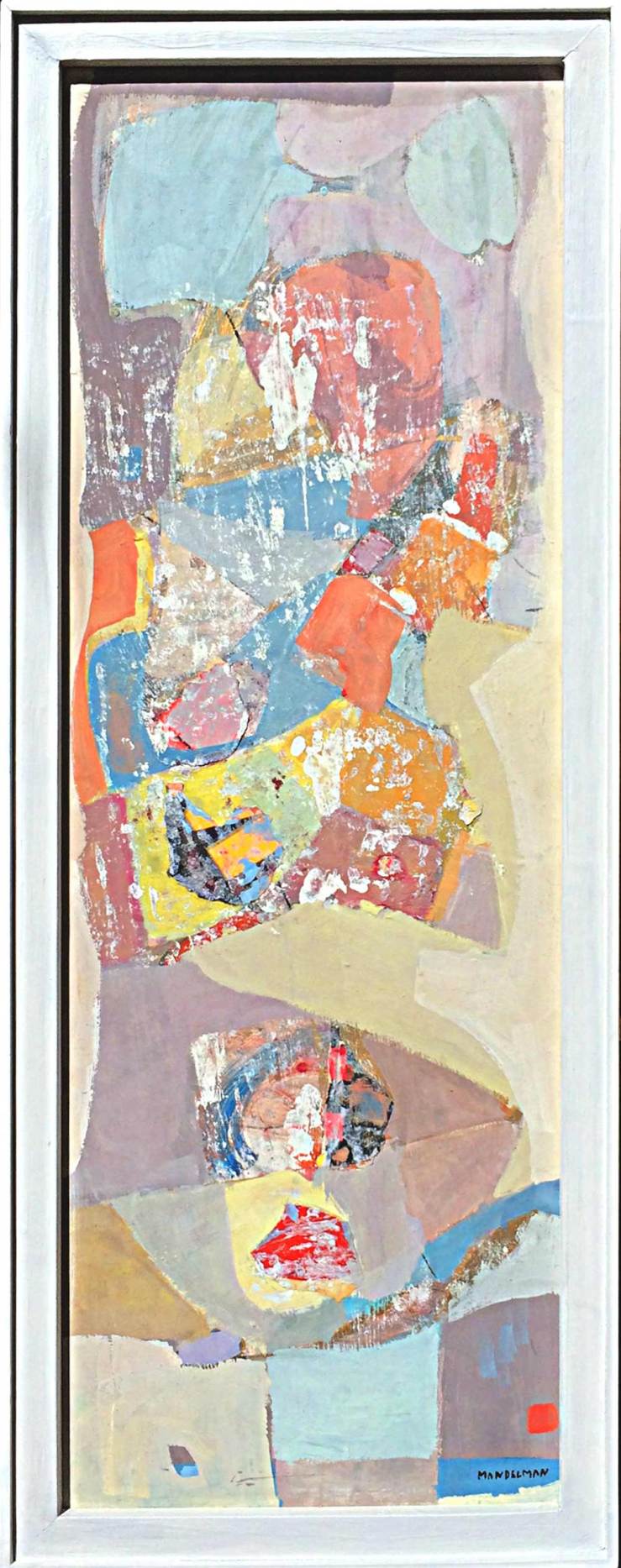
Beatrice Mandelman, Cool Wind c. 1950, Casein with Collage on Masonite Panel

When John Sloan invited Beatrice Mandelman and Louis Ribak to visit Santa Fe in 1944, the two artists were on the rise among New York City’s avant-garde. They had ties to Hans Hoffman and Fernand Leger, and were often mentioned in the same breath as Jackson Pollock. Sloan, who had been summering in New Mexico for years, had a reputation for spiriting away his favorite artists to the Desert Southwest. During their trip the recently married duo took a train to Taos and decided to stay.

The move marked a radical change in Mandelman and Ribak’s artwork. “We had to start all over again,” Mandelman said. “We spent the first couple years painting landscapes.” They were known for their figurative paintings in New York, but in this radically different environment their focus shifted to pure abstraction. They were trailblazers for a new wave of artists called the Taos Moderns, a movement that enlivened the Taos art colony but enraged an older vanguard of academic painters with ties to the Taos Society of Artists of the 1910’s and 20’s. To this tight clique of romanticists, the newcomers stuck out like colorful cacti—particularly Mandelman.

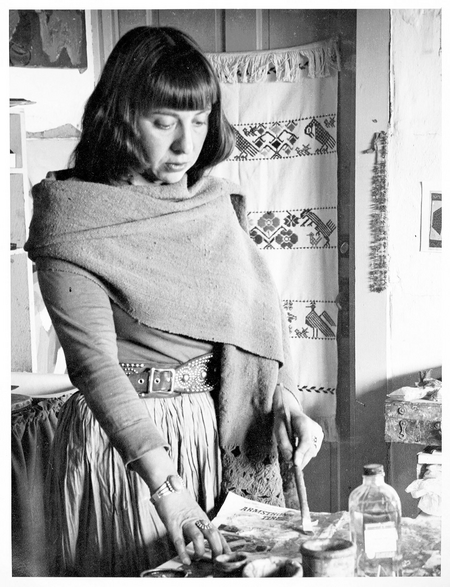
Portrait of Beatrice Mandelman in her Taos studio circa 1950- Matthews Gallery Beatrice Mandelman, 1950
“She worked with full abstraction at a time when most artists were not daring enough to do so,” writes David L. Witt in his book Taos Moderns, noting that Mandelman considered herself “the first of the second generation of artists in Taos.” The voice of a young, female abstract painter had never been part of the remote art community.

Far from the big city, Mandelman developed a new appreciation for the natural world and humanity’s relationship with it. By the late 1940’s she was developing an abstract symbol system to express her emotional responses to the landscape. Her elegant compositions didn’t mimic the lines or palette of the high desert, but they perfectly evoked the strong, solitary spirit of its inhabitants.
The mixed media painting in our collection was likely done in the 1950’s. Early in her experiments with abstraction Mandelman chose a muted palette, but here brighter colors poke through. This more expressive style was inspired by Henri Matisse and Mandelman’s former teacher Leger, and allowed her to explore the highs and lows of human experience with great vigor. Cool Wind‘s undercurrent of chilly blues and bright accents of orange and red call forth the sensation of a shiver passing up the spine.

As the evenings get cooler in Santa Fe, we’ve developed an ever-evolving passion for this piece and the innovative artist who created it. Learn more about Beatrice Mandelman on our website, and connect with us on Facebook, Twitter and Instagram for daily gallery news.

SCULPTOR’S PROCESS: Frank makes a fountain

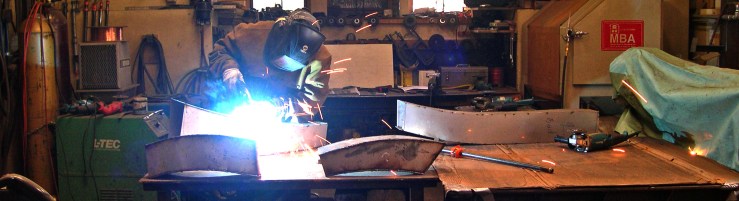
Frank Morbillo- Sculptor- Matthews Gallery

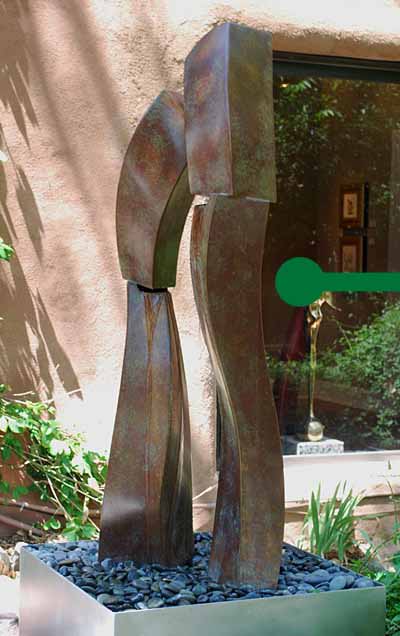
It all started with a sculpture you may recognize if you’ve been to Matthews Gallery in the past few years. Frank Morbillo‘s ‘Complement’ was a fountain that stood outside our building for a time, enchanting Canyon Road tourists with its elegant lines and soothing sounds:

Frank Morbillo- Complement- Matthews Gallery

“It was inspired by the figure, a relationship between people or entities,” says Frank. “The two sides have a connection in terms of how the line of one complements the line of the other.”

Two gallery visitors who were particularly charmed by the sculpture kept it in mind as they built their new home. Nearing the end of construction, they got in touch with Frank and asked him to create a similar piece for their front entryway. Just like the two pillars of the sculpture, Frank says the commission was all about maintaining a carefully balanced dynamic.

“During the course of the commission, I am constantly sending images that are going back and forth between myself and my client,” the artist explains. “Six times throughout this process or more, we were exchanging information and tweaking and getting approval.”

Below you’ll see images from their correspondence, starting with a cardboard model and ending with the stainless steel fountain in its beautiful new space. Follow Frank on his artistic journey…

Frank Morbillo- Artist Process- Matthews Gallery Blog


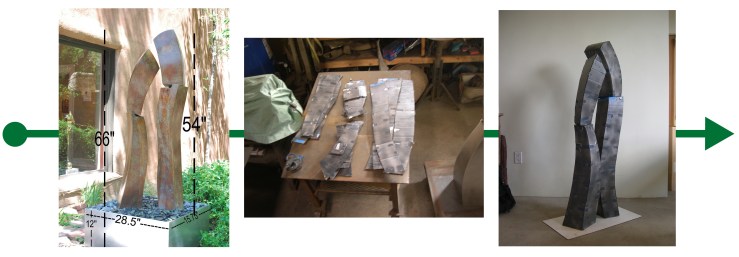
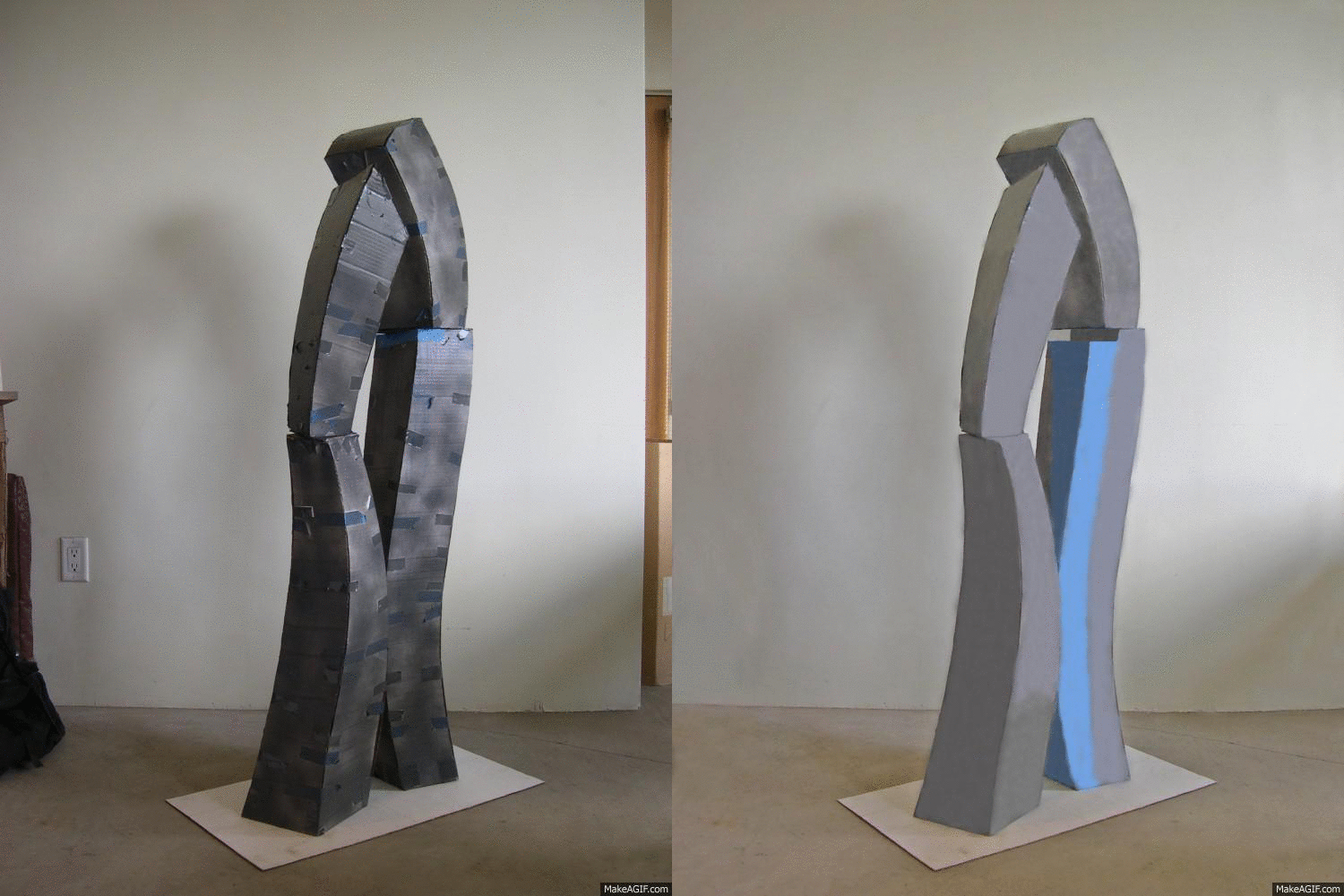
First, Frank marked up an image of the original sculpture (left). ‘Complement’ was larger than his clients wanted, so he adjusted the scale and used the new measurements to resize some cardboard cutouts from the original project (center). The new, smaller cardboard pieces came together to create a full-scale model of the new piece (right).

“When I’m building it in the studio, it’s important to have the model at the level that it’s going to be viewed. In the clients’ home, it’s going to be up a few steps from the ground level. I elevated it to make sure the proportions were working. I want there to be a good interaction of elements.”

“Different materials make the water flow differently. A rough material creates some surface tension, while a slick material will let the water run very fast.”

 Frank Morbillo- Sculpture Process- Matthews Gallery blog
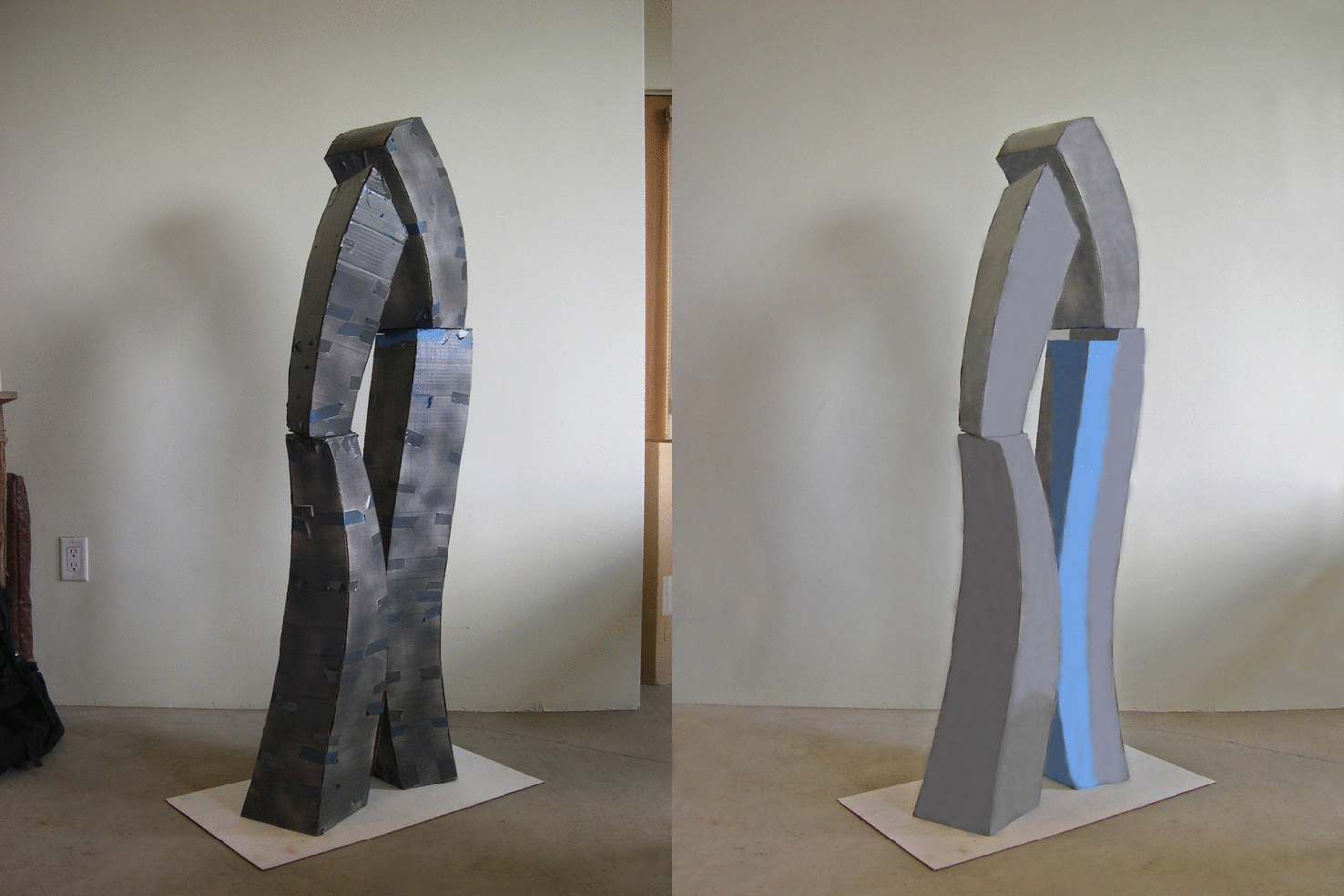
Next, Frank manipulated images of the cardboard model in Photoshop to show the flow of the fountain. The blue line you see on the edited photograph is where the water will fall on one side. The white piece of cardboard under the sculpture represents its base, which presented a unique problem.

“From the very beginning, I had to be very careful about water flow because I had a limited landing pad for the water to fall. The basin was much smaller and narrower than in the original sculpture.”

Frank Morbillo- Artist Process- Matthews Gallery Blog

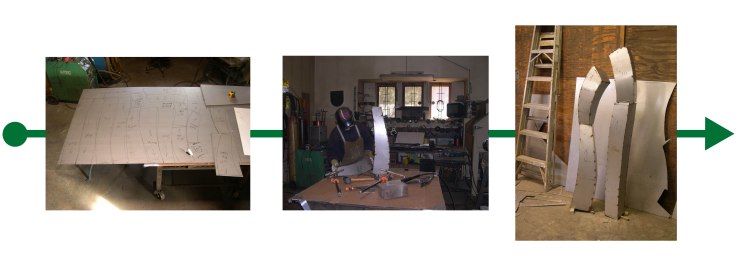
After tweaking the cardboard model, Frank took it apart and traced the pieces on stainless steel (left). He used tack welding to create a rough version of the piece (center and right). Tack welds allowed Frank to alter the form based on his client’s feedback.

 “The dark buttons going up the edge are the tack welds. The tack weld is very strong; a series of four down the side can hold it mostly in place. Once you’re at this step, you want to make sure that everything is right. Afterwards, there are several days worth of work to make the elements seamless.”

Frank Morbillo- Artist Process- Matthews Gallery Blog


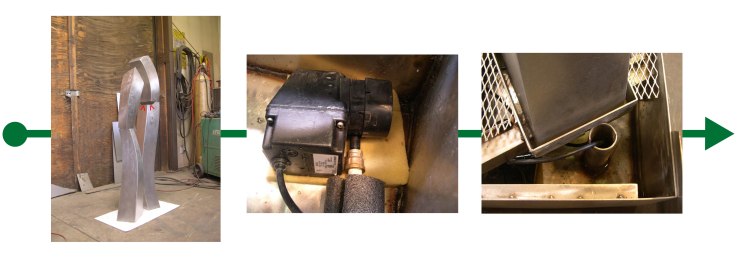
It took about a week to create the shiny sculpture you see on the left. The two red arrows mark openings for the water. Next Frank worked on the base of the sculpture, installing a pump and carefully feeding the electrical cord through a riser tube that holds it above the water (center and right).

“All of those edges have been welded and sanded. This is my first rough pass on putting the finish on the metal.”

“One of the things you look for is the pump’s capacity to go vertical. I size it at a slightly greater capacity than my need is going to be so that I’m sure the water will reach the top.”

“The water enhances and adds to the whole scheme of the project. By placing the pump on the foam pads, it reduces noise vibration from the pump, allowing the viewer to focus on the sound of the fountain.”

Frank Morbillo- Sculpture Process- Matthews Gallery Blog


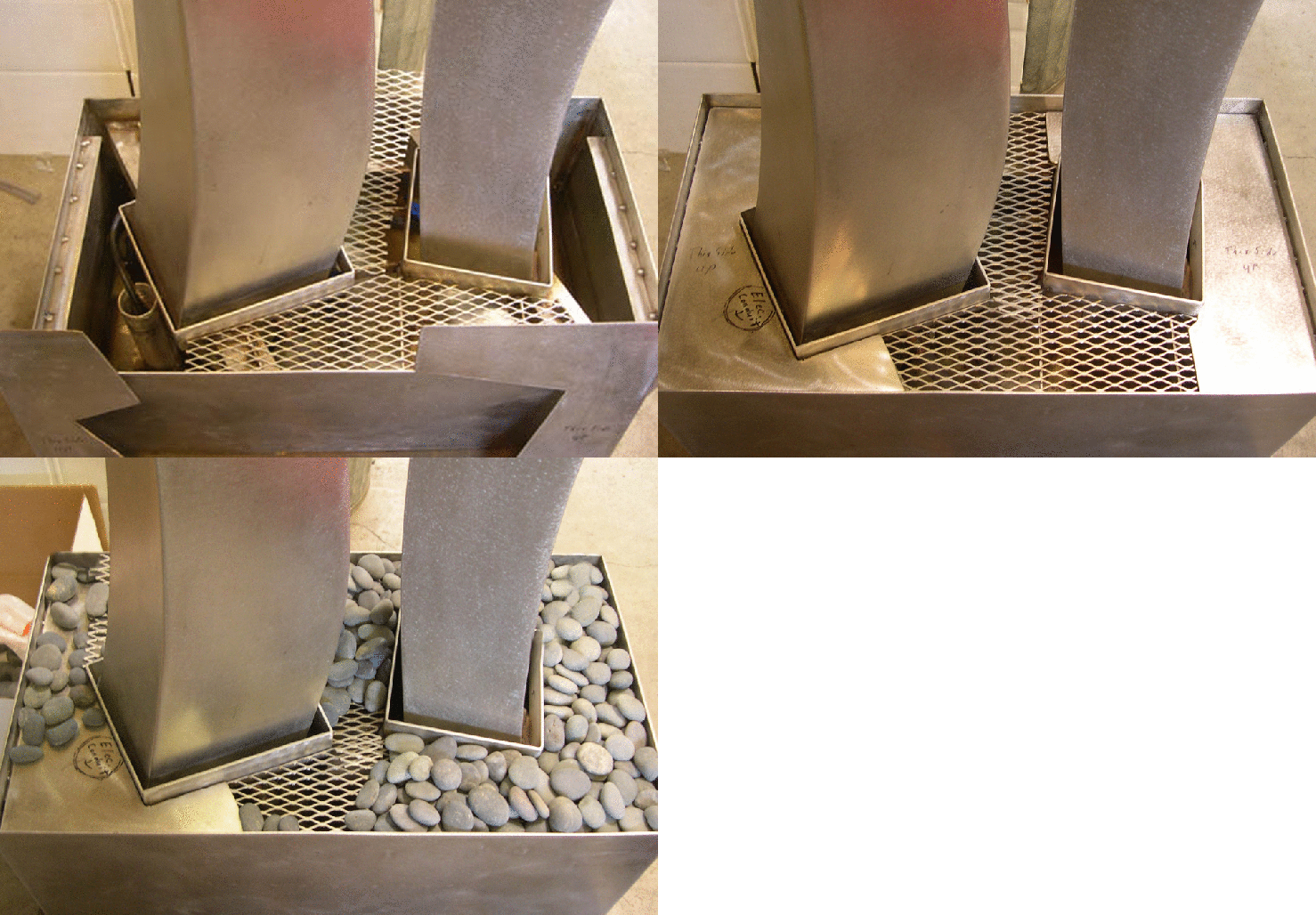
Frank cut mesh and steel plates to cover the base and prevent splashing. The slots you see around the sides of the sculpture are one of Frank’s latest innovations.

“Because of the size of the basin, I have less latitude with what the water does and how it falls. I knew I had to create a slot around the base of both sculptures so as the water falls it goes into this slot. It worked really well, and I learned something from it. It’s changed how I deal with water capture in a small basin.”

“In every sculpture project, there’s always the opportunity to say, ‘What can I do different in the future?’”

Frank Morbillo- Artist Process- Matthews Gallery Blog

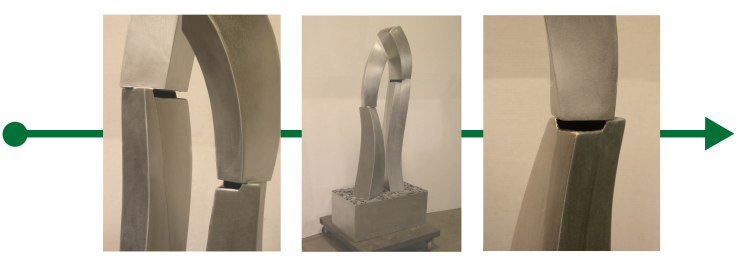
Careful tests of the water flow followed. Frank got the final approval from the client and shipped it.

“There’s a lot of structure in there that you’re not seeing that supports all of the different elements. When all of this is said and done, you don’t see any of that but it’s all happening because of it.”

“I took a good long look at it and liked what I was seeing in terms of how I thought it would look on site.”

And PRESTO!

Frank-Morbillo-SculptureProcessFinal

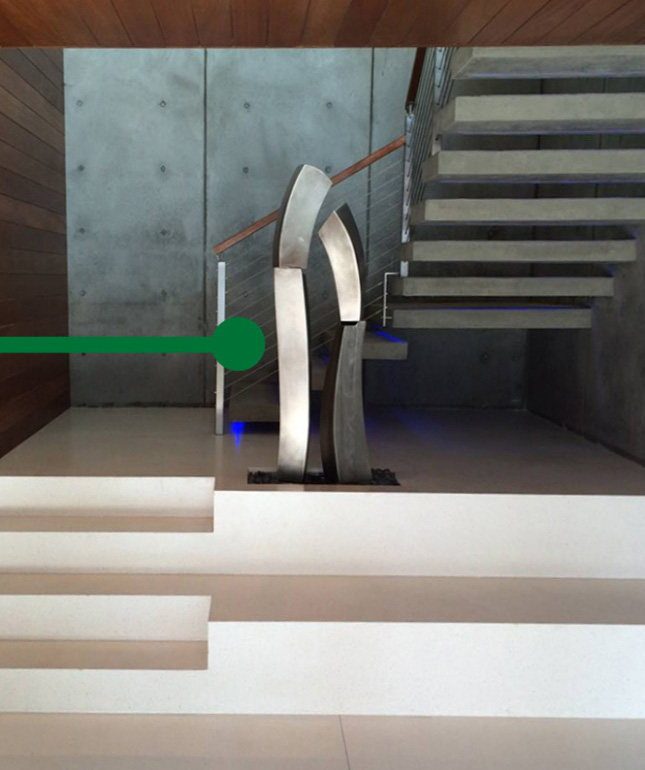
Frank’s clients sent back images of the piece in its new home, and the sculptor couldn’t be happier.

 “The experience of walking up the steps and around the sculpture must be pretty awesome.”

“It’s interesting, the sculpture is the only thing with curves in the space. Everything else is really hard and geometric. That’s cool that it’s really different than anything else line-wise in the space.”

“When you can have fun going through the process of doing it, for me that’s where my thoughts go when I’m working. There’s a lot of opportunities to have fun.”

“When I saw the contemporary design of the house, I said, ‘Great project.’ I’m really happy that this sculpture became part of it.”

See more of Frank Morbillo’s artwork on the Matthews Gallery website, and connect with us on Twitter, Facebook and Instagram for daily gallery news.


LOR’S LORE: Introducing Artist Lor Roybal

Lor Roybal- Dodge's Disbelief- Matthews Gallery

Lor Roybal, Dodge’s Disbelief, acrylic on paper
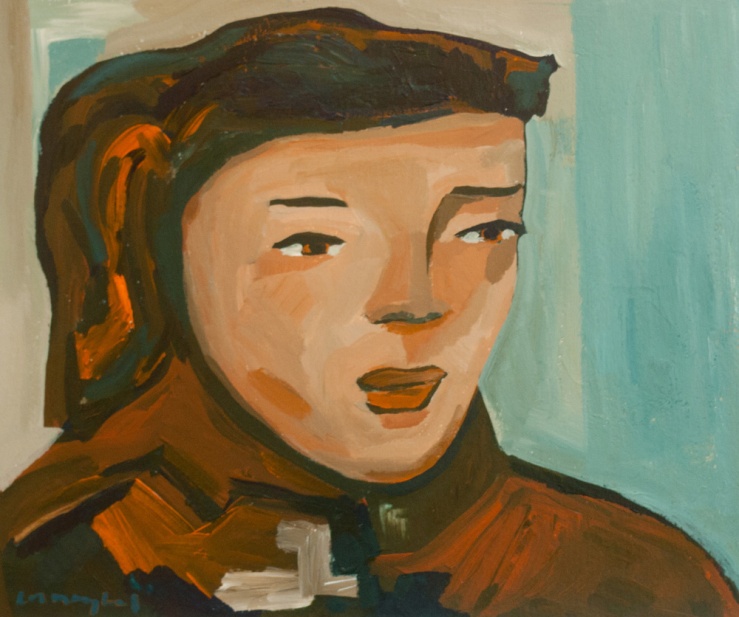
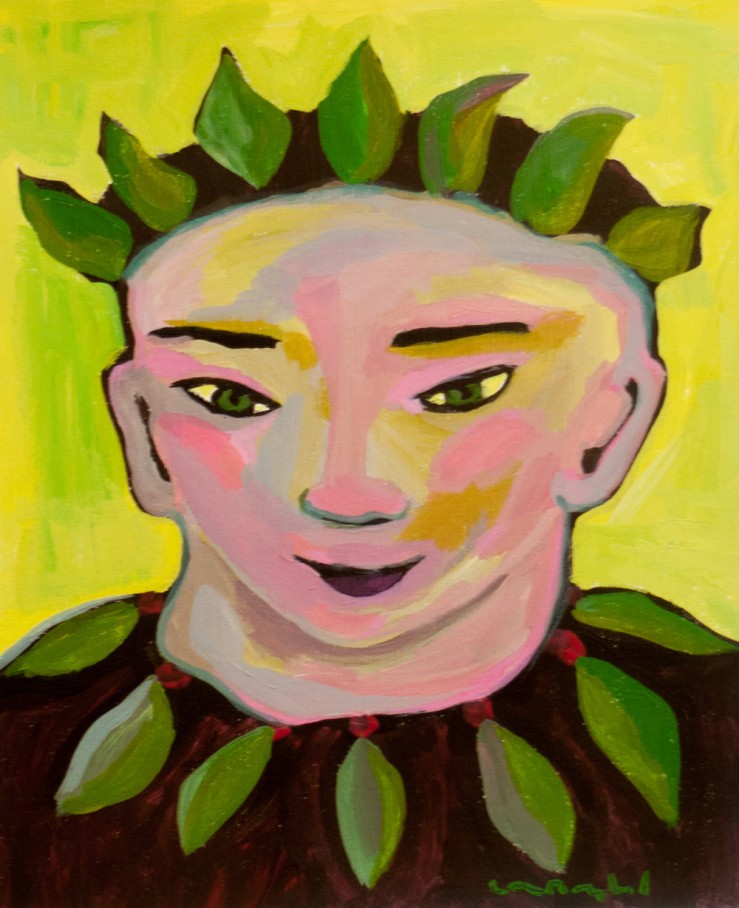
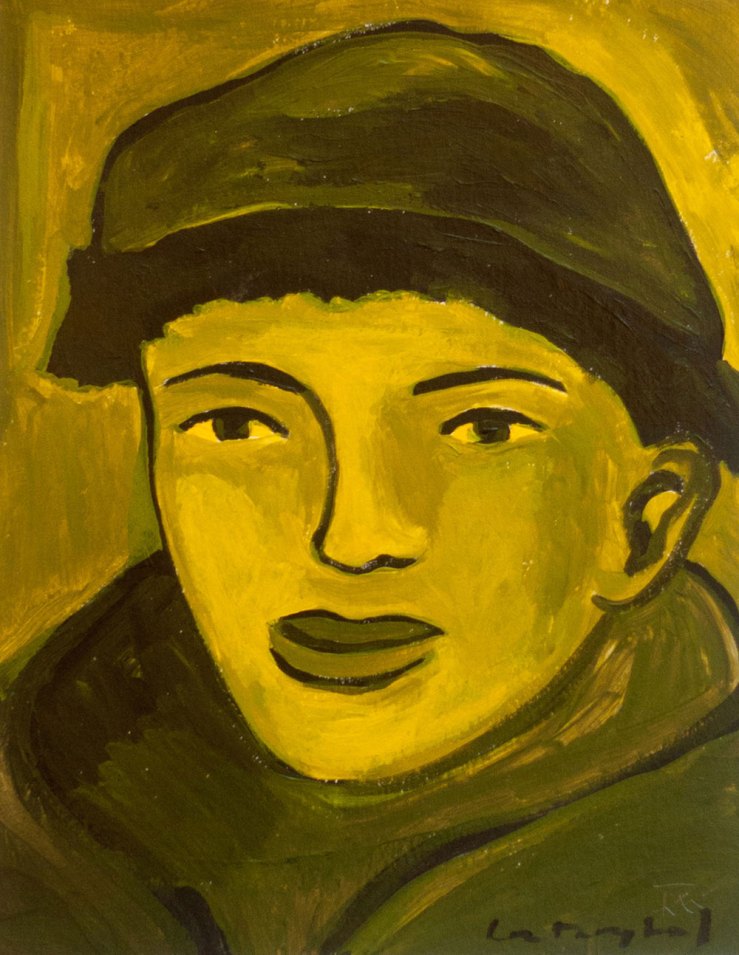
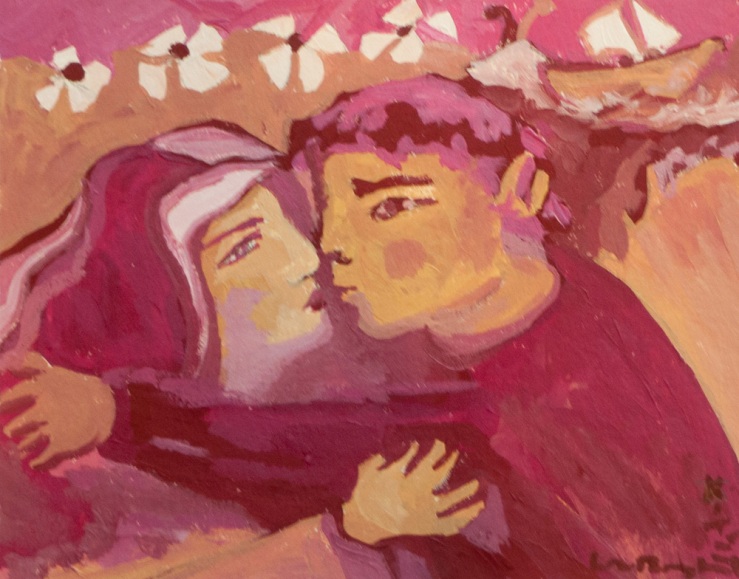
When Lor Roybal‘s big blue van pulls up in front of the gallery, we’re never quite sure what’s in store. She’s a blur of swirling textiles as she bursts through the door with something bright and colorful in tow. Her specialty is portraits, usually of characters from dreams or her vivid imagination. Sometimes she carries a box packed with miniature paintings and other times she holds a large frame in her hands. Once she brought by a loose stack of old sketches and wild free verse poems.

Lor is a familiar face in Santa Fe’s art community, but no one seems to know much about her. She lives somewhere along the Pecos River north of Santa Fe. Her two-room house is off the grid so she heats it using firewood in the winter. Her dog is her closest companion and painting is her favorite pastime. She is a scholar of art history.

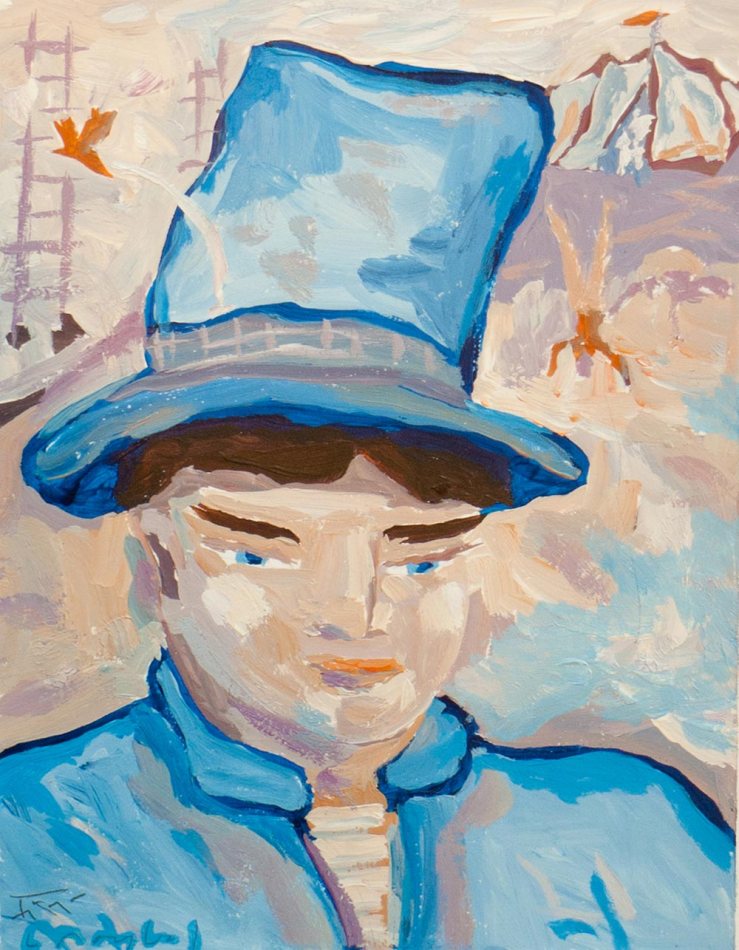
“When I first started showing people my little paintings, I would say, ‘Here’s my treasure chest of gems,'” Lor once told us. There’s definitely something precious about Lor’s colorful faces. Each subject has a name and thorough biography. There are daring circus performers and pensive poets, gossipy grandmothers and mischievous little boys, cherubic elves and long-departed spirits. Some of the figures are intelligent riffs on other artists’ styles, from Picasso to Chagall to Renoir, but all possess a wild twist of Lor’s style.

Lor is now officially part of our stable, and we couldn’t be prouder to represent her. As you’ll see in her latest batch of acrylic paintings on paper, the artist is truly one-of-a-kind. Check out some of the work below, and connect with us on Facebook, Twitter and Pinterest for continued updates.

Lor Roybal- Posi- Matthews Gallery

Lor Roybal, Posi, acrylic on paper

Lor Roybal- Emiles Incredulity- Matthews Gallery blog

Lor Roybal, Emile’s Incredulity, acrylic on paper

Lor Roybal- Stendhals Boat- Matthews Gallery blog

Lor Roybal, Stendhal’s Boat, acrylic on paper

Lor Roybal- Young Clown Lujo- Matthews Gallery blog

Lor Roybal, Young Clown Lujo, acrylic on paper

MEMORY IN BLUE: Jan van Leeuwen

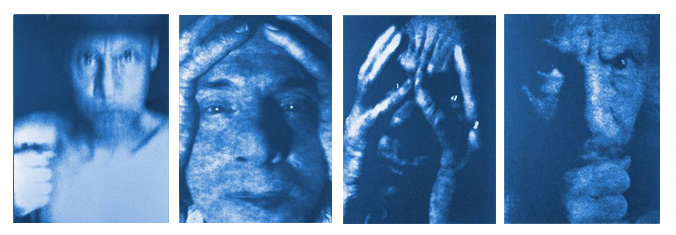
Jan van Leeuwen- Barbed Wire Number 1- Matthews Gallery Blog

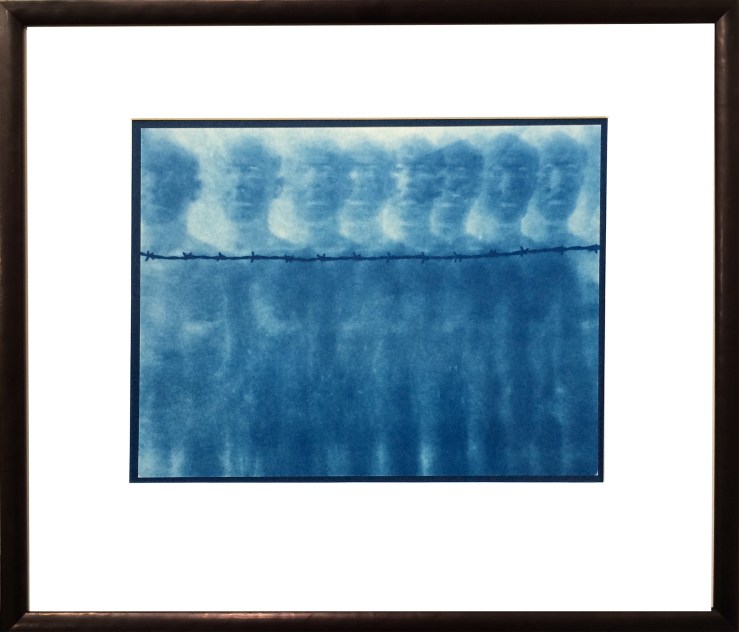
Jan van Leeuwen, Barbed Wire No. 1 (Cyanotype), Matthews Gallery

What color is memory? Is the human soul tinted by life’s great joys and sorrows?

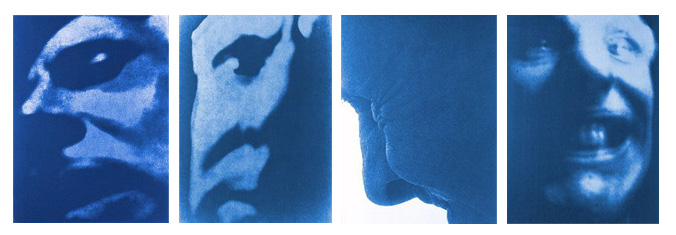
Jan van Leeuwen‘s darkest recollections are a deep blue tide. His self-portraits take shape much like memories do. It’s a long process with details fading in and out of focus, projecting visions of the self that never feel quite complete. It took a lifetime for the photographer to discover his medium, but when he did the images came spilling out.

Jan van Leeuwen- Cyanotype Portraits- Matthews Gallery Blog

Leeuwen was born in Amsterdam in 1932. In 1940, when the artist was 8 years old, the Dutch surrendered to the Nazis and Leeuwen watched as his community fell apart. Jewish neighbors and schoolmates fled or were taken. Over the course of the four-year occupation, the young boy’s confusion turned to anger, frustration and guilt.

Leeuwen’s first career was as a kitchen wares distributor, and he learned how to work a camera by photographing the products. He took his first serious stab at the medium in 1986 when he was in his 50’s, mostly so he’d have something to do when he retired.

Jan Van Leeuwen- Cyanotype Portraits- Matthews Gallery Blog

Drawing inspiration from the innovative spirit of the Dutch Renaissance masters, Leeuwen developed his own method of producing photographs. He uses a 100-year-old wood camera to capture an image on resin-coated paper, creates a negative and then makes a contact print using a UV-B lightbox.

The process of capturing and transferring the images echoes the artist’s struggles with the trauma he experienced in his youth and the impact it has had on his identity. For the cyanotype in our collection, the artist used a long exposure to fracture himself into eight meshed figures. The only thing starker than their furrowed brows is the strand of barbed wire that stands in their way.

Jan Van Leeuwen- Cyanotype Portraits- Matthews Gallery Blog

Leeuwen created Barbed Wire No. 1 in 1993. A year later he quit his job to pursue photography full-time. Since then he’s had a stellar contemporary art career, with shows across the world and artwork in The Photo Review, Art in America and many other publications.

The artist’s success hasn’t dampened the intimacy of his self-portraits, or lightened the burden of his memories. However, Leeuwen reminds us that sadness is accompanied by beauty, and creation always surmounts the pain of destruction.

Learn more about Jan van Leeuwen’s art and life on the Matthews Gallery homepage, and connect with us on Facebook, Twitter and Pinterest for more gallery news.

ONE WORK OF ART: Charles Partridge Adams


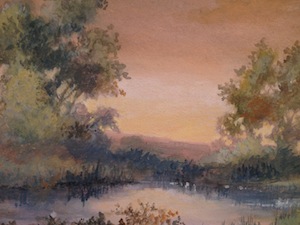
Charles Partridge Adams- Untitled Landscape- Matthews Gallery

When Charles Partridge Adams moved from Vermont to Denver in 1876, it had nothing to do with art. The 18-year-old’s family hoped Colorado’s arid climate could save his sister from tuberculosis. The girl died, but Adams discovered unexpected beauty in the tragic situation.

The teen fell in love with the Rocky Mountains, enrolling in art classes a year after his arrival so he could learn to capture their majesty. It was his first and last formal training. For the rest of his days, Adams developed his skills on intrepid painting expeditions across Colorado and the American West.

Charles Partridge Adams and Alexander Phimister Proctor in Colorado, early 1880s“I saw the Rocky Mountains as I had dreamed of them before I came West,” Adams wrote of a horseback ride in Estes Park in 1881. “Towering above a great valley filled with afternoon mists, their summits glistening with the pure white of winter snows. They formed an entrancing sight that I can never forget.”

Adams started out as a realist, but by the 1890s he was removing details and loosening his brushstrokes. He developed a bright, impressionistic style and took cues from tonalism, carefully detailing the thin mists that cleave to the foothills of the Rockies in the morning and the almost opaque storm clouds that crown their peaks in the afternoon.

The artist’s influences are clear in “Untitled (Landscape)”, a serene watercolor of a still lake under a sunset sky. Splashy clusters of brushstrokes form wild foliage that contrasts with the crystalline water, and the sky above fills the air with a rosy haze. Adams was known for his bold palette, but here he used muted colors in thin layers to mimic the atmospheric effects of dusk. His touch is so delicate that the lightest ribbon of color in the sky isn’t paint but bare white paper.

Charles Partridge Adams- Untitled Landscape Detail- Matthews Gallery“He was… sophisticated in his use of watercolor,” says Thomas Smith, director of the Denver Art Museum’s Petrie Institute of Western American Art, which organized an exhibition of Adams’ work last year. “This was a self-taught artist, but he really grew up and he really taught himself things about the medium.”

“Untitled (Landscape)” may measure just 6 1/2 by 10 1/4 inches, but Adams had the loftiest intentions no matter the size of the paper. “At his best, the landscapist is able through the grandest, as well as the humblest forms of earth and sky and sea, to at least suggest the grandeur, poetry, mystery and beauty of this natural world,” he wrote. It was with these noble ambitions that Adams would become one of Colorado’s most beloved landscape painters of all time.

Come see Charles Partridge Adams’ “Untitled (Landscape)” in our NEW HORIZONS: Focus on Landscapes show. If you’d like to inquire about the piece, don’t hesitate to call the Matthews Gallery at 505-992-2882 or connect with us through Facebook or Twitter.

NEW HORIZONS: Landscape Art Speaks

NEW HORIZONS- Focus on Landscapes- Matthews Gallery

For our NEW HORIZONS: Focus on Landscapes show, running now through October 27, Tesuque sculptor Frank Morbillo‘s latest body of work engages with our diverse collection of contemporary landscape art. Throughout the exhibition, you’ll find observations by Morbillo and seven other artists, many of whom are inspired by the same severe desert expanses and infinite skies. Below is a selection of works and quotes from the show:

Sprung- Frank Morbillo- Matthews Gallery

Kate Rivers- Reflections- Matthews Gallery

PATTERN

Frank Morbillo finds patterns wherever he looks in the natural world.
Kate Rivers uses manufactured patterns to form fractured reflections of nature.

“What’s a pattern? Something that might be predictable. When I observe things, that’s what I see. As an artist, you take all of these different things and see how they work together.”

-Frank Morbillo

 “I’m using this history of text and image as something that is beautiful, and weaving the words together.”

-Kate Rivers

Frank Morbillo- Cool Encounter- Matthews Gallery

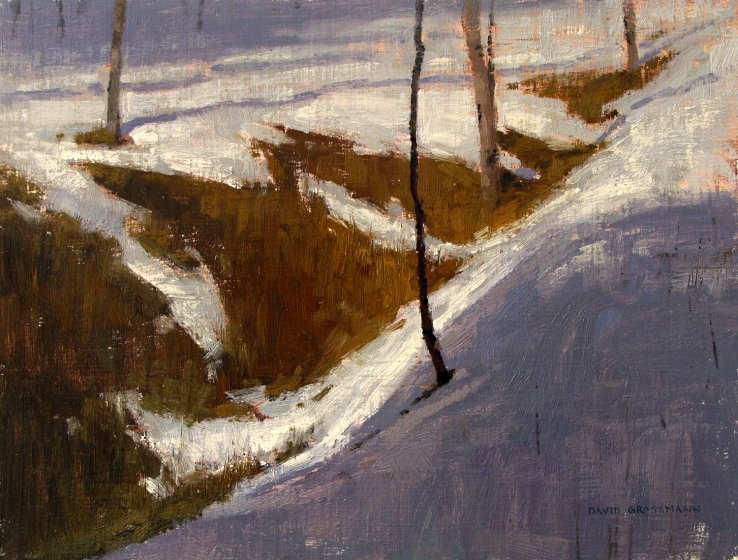
David Grossmann- Snow Rhythms- Matthews Gallery

RHYTHM

David Grossmann abstracts his landscapes to lay bare underlying rhythms.
Frank Morbillo traces the formation and disruption of natural rhythms.

“My paintings… are simplified rhythms of color, light, and shape. On the surface they are quiet whispers, but I hope that they convey a depth of emotion to anyone who takes the time to stop and listen.”

-David Grossmann

“Entropy is the introduction of chaos and disorder. That’s a root of what I’ve done over the years. You take something that could be highly organized, and understand that everything, all things, are subject to entropy. As much as we feel like we’ve created something that defies that, there’s no chance. Everything is subject to it.”

-Frank Morbillo

Frank Morbillo- Unraveling- Matthews Gallery

Terry Craig- Burning Questions- Matthews Gallery

TEXTURE

Terry Craig blends materials to mimic natural textures.
Frank Morbillo places materials with contrasting textures side-by-side.

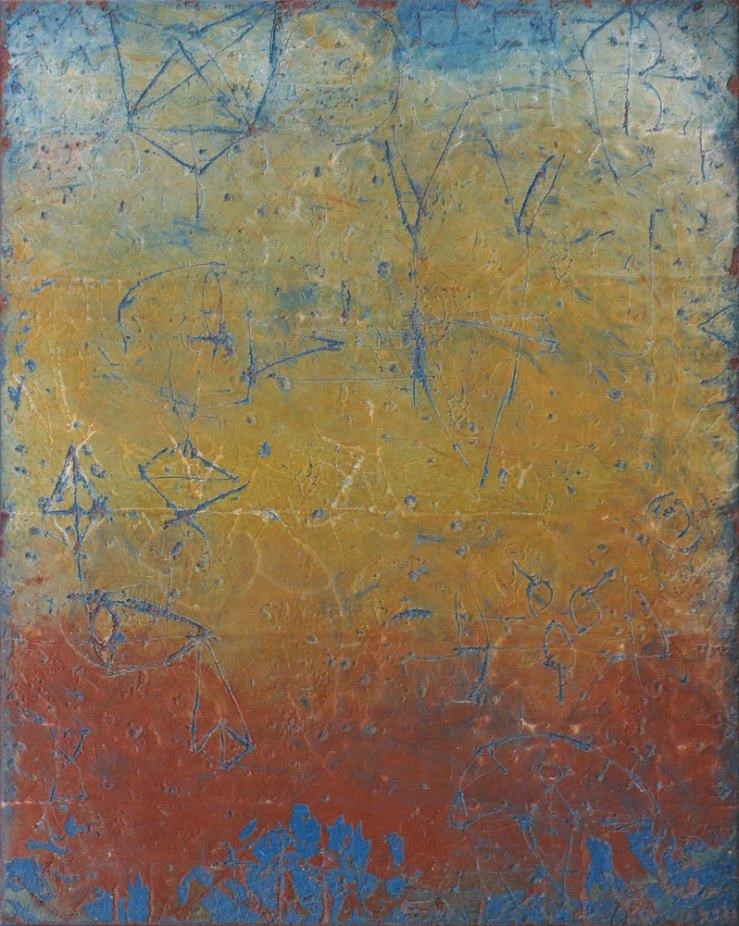
“It took a long time… to develop the formulas and get the materials to do what I wanted them to do. You can scrape into it and get all sorts of these wonderful organic qualities.”
-Terry Craig

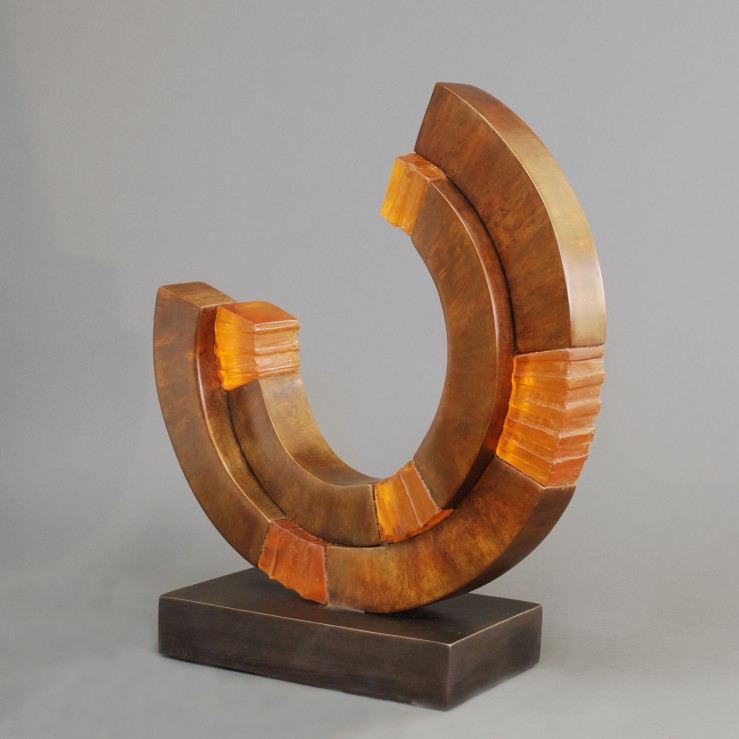
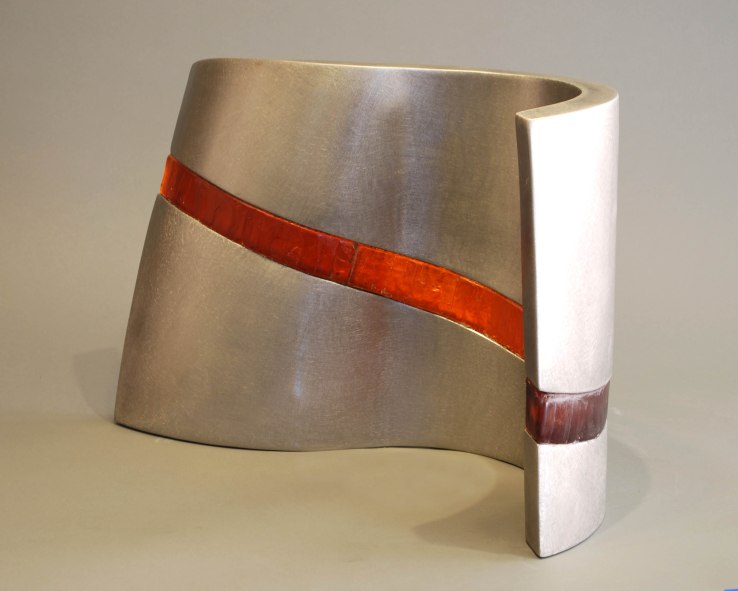
“Glass is a beautiful material that sets up this nice contrast with the metal. If you add texture to it, it takes on a different color. The light behaves differently going through it.”
-Frank Morbillo

Frank Morbillo- Traverse II- Matthews Gallery

Jamie Chase- Two-Horizons- Matthews Gallery

COLOR

Jamie Chase uses multiple layers of paint to reveal and obscure different hues.
Frank Morbillo relies on the properties of glass to enhance his palette.

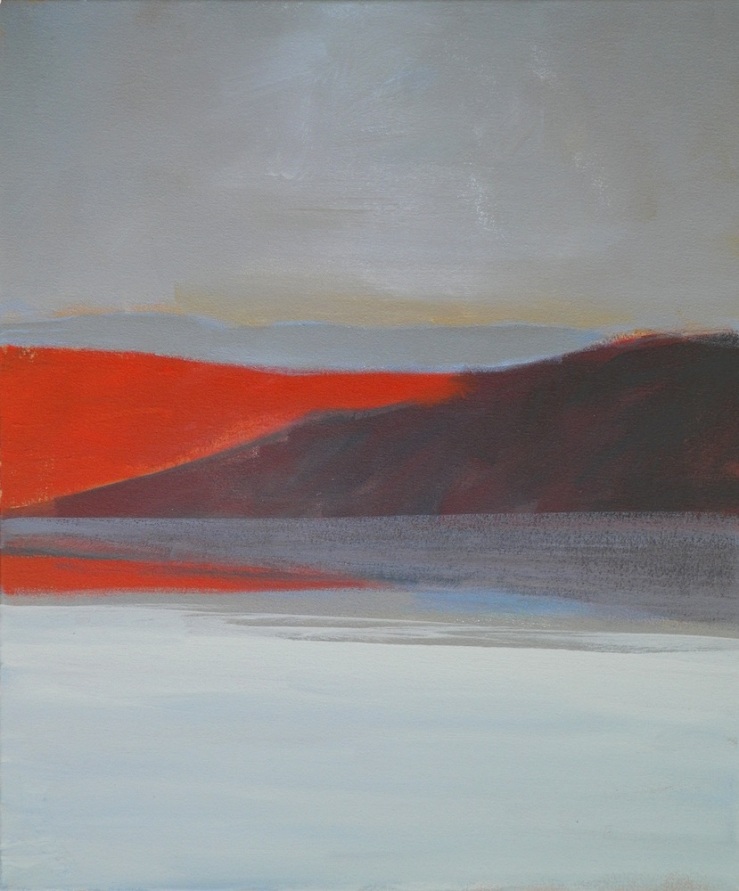
“There are so many narratives underneath the final painting. It starts out as something really dark or really dramatic in contrasting colors, and by the end it’s almost neutral colors, but there’s something moving under the surface.”
-Jamie Chase

“The glass introduced color into the work that really isn’t achievable in metal. The cobalt blues and reds and ambers have a quality that you can’t get with any of the metals.”
-Frank Morbillo

See NEW HORIZONS: Focus on Landscapes now through October 27 at Matthews Gallery. Connect with us on Facebook, Twitter and Pinterest to see more material from the show.

ERIC’S WORLD: Breaking Through with Light

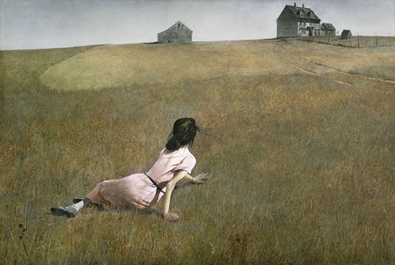
Andrew Wyeth- Christina's World- Matthews Gallery blog
Christina’s World, Andrew Wyeth

One of our Facebook fans recently drew a line between our artist Eric G. Thompson and revered American realist painter Andrew Wyeth.  That’s a common observation among visitors to the Matthews Gallery: both artists have muted palettes, a reverence for the even glow of the early morning and late afternoon sun, and, of course, a keen eye for the smallest of details.

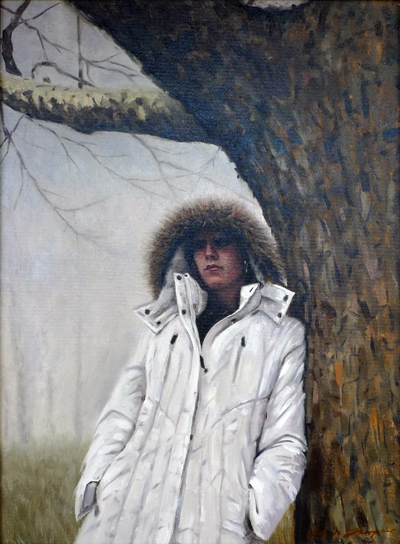
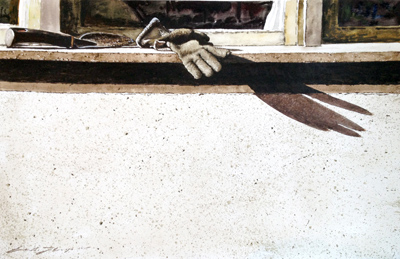
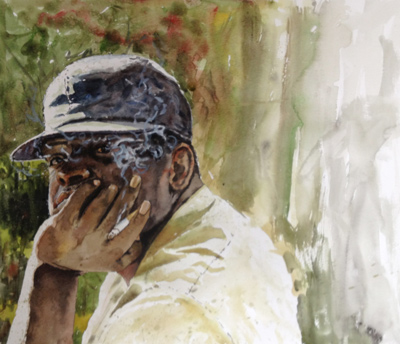
Perhaps the element that best ties the two men together is their approach to the portrait. Their subjects stare pensively into the distance, lost in bittersweet memories as they lounge about in windswept landscapes. You can enter Eric’s Wyethian worlds this Friday from 5-7 pm at the opening for his new show “Breaking Through with Light“. Scroll down for a preview of the works in the exhibition, with accompanying quotes by Thompson and Wyeth:

Autumn Solace, Eric G. Thompson, Matthews Gallery
Autumn Solace, Eric G. Thompson

“As a child, I would search out a patch of light entering the room and sit there forever in total bliss”

-Eric G. Thompson

Lunch Break, Eric G. Thompson, Matthews Gallery

Lunch Break, Eric G. Thompson

“It’s a moment that I’m after, a fleeting moment, but not a frozen moment.”

-Andrew Wyeth

Pondering, Eric G. Thompson, Matthews Gallery
Pondering, Eric G. Thompson

 “In a world of pop culture that seems to be anti-silence, people seek the stillness they need without even realizing it.”

-Eric G. Thompson

Shadow Play, Eric G. Thompson, Matthews Gallery
Shadow Play, Eric G. Thompson

“I search for the realness, the real feeling of a subject, all the texture around it… I always want to see the third dimension of something… I want to come alive with the object.”

-Andrew Wyeth

Evan, Eric G. Thompson, Matthews Gallery
Evan, Eric G. Thompson

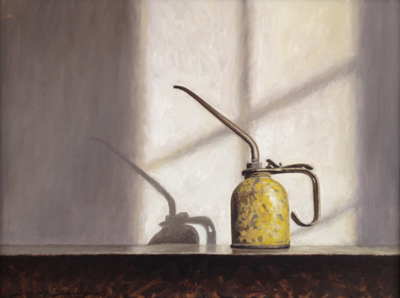
“I feel that every one of my paintings is essentially a study of light or lack thereof—light coming into a room, light hitting an object, stretching a shadow, lighting an edge. All of this can be very powerful and moving in a painting,”

-Eric G. Thompson

Learn more about Eric G. Thompson’s “Breaking Through with Light” here, and connect with us on Facebook, Twitter and Pinterest for updates on his show.